Virtual Reality Durban Logo

3D rendering and modeling have reshaped the landscape of design and engineering by enabling precise and innovative visualizations. These technologies are extensively applied in fields such as architecture, interior design, product development, and automotive design, allowing professionals to develop and perfect concepts with exceptional detail. At Virtual Reality South Africa, our suite of 3D rendering services spans virtual reality, metaverse development, augmented reality, business presentations, and property design. By delivering photorealistic visuals, we empower clients to gain a deep understanding of their projects, making it easier to make well-informed decisions while leaving a memorable impact.

Understanding 3D Rendering

What is 3D Rendering?

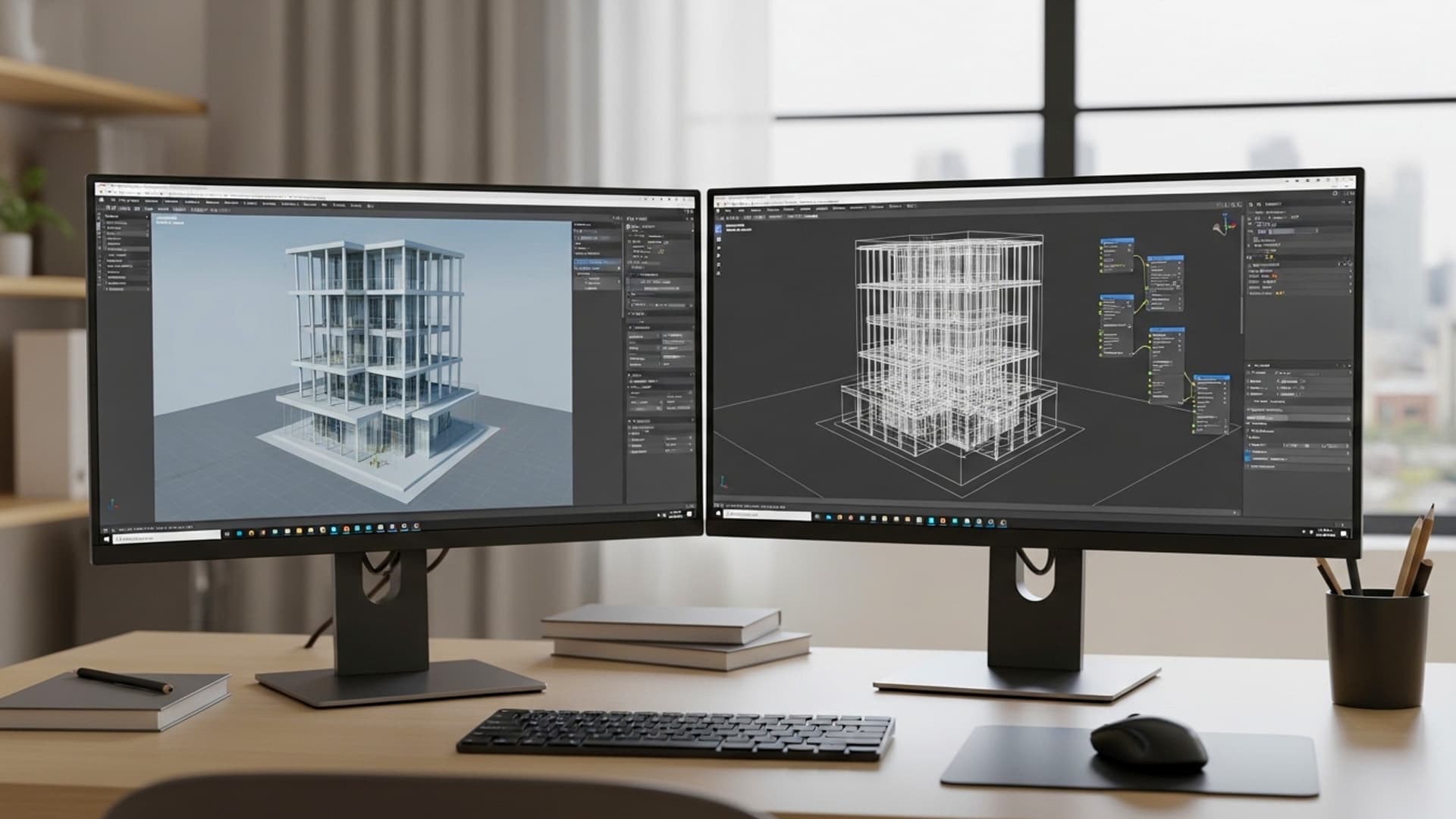
3D rendering involves generating lifelike images or animations from digital 3D models using sophisticated computer software. This process replicates real-world factors—such as lighting, textures, materials, and camera perspectives—to transform abstract ideas into detailed, realistic visuals. Essentially, it acts as a critical link between conceptual design and the final product, offering an accurate glimpse into how a design will manifest once completed, and enhancing creative visualization potential.

Applications Across Industries

Industries including architecture, interior design, product development, and entertainment rely on 3D rendering. Architects leverage this technology to present realistic designs of structures, while interior designers and developers use it to visualize spaces and products prior to construction. Additionally, digital artists depend on 3D rendering to produce high-quality assets for films, games, and virtual reality experiences. This visual tool not only enhances communication but also facilitates decision-making and brings creative visions to life.

Specialized Areas in 3D Rendering


Product 3D Rendering

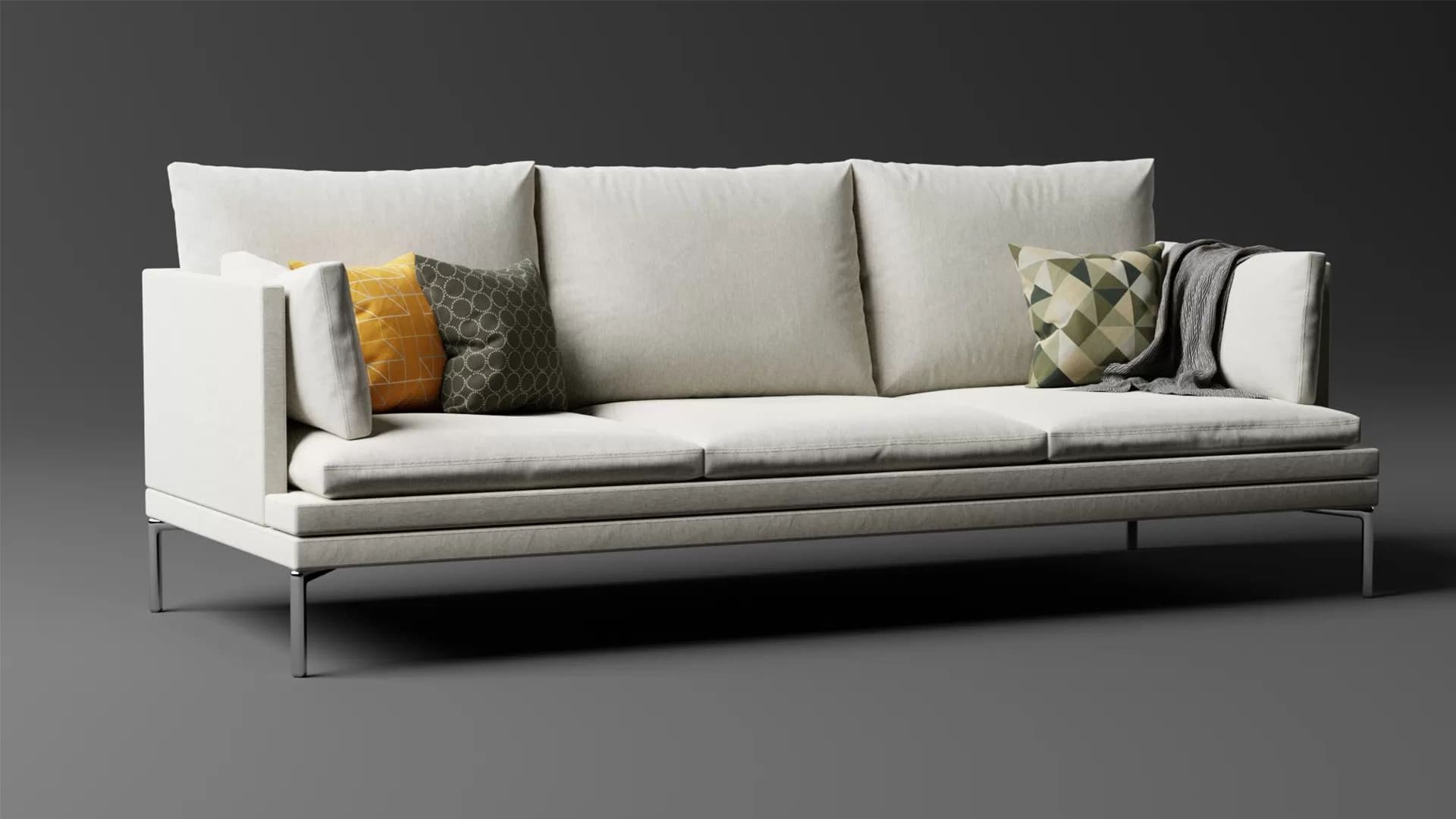
In product design, 3D rendering offers limitless creative opportunities. Designers can generate intricate product models and immersive environments, with complete freedom to adjust every element—from backgrounds to textures—to match their vision precisely. This groundbreaking innovation enhances efficiency, drives consumer engagement, and sets new standards in visual storytelling. Its flexibility fosters rapid prototyping, seamless iterations, and vivid brand experiences, unlocking market potential. Additionally, it streamlines team collaboration and accelerates the transformation of abstract ideas into captivating, market-ready products.


Architectural Visualization

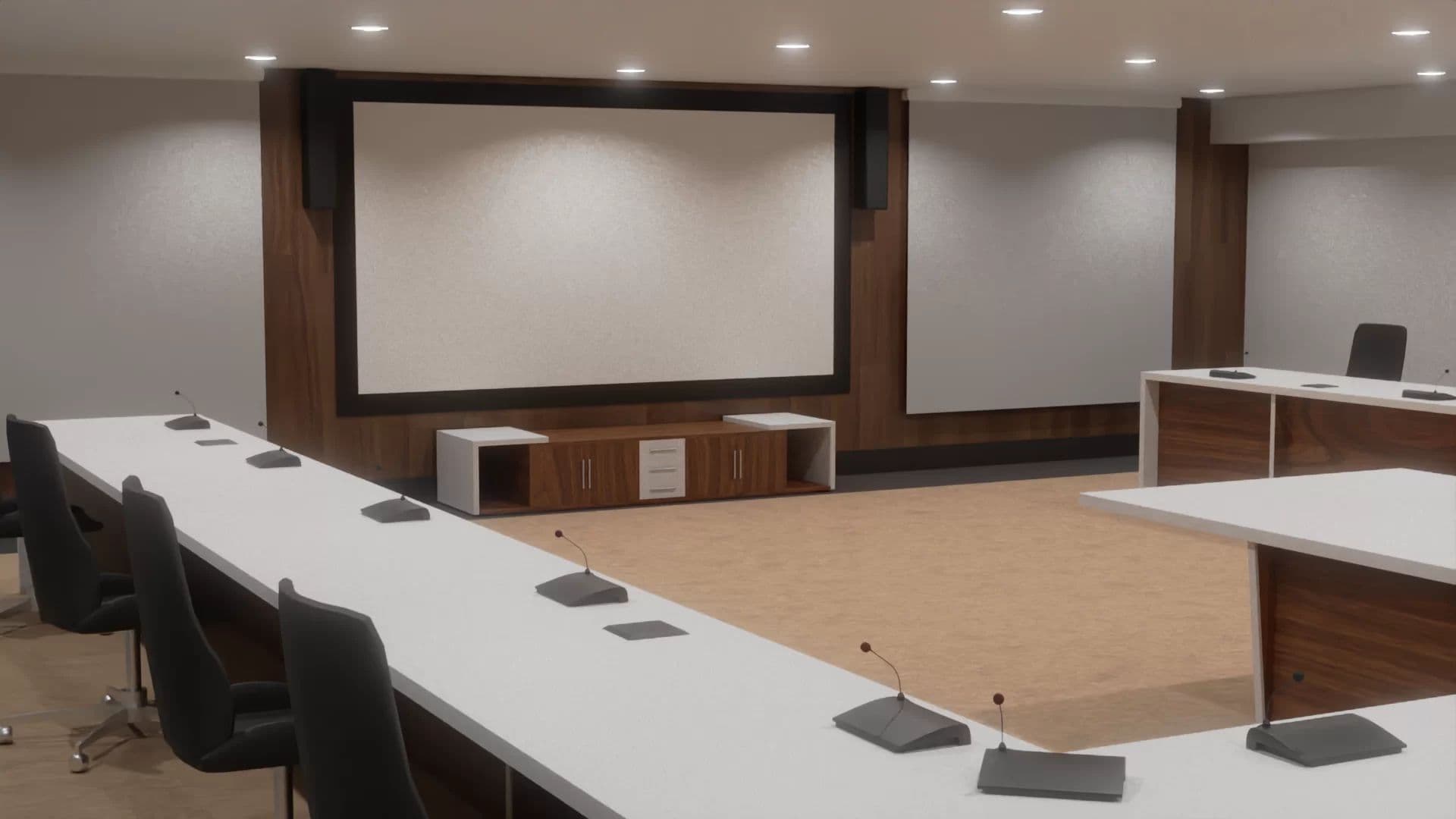
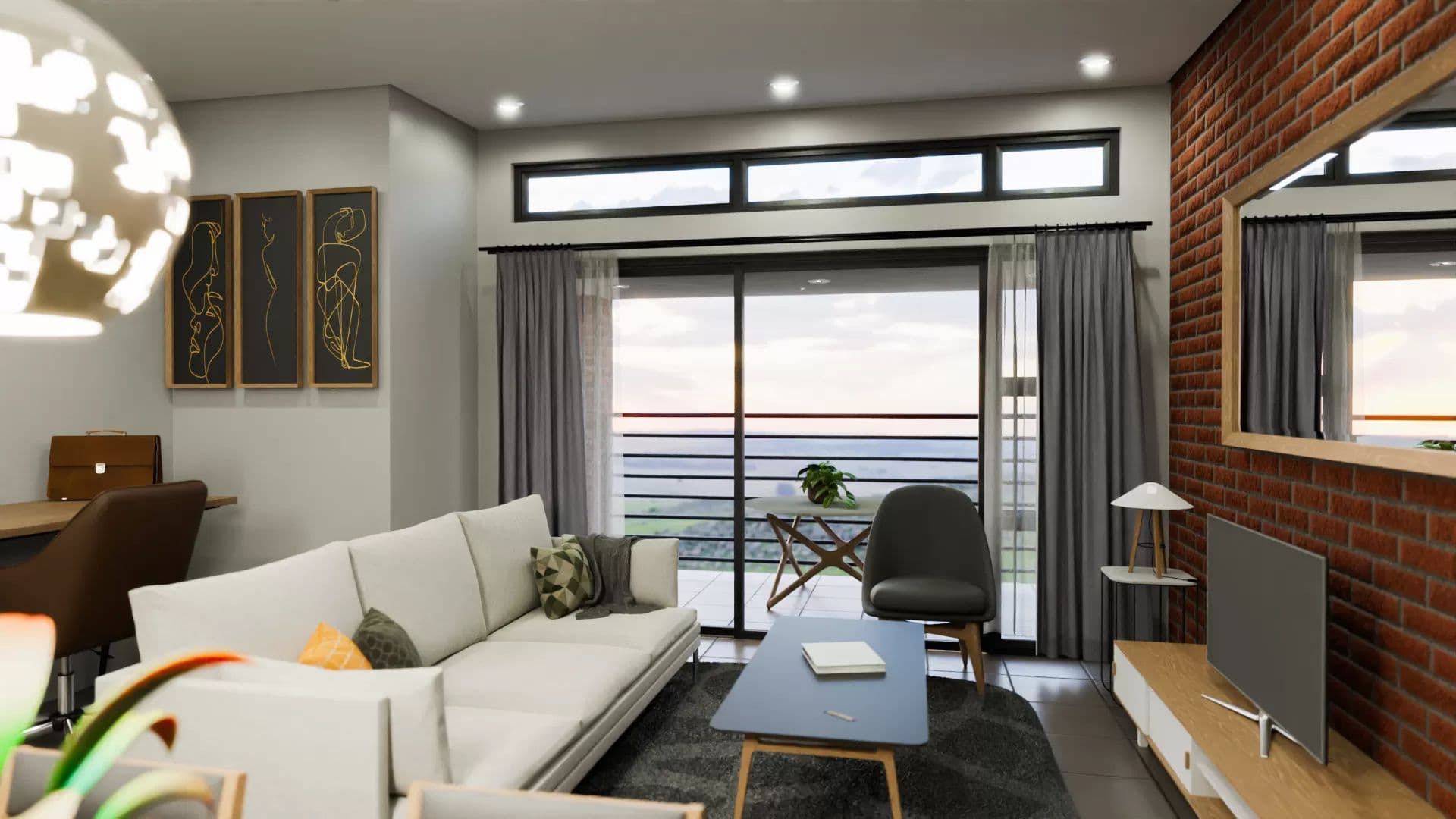
When traditional 2D drawings fall short, 3D rendering provides a full, realistic view of architectural spaces. By converting flat plans into detailed 3D images, designers help clients fully grasp a project’s spatial dynamics. This not only aids understanding but also streamlines decision-making and project approvals, underscoring the essential role of 3D rendering in modern architectural projects. It facilitates rapid design iterations and realistic material simulations, further empowering innovative, client-centered decisions. Additionally, visualization fosters collaboration among architects, engineers, and stakeholders, reducing miscommunication and capturing every nuance.

Six Degrees of Freedom (6DoF)

Advanced virtual reality systems use 6DoF to track a user’s movement in all directions—forward, backward, up, down, left, right—and rotationally. This capability allows for natural and immersive interaction within virtual environments, making high-performance VR systems capable of rendering photorealistic details and complex visuals. Additionally, this precise tracking deepens immersion by seamlessly incorporating real-world motion into digital experiences, transforming gameplay and simulations into lifelike, boundary-pushing encounters. 6DoF technology empowers users to explore virtual worlds with unprecedented fluidity, offering an intuitive interface that mirrors real-life spatial awareness. Its applications extend beyond entertainment, enhancing training, education, and healthcare by providing realistic simulations that improve learning outcomes and decision-making under pressure. As sensor and processing technologies continue to evolve, 6DoF is revolutionizing the creation and consumption of digital content, paving the way for innovative interactive storytelling and dynamic mixed reality experiences that merge virtual and physical worlds seamlessly. Ongoing advancements in haptic feedback and machine learning integration are set to enrich these systems even further, enabling adaptive environments that intuitively respond to user actions and preferences, thereby elevating the overall immersive experience.

Three Degrees of Freedom (3DoF)

Many VR applications operate on 3DoF, tracking only the rotational movements (yaw, pitch, and roll), which, although limiting physical translation (movement in space), still permits users to explore immersive 360-degree environments that captivate the imagination and evoke a strong sense of presence. The technology precisely captures the viewer’s head orientation, ensuring that even without full positional tracking, the experience remains fluid and engaging, while high-quality 3D rendering is crucial for crafting virtual worlds that are visually impressive, richly detailed, and meticulously designed to sustain immersive narratives. The efficiency of 3DoF systems allows developers to optimize performance across a wide range of hardware, making immersive VR experiences more accessible to a broader audience by focusing on streamlined design and robust rendering techniques that serve as excellent entry points into the realm of virtual reality. Ongoing advancements in sensor technology and rendering software continually enhance the potential of 3DoF applications, with innovative integration of immersive audio cues and responsive visual feedback compensating for the absence of full spatial tracking, ultimately ensuring that even within its inherent limitations, 3DoF remains a vital and transformative technology in creating engaging, memorable, and technically advanced virtual reality experiences that push the boundaries of digital interactivity.

Metaverse Development

The metaverse is a digital universe where users can interact, create, and explore a shared virtual space. Developing this expansive environment requires incorporating a broad range of elements—from architectural structures like buildings and skyscrapers to personalized items such as clothing and accessories for avatars. Achieving realism and functionality in the metaverse demands precise design and rendering, blending artistic vision with technical skill. As this digital universe evolves, the opportunities for creative expression and customization continue to expand, opening new avenues for social interaction, commerce, and education. The integration of advanced technologies like virtual and augmented reality further enhances these experiences, allowing users to immerse themselves in increasingly dynamic and interconnected virtual landscapes.

3D Modeling Techniques — VRE

Diving into 3D Modeling Techniques

3D Modeling is the art of constructing digital three-dimensional representations of objects or environments, enabling realistic visualization and creative exploration before any physical production begins.

Hard Surface Modeling

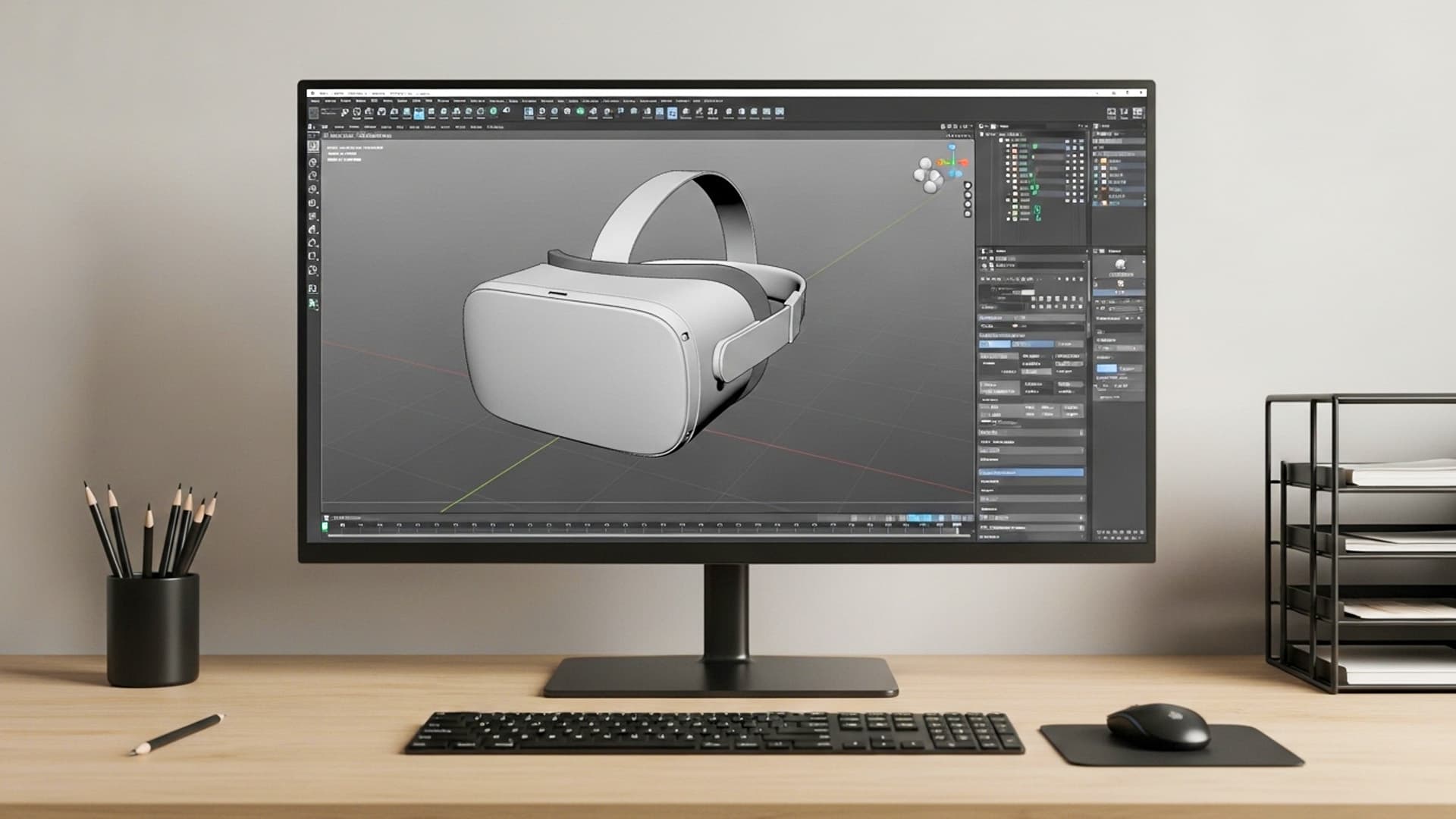
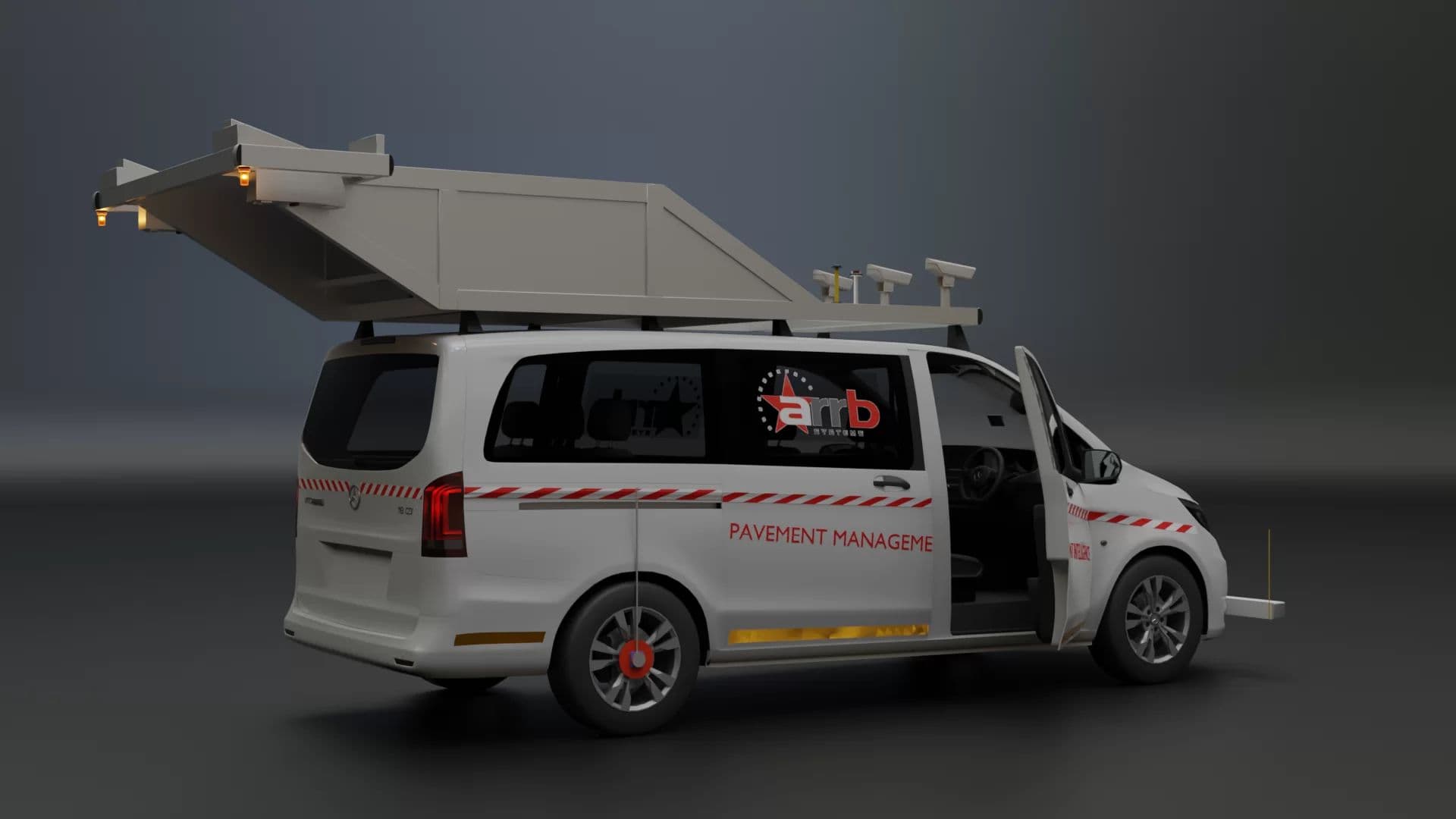
Hard surface modeling focuses on crafting non-deformable objects, typically man-made items such as machinery, vehicles, and architectural features...

Integrating 3D Modeling in Today’s Digital Landscape

Combining these diverse modeling techniques—hard surface, organic, character, and soft-body—allows artists to build intricate digital models from a basic mesh and progressively refine them with detailed textures, lighting, and effects. This evolution in technology has significantly impacted industries such as film, gaming, architecture, engineering, and product design. At Virtual Reality Durban, we harness these advanced methods to deliver realistic visualizations that empower businesses to integrate cutting-edge 3D modeling into their projects. Contact us to explore how these transformative technologies can elevate your next venture.

SOME OF OUR 3D MODEL RENDERS