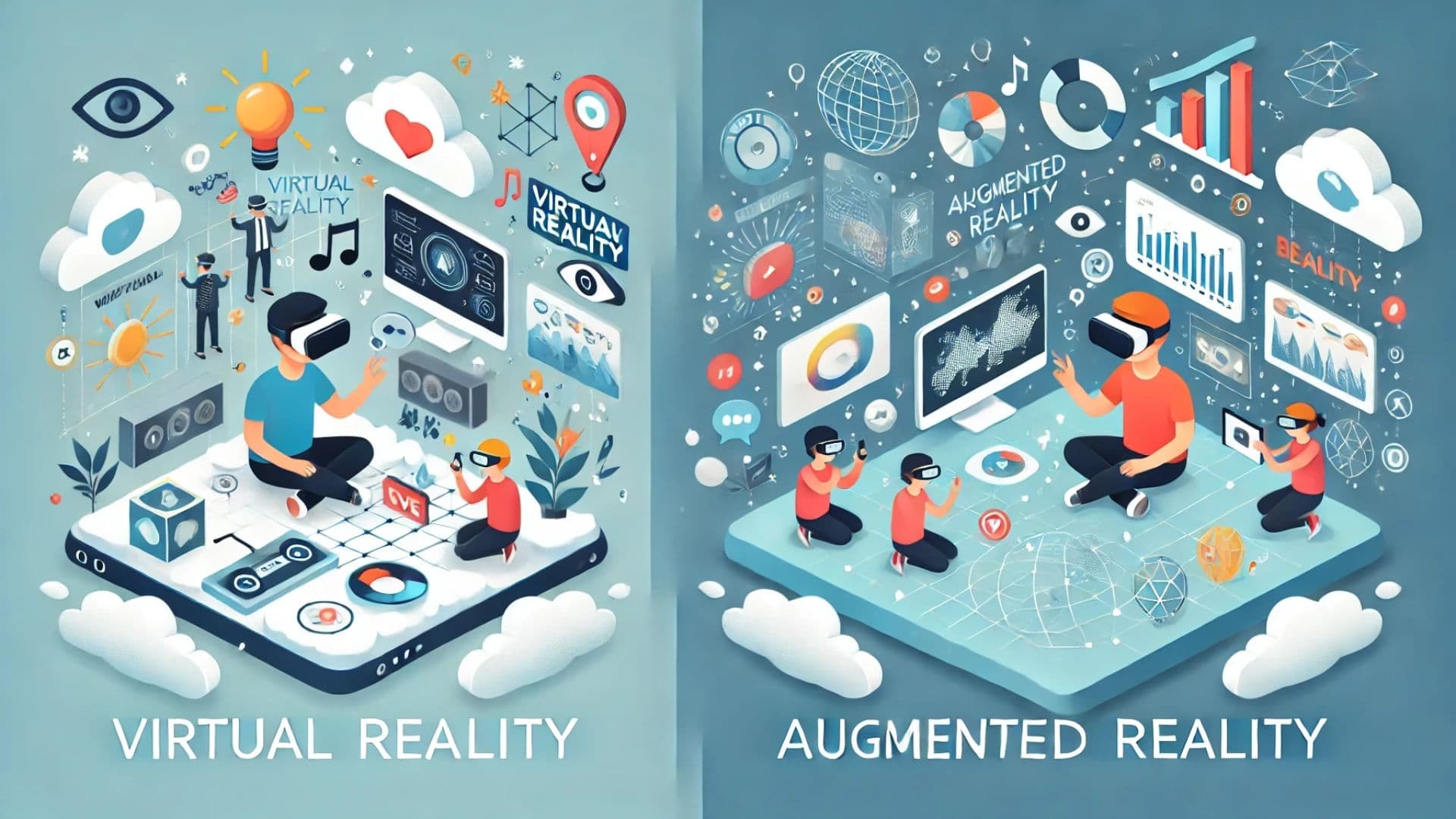
Augmented Reality vs. Virtual Reality
Augmented Reality (AR) and Virtual Reality (VR) are two transformative technologies that are revolutionizing the way we interact with digital...
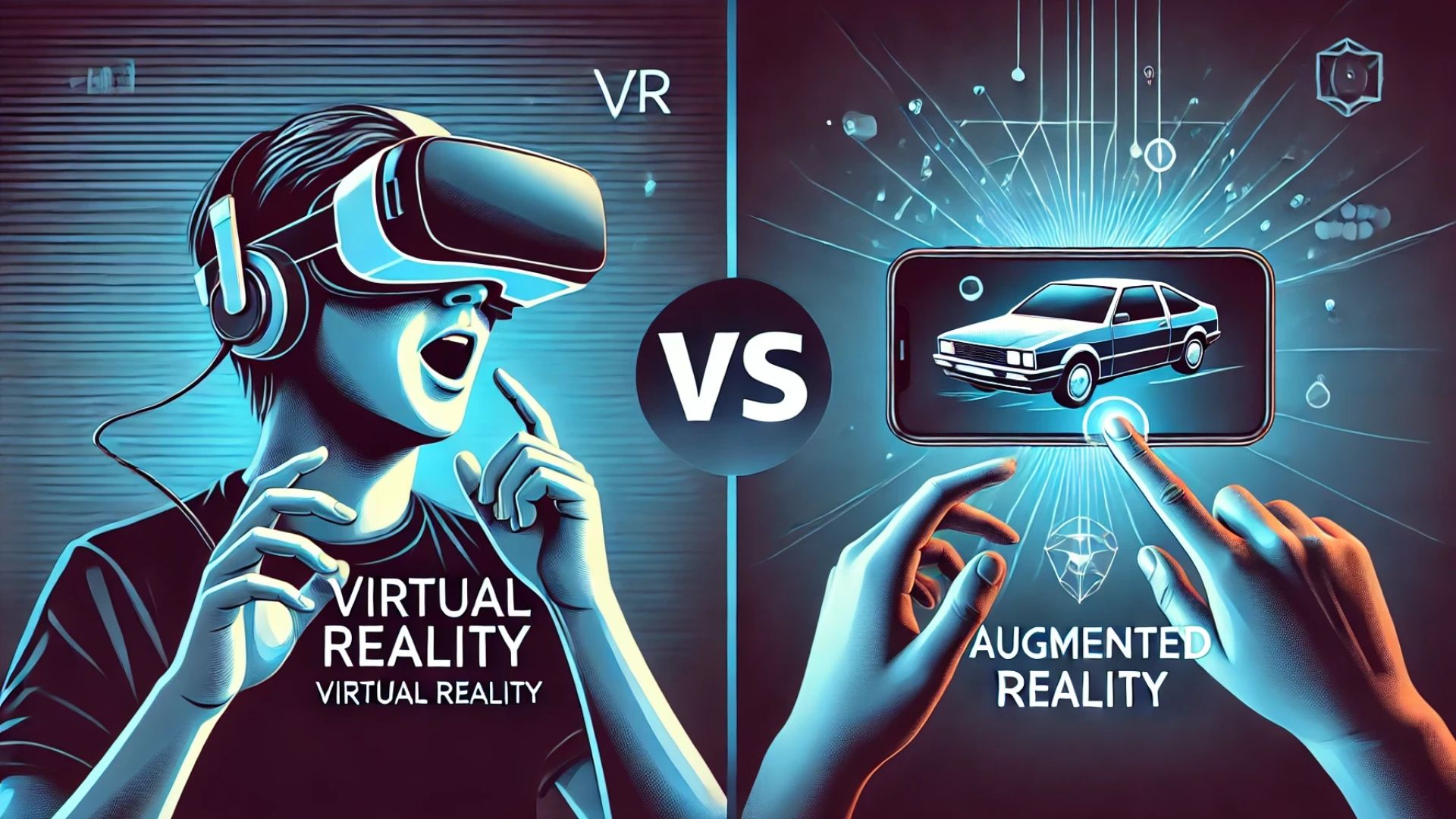
Augmented Reality (AR) and Virtual Reality (VR) are two transformative technologies that are revolutionizing the way we interact with digital content and the physical world. AR enhances the real world by overlaying digital information, while VR creates a completely immersive digital environment. Both technologies have unique applications and offer vast potential for future development. In this blog, we will compare and contrast AR and VR, delve into their distinct applications, and explore their potential for future growth.
Understanding Augmented Reality (AR)
Definition and Key Features
Augmented Reality (AR) is a technology that overlays digital information—such as images, videos, and sounds—onto the real world, enhancing the user's perception of their environment. AR integrates and adds value to the physical world, creating an enriched user experience that combines real and virtual elements.
How AR Works
AR works by using sensors, cameras, and specialized software to detect and analyze the user's surroundings. It then superimposes digital content onto the real-world view. This is typically achieved through devices like smartphones, tablets, and AR glasses.
Examples of AR Technologies
Current Applications of AR

Exploring the future of manufacturing through augmented reality
Understanding Virtual Reality (VR)
Definition and Key Features
Virtual Reality (VR) is a technology that creates a completely immersive digital environment, isolating the user from the real world. VR transports users to a virtual space where they can interact with 3D objects and environments, providing a sense of presence and immersion.
How VR Works
VR works by using VR headsets equipped with screens, sensors, and sometimes haptic feedback devices. These headsets track the user's movements and adjust the virtual environment accordingly, creating an immersive experience.
Examples of VR Technologies
Current Applications of VR
Comparing AR and VR
Key Differences
Pros and Cons of AR
Pros and Cons of VR
Unique Applications and Use Cases
AR in Real-World Applications
VR in Immersive Experiences
Challenges and Limitations
Technical Challenges
User Adoption and Acceptance
Cost and Accessibility
Future Development and Potential
Innovations on the Horizon
Predictions for AR
Predictions for VR
The Potential Impact on Various Industries
Augmented Reality (AR) and Virtual Reality (VR) are powerful technologies that offer distinct and complementary experiences. AR enhances our real-world environment with digital overlays, making it useful for practical applications in various fields. VR, on the other hand, provides immersive digital experiences, ideal for gaming, training, and entertainment. While both technologies face challenges in terms of technical limitations and user adoption, their potential for future development is vast. As AR and VR continue to evolve, they will undoubtedly reshape industries and revolutionize the way we interact with both the digital and physical worlds.
Author: Elisha Roodt
Sharing the best of Virtual Reality Durban with local VR experiences, events, and immersive tech insights from Durban and KwaZulu-Natal.