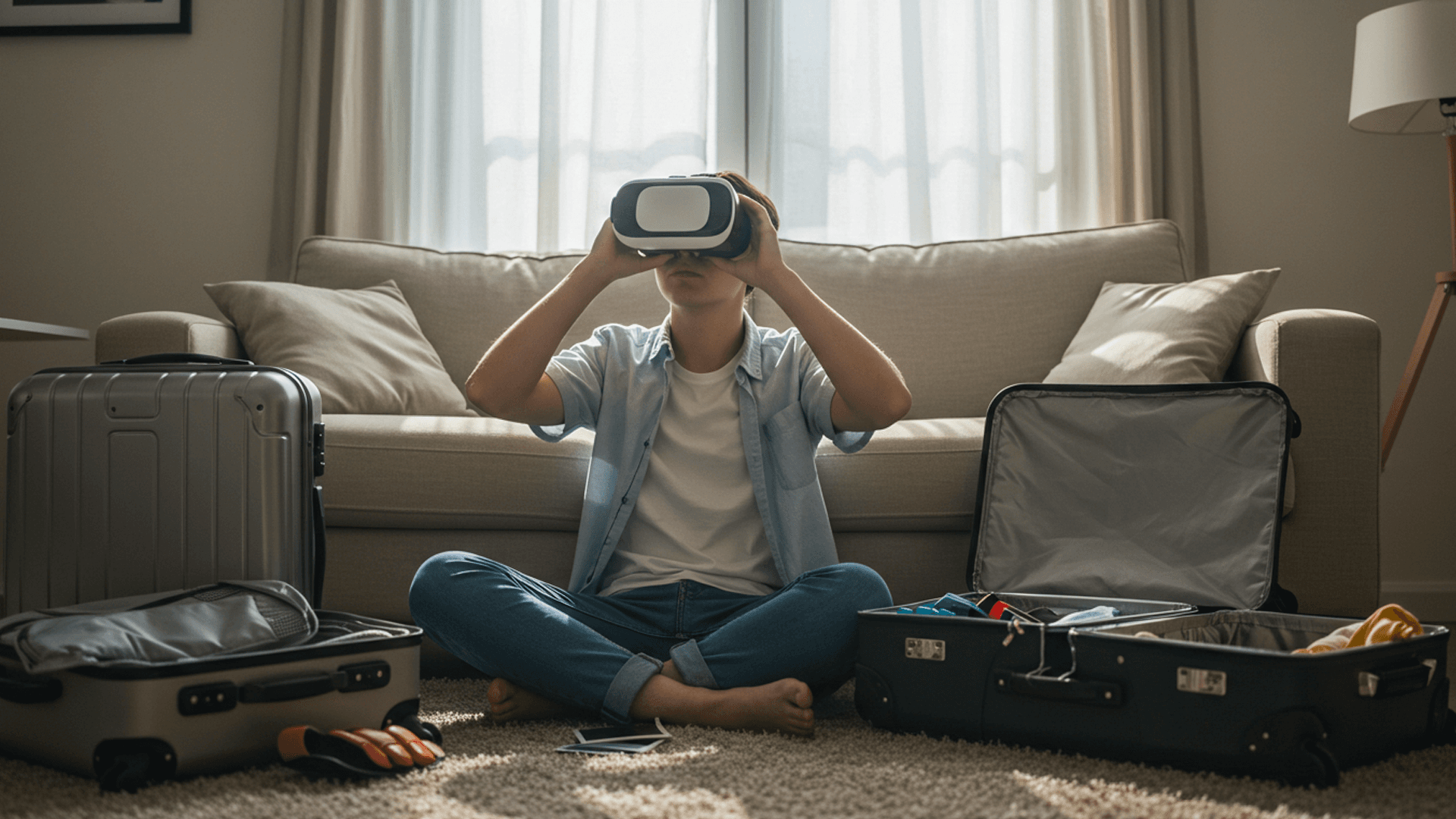
Travel Without Leaving Home
A Glimpse into Virtual Journeys Imagine standing on Durban’s Golden Mile, the ocean breeze caressing your face, yet you never left your couch...
A Glimpse into Virtual Journeys
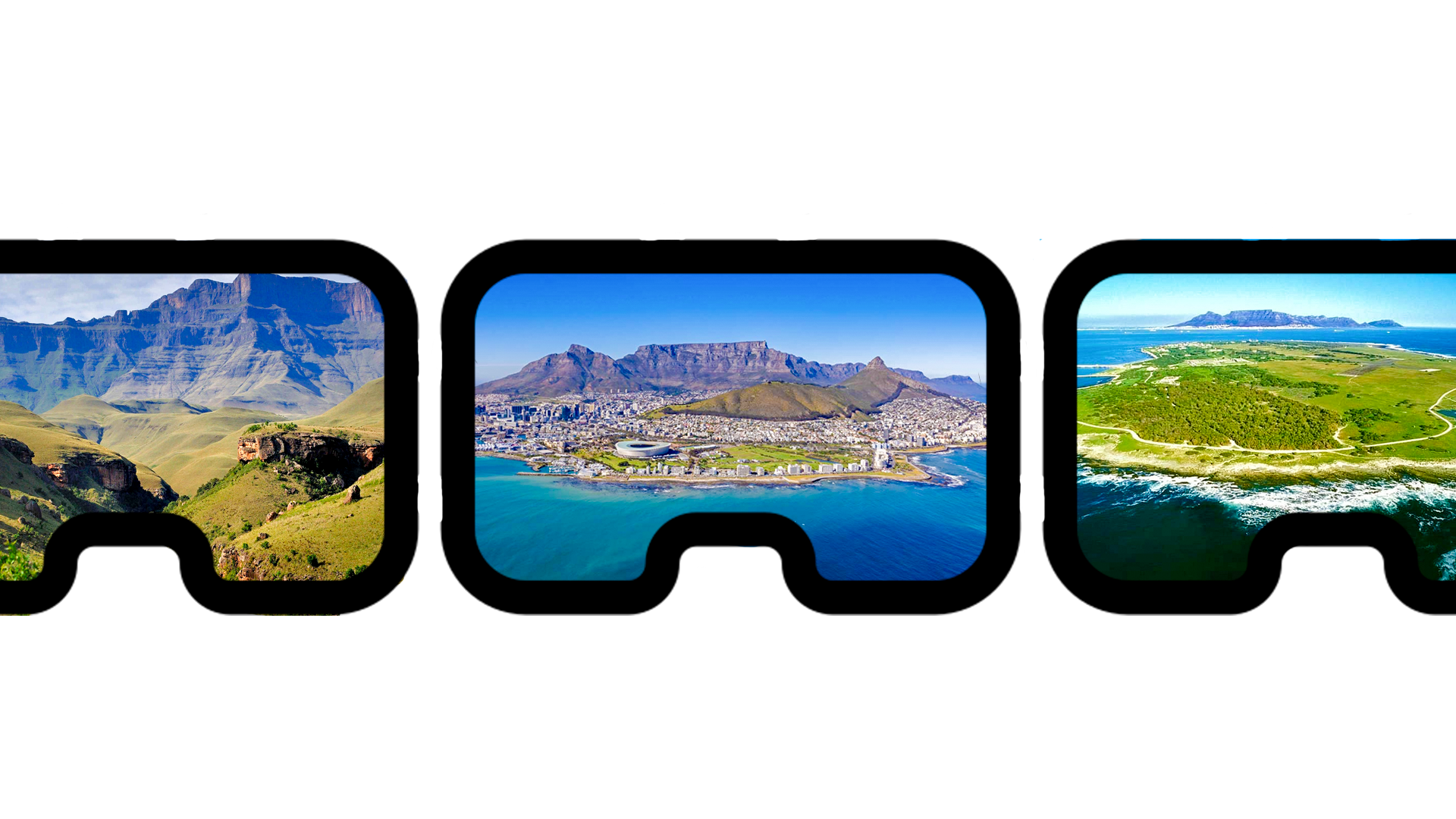
Imagine standing on Durban’s Golden Mile, the ocean breeze caressing your face, yet you never left your couch. This is no mirage but the dawn of VR tourism—an arena where technology dissolves geographic boundaries and transports individuals into new realms of discovery. By donning a headset, one can traverse Table Mountain’s peaks, roam Robben Island’s historical corridors, or witness the Drakensberg’s grandeur, all without packing a suitcase. This narrative explores how immersive technology is reshaping tourism, illustrating its cultural, experiential, and commercial ramifications, particularly for South Africa’s diverse landscape. Through metaphors, anecdotes, and technical clarity, we’ll uncover how VR travel is rewriting the rules of exploration.
Redefining Exploration Through Virtual Portals
From Static Brochures to Interactive Storyworlds
Travel brochures once relied on static imagery and flowery descriptions to spark wanderlust, but VR transforms that spark into a flame of lived sensation. Instead of flipping through glossy pages, travelers can step into a three-dimensional replica of the Durban promenade or glide through a digital safari where elephants cross your path. This interactivity creates emotional resonance, fostering a deeper connection with destinations. Much like the difference between hearing a story and inhabiting its narrative, VR turns potential visitors into active participants in a destination’s unfolding drama.
Consider a prospective tourist evaluating whether to visit South Africa. A brochure may persuade intellectually, but a VR journey across the Cape Winelands persuades viscerally. With vineyards stretching in all directions and the soft hum of harvesters nearby, the decision to book becomes intuitive rather than rational. VR tourism is more than marketing—it is experiential sampling, the equivalent of tasting a vintage before purchasing the bottle. The result is not mere interest but intent, a conversion tool that turns curiosity into commitment.
Hypothetical Scenarios as Travel Teasers
Picture a family in Berlin deliberating their next holiday. Instead of scrolling through online reviews, they launch a VR tour of Durban’s beachfront. The children laugh as digital seagulls swoop overhead while parents marvel at uShaka Marine World’s underwater tunnels. This hypothetical scenario illustrates VR’s power to reduce decision-making friction. The family doesn’t need convincing—they’ve already emotionally arrived. In essence, VR acts as a teleportation device, collapsing uncertainty into conviction through sensory immersion.
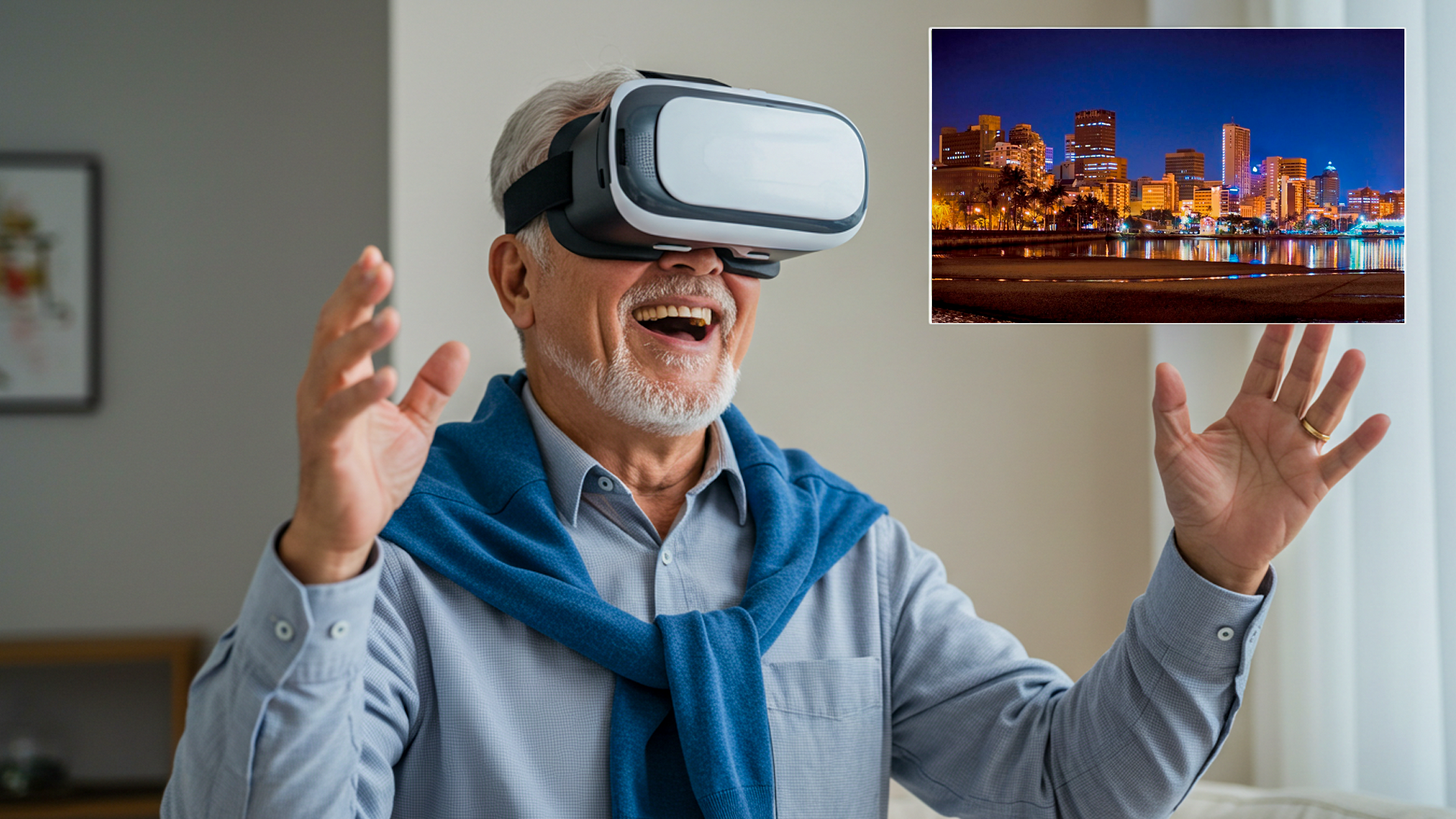
Now imagine a retiree in Toronto who dreams of revisiting South Africa but is restricted by health concerns. VR provides a dignified alternative, enabling him to wander Kirstenbosch Gardens or revisit Stellenbosch without physical strain. In this way, VR expands accessibility, ensuring that travel experiences are not the exclusive privilege of the mobile. The metaphorical travel portal opens not only for those with plane tickets but also for those whose journeys exist in the liminal space between memory and desire.
Analogy of the Digital Passport
Think of VR as a new form of passport—not a booklet stamped with ink, but a digital key granting entry to parallel realities. Each virtual journey is akin to collecting stamps in invisible ink, experiences that live not in physical pages but in neural imprints. The tourist still accumulates memories, but these memories are augmented by the surreal nature of their medium. Just as a passport validates international mobility, VR validates experiential mobility, making travel a state of perception rather than logistics.
While skeptics may dismiss VR travel as counterfeit tourism, the analogy reframes it: a digital passport doesn’t replace the physical but supplements it. A person who virtually ascends Table Mountain is more likely to crave the real ascent. In marketing psychology, this is known as the “trial effect”—once people taste an experience virtually, the appetite for reality intensifies. Thus, VR is not the death of traditional tourism but its ally, acting as a springboard that propels individuals from the virtual into the physical world.
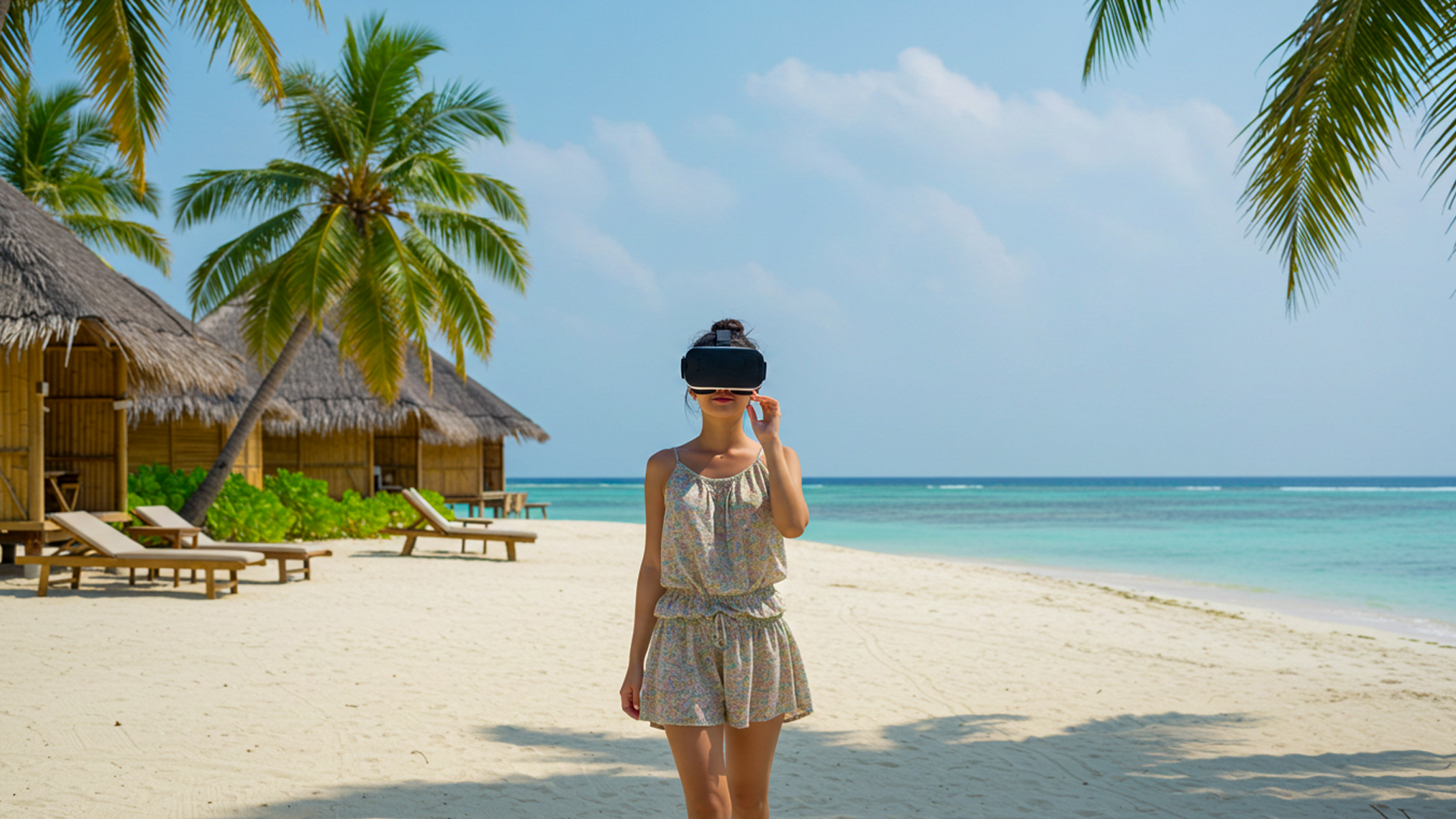
Virtual Durban: A Case Study of Coastal Immersion
Golden Mile in 360 Degrees
The Golden Mile is more than sand and surf; it is a cultural artery pulsating with joggers, street performers, and families savoring ice cream under the African sun. Through VR, this mosaic becomes accessible globally. A 360-degree capture allows one to swivel their head and absorb not only the horizon but also the subtleties—a fisherman adjusting his net, a vendor’s melodic sales pitch, the kinetic energy of skateboarders weaving through pedestrians. The difference between a photograph and VR is the difference between watching waves and feeling enveloped by them.
This immersion changes perception. A potential traveler no longer interprets Durban abstractly but experiences it concretely. The hum of the city, the shifting shades of twilight, and the crowd dynamics create an authentic snapshot. It is akin to listening to a symphony versus standing in the orchestra pit as each instrument resonates around you. By embedding sensory realism into virtual tours, Durban transcends marketing and becomes a living invitation.
The Blend of Heritage and Modernity
Durban is a confluence of Zulu traditions, colonial architecture, and contemporary commerce. A VR experience can juxtapose these narratives, guiding the viewer from the Victoria Street Market’s spice-scented alleys to the sleek lines of the Moses Mabhida Stadium. This juxtaposition tells a layered story—an anthology of eras coexisting in urban form. Such narrative layering is difficult to achieve in traditional media but natural in immersive environments where users can pivot perspectives at will.
For local tourism operators, this means the ability to craft thematic tours that highlight contrasts. Imagine toggling between a heritage overlay and a modern overlay, akin to adjusting a filter on reality. Visitors could explore Durban’s colonial past in sepia tones and instantly shift into a neon-lit present. This ability to curate perspectives not only informs but enthralls, allowing users to choreograph their own experiential dance through Durban’s multifaceted identity.
Personal Anecdotes as Emotional Anchors
Consider the testimony of a traveler who first encountered Durban through VR. She recalls swiveling around a 360 capture of Umhlanga Rocks, the lighthouse beaming red against a pastel sky. Months later, she booked a flight and, upon arriving, described a strange déjà vu—every corner resonated as though revisiting a dream. This anecdote illustrates how VR preconditions emotional bonds with places, creating a sense of familiarity that lowers psychological barriers to travel.
Local tourism companies can harness such anecdotes as testimonials, weaving them into marketing campaigns. Unlike scripted endorsements, these are authentic echoes of lived digital experiences that translated into physical journeys. In the theater of persuasion, nothing rivals personal narrative. By spotlighting travelers who began their journeys virtually, operators can demonstrate VR’s tangible power in converting browsers into bookers and dreamers into doers.
National Icons in the Virtual Spotlight
Table Mountain: The Summit of Immersion
Ascending Table Mountain virtually is not a diluted substitute—it is a prelude. VR allows for panoramic vistas, the shifting interplay of light on sandstone, and even dynamic weather overlays. The sensation is akin to sampling the overture before the symphony, whetting appetite for the full crescendo. In this way, the mountain’s allure becomes democratized, accessible to anyone with a headset, not just those with plane tickets.
Yet the allure doesn’t end with sightseeing. Educational overlays can annotate flora, fauna, and geology, turning an aesthetic encounter into a scientific exploration. This duality—pleasure fused with pedagogy—magnifies the value proposition. It is as if each virtual ascent were guided not only by nature but also by a personal docent whispering contextual secrets into the traveler’s ear.
Robben Island: History Without Chains
Robben Island embodies narratives of struggle, resilience, and liberation. VR allows these narratives to be relived empathetically. Instead of reading plaques, users can stand in Mandela’s cell, its claustrophobic dimensions accentuating the magnitude of endurance. Audio reenactments echo against stone walls, immersing the viewer in history’s resonance. Such experiences transcend passive learning, cultivating visceral empathy that textbooks cannot evoke.
This immersive pedagogy holds potential for educational tourism. Schools abroad could incorporate virtual field trips into curricula, giving students firsthand understanding of apartheid’s legacy. For South Africa, this transforms national heritage into a global classroom, magnifying both cultural influence and economic opportunity. Through VR, history ceases to be an archive; it becomes an inhabited landscape of memory.
Drakensberg: A Symphony of Natural Grandeur
The Drakensberg range is an orchestration of cliffs, waterfalls, and prehistoric art etched into caves. VR captures this symphony, allowing travelers to explore remote crevices otherwise inaccessible. Imagine soaring like an eagle across basalt peaks or crouching inside a cave as San rock art materializes under torchlight. The effect is less like sightseeing and more like time-traveling into epochs where nature and humanity co-wrote history.
Tourism operators can expand such experiences into modular adventures. Users might select “eco-tour,” “heritage tour,” or “adventure trek,” customizing their path. This modularity mirrors video game design, where player agency enhances engagement. The metaphor here is clear: if traditional tourism is a scripted play, VR tourism is improvisational theater, where every visitor directs their own act. This autonomy heightens satisfaction, as the traveler is not merely an observer but the protagonist of their own odyssey.
The Business Horizon for South African Tourism
Monetizing Immersive Previews
For local tourism companies, VR is not just a novelty but a monetizable asset. Offering immersive previews can operate on a freemium model—basic tours freely accessible, with premium add-ons for niche experiences like wine tastings or cultural performances. The model mirrors software trials, where exposure fuels demand for full-scale purchase. By lowering entry barriers, VR widens the funnel while deepening emotional investment in the brand.
This monetization extends into partnerships. Airlines, hotels, and tour operators can co-sponsor VR content, embedding their offerings within the narrative. Imagine a VR safari where, midway, a subtle prompt introduces a partnered lodge, seamlessly blending storytelling with commerce. The boundary between advertisement and adventure dissolves, creating integrated ecosystems of revenue.
Expanding Accessibility and Inclusivity
VR democratizes tourism by reaching audiences who may never travel physically. Elderly individuals, people with disabilities, or those constrained by finances can still participate in South Africa’s tapestry of experiences. For operators, this inclusivity is not charity but strategy, tapping into vast demographics historically sidelined by traditional tourism. Accessibility expands audience, and audience expansion translates into sustainable revenue streams.
Inclusivity also strengthens brand reputation. Companies that champion accessibility align with global values of equity and social responsibility. In a marketplace where consumers increasingly reward ethical practices, VR’s inclusivity is both moral and strategic capital. It transforms tourism from a privilege into a right of perception, positioning South African operators at the vanguard of socially conscious innovation.
Future Trajectories: The Convergence of Tech and Tourism
The future of VR tourism lies in convergence—integrating AI guides, haptic feedback, and blockchain ticketing into seamless ecosystems. Imagine donning a headset and being greeted by an AI concierge fluent in your language, customizing your itinerary in real-time. Or envision purchasing virtual access tokens secured by blockchain, ensuring authenticity and opening resale markets. These trajectories position VR tourism not as a gimmick but as a cornerstone of digital economies.
For South African tourism companies, early adoption ensures first-mover advantage. By investing now, they establish themselves as pioneers, crafting blueprints others will follow. Much like explorers who charted unknown coasts, these innovators map the contours of a new tourism frontier. Their legacy will not only be measured in profit margins but in shaping how humanity conceives travel in an age where borders are porous and journeys are states of mind.
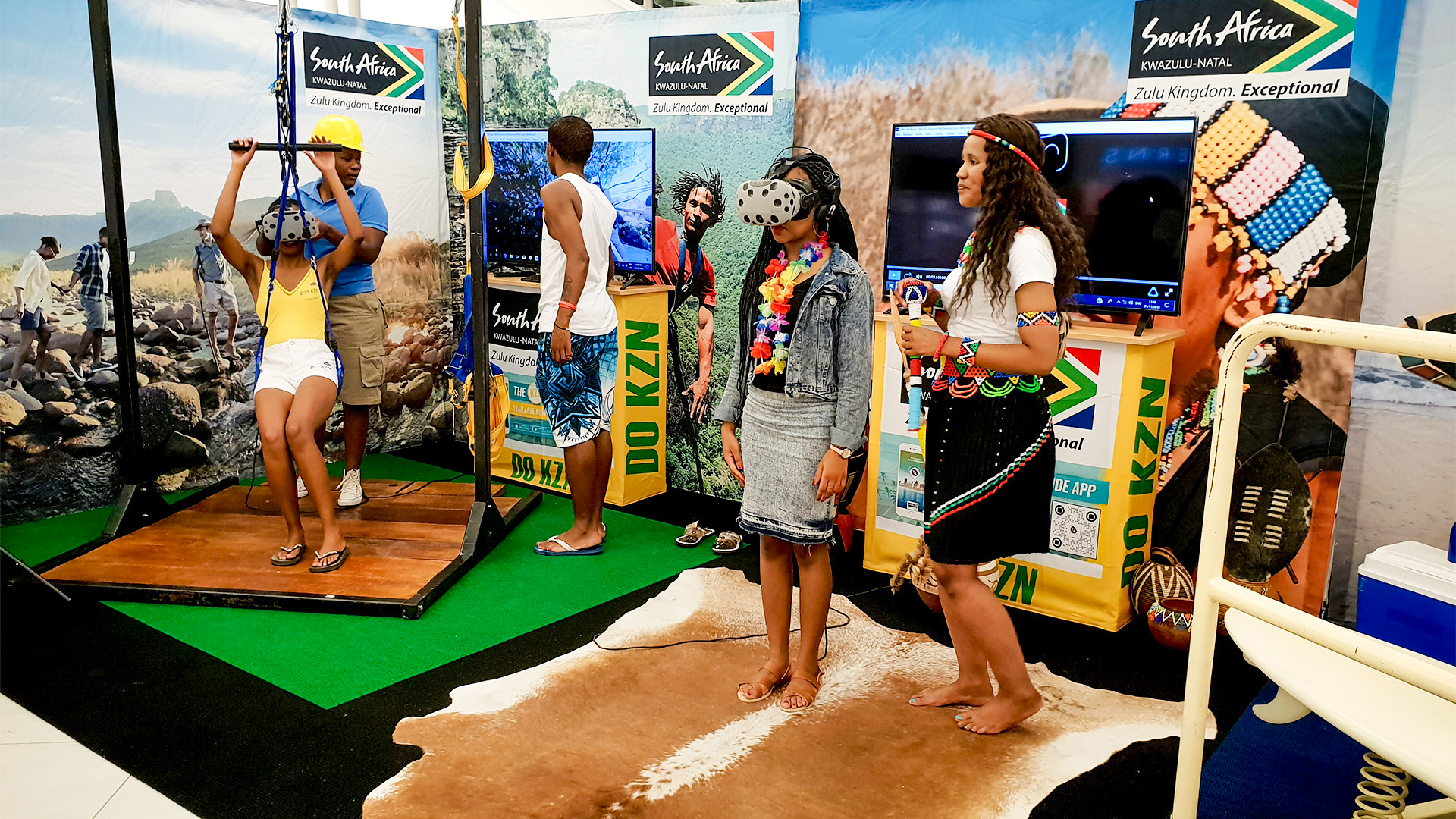
The Business Horizon For South African Tourism
Author: Elisha Roodt
Sharing the best of Virtual Reality Durban with local VR experiences, events, and immersive tech insights from Durban and KwaZulu-Natal.