
The Best VR Headsets in 2026 - What to Buy (and Why)
Discover the best VR headsets of 2026 with expert picks, key features, and buying tips to help you choose the perfect VR headset for your needs.
A buyer’s map for a year where “good enough” VR finally feels genuinely good
A friend of mine describes shopping for a VR headset the way you’d choose a motorcycle: the spec sheet tells you the horsepower, but not whether it’ll fit your body, your roads, or your appetite for tinkering. In 2026, that metaphor holds—except the “roads” are ecosystems, your “helmet” is optics, and the “fuel” is content. The good news is that the market has sorted itself into clearer lanes: mainstream standalone, premium spatial computing, console-bound immersion, and featherweight PC rigs. The trick is matching the lane to your actual weekends.
The three variables that quietly decide everything
Optics and displays: your personal window into another universe
If you’ve ever looked through binoculars that were almost aligned, you know the weird fatigue: your brain works overtime to reconcile two near-truths. VR is the same. Pancake lenses generally buy you better edge clarity and a larger “sweet spot,” while older Fresnel optics can feel like reading tiny text through a lighthouse lens—usable, but with glare and concentric artifacts. This is why headsets like Meta Quest 3 (pancake) often feel “effortless” for mixed reality and UI-heavy work compared with cheaper siblings that reuse older optical stacks.
Resolution numbers matter, but they’re not sovereign. Refresh rate, persistence, binocular overlap, and color/contrast all conspire to create “presence.” OLED (like PS VR2) can make dark scenes look like velvet instead of gray fog, while micro-OLED (like Bigscreen Beyond 2) can make text feel surgically crisp—assuming your PC can feed it. Think of the display as the canvas, and the optics as the gallery lighting: either one can ruin the painting if it’s wrong.
Tracking and controllers: the difference between ballet and bumper cars
Tracking quality is the difference between “I’m in there” and “I’m fighting the hardware.” Inside-out tracking has matured into something reliably competent for most play spaces, but controller ergonomics still shape your muscle memory. Meta’s Touch ecosystem is a familiar, game-first baseline, while PS VR2’s Sense controllers add a console-polished haptic vocabulary that can feel like a tactile language lesson—subtle rumbles become cues, not noise. When tracking is stable, your hands stop being tools and start being body parts again.
Then there’s the PCVR corner where external tracking remains the gold standard for precision. Bigscreen’s Beyond 2 family leans on SteamVR base stations, and that trade is blunt: you buy setup complexity in exchange for consistency and low-latency confidence. In a hypothetical rhythm-game duel, inside-out can be “pretty good” until you move quickly near the headset’s blind spots; external tracking just keeps score like a ruthless accountant. That’s not a must-have for everyone—but for enthusiasts, it’s the difference between fun and fixation.
Ecosystems: content libraries, friction, and the “VR tax” you don’t see
The hidden cost of VR isn’t only money—it’s friction. A headset with a rich standalone store can feel like switching on a console, while PCVR can feel like preparing a small spacecraft: drivers, runtimes, play-space boundaries, and the occasional mysterious stutter. The Meta Quest line remains the most frictionless “grab-and-go” route for the largest audience, largely because the content pipeline and wireless PC options are now mainstream expectations, not exotic hacks.
But ecosystems are also about what you won’t do. Apple Vision Pro is intentionally not sold as a “VR headset” so much as a spatial computer, with eye/hand/voice interaction as the default dialect. That’s brilliant for productivity-adjacent use, media, and presence-heavy communication—but it can be the wrong tool if your core dream is room-scale swordfighting. Imagine buying a grand piano to play campfire chords: it’ll sound gorgeous, but you’re paying for an instrument you won’t fully use.
The mainstream sweet spot: standalone headsets that actually make sense
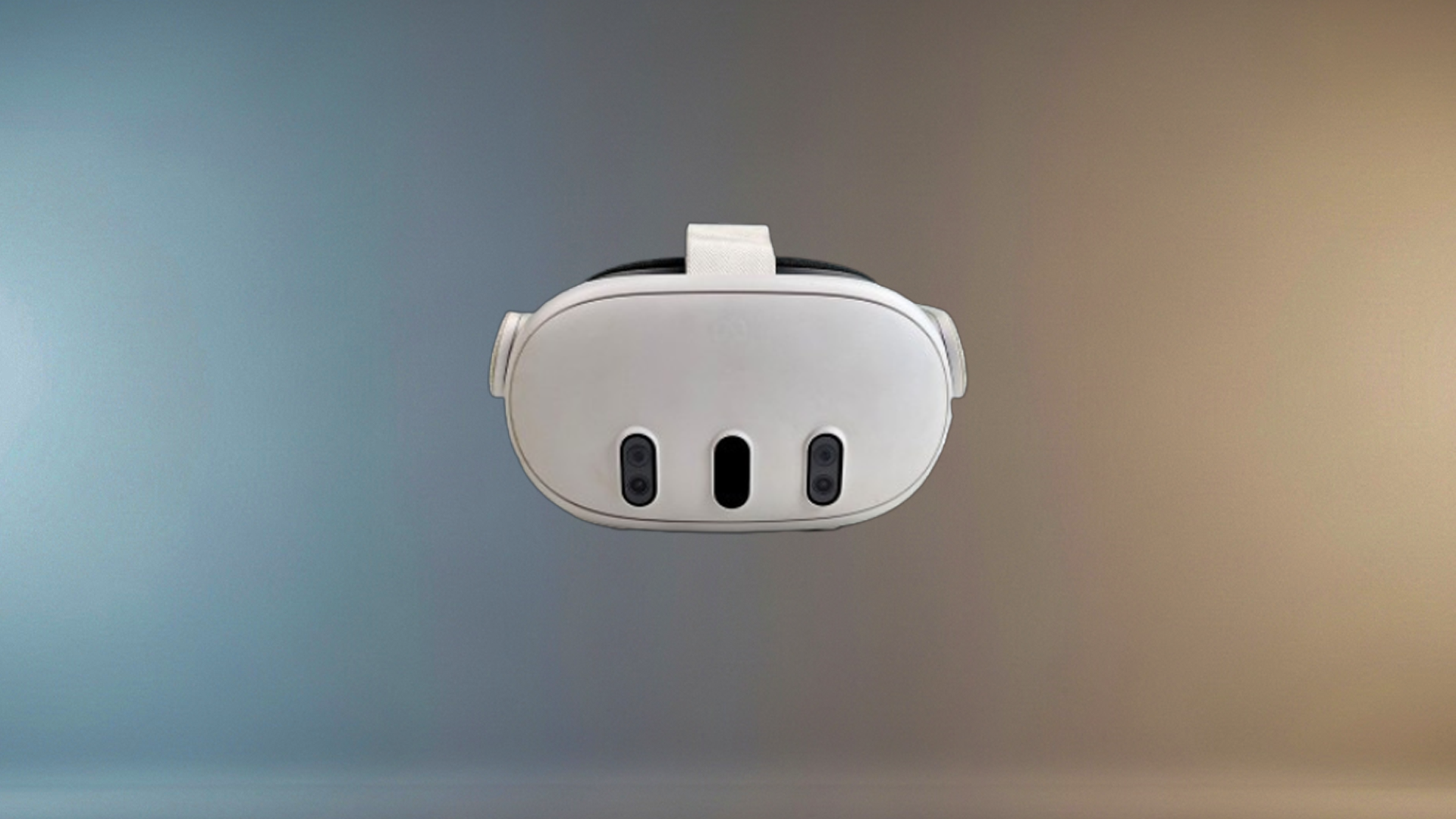
Meta Quest 3: the “one headset” answer for most people
If you want the headset you can recommend to your cousin, your boss, and your future self without apology, Quest 3 still reads like the default. The broad story is balance: strong mixed reality capability, sharp-enough visuals, and a library that makes the device feel alive on day one. Reviewers regularly point to its upgraded optics and overall value, especially if you want both standalone gaming and wireless PCVR without building a shrine of cables in your lounge.
The trade-offs are the ones you’d expect from a generalist: battery life that nudges you toward shorter sessions, and comfort that may require a better strap if you’re marathon-inclined. In a hypothetical week, it’s the headset you use for a quick fitness session on Tuesday, a co-op game on Thursday, and a “show friends the future” demo on Saturday—without changing your whole house. It’s not the most luxurious experience on the planet, but it’s the one with the fewest caveats per rand or dollar.
Meta Quest 3S: budget VR that dodges the usual compromises
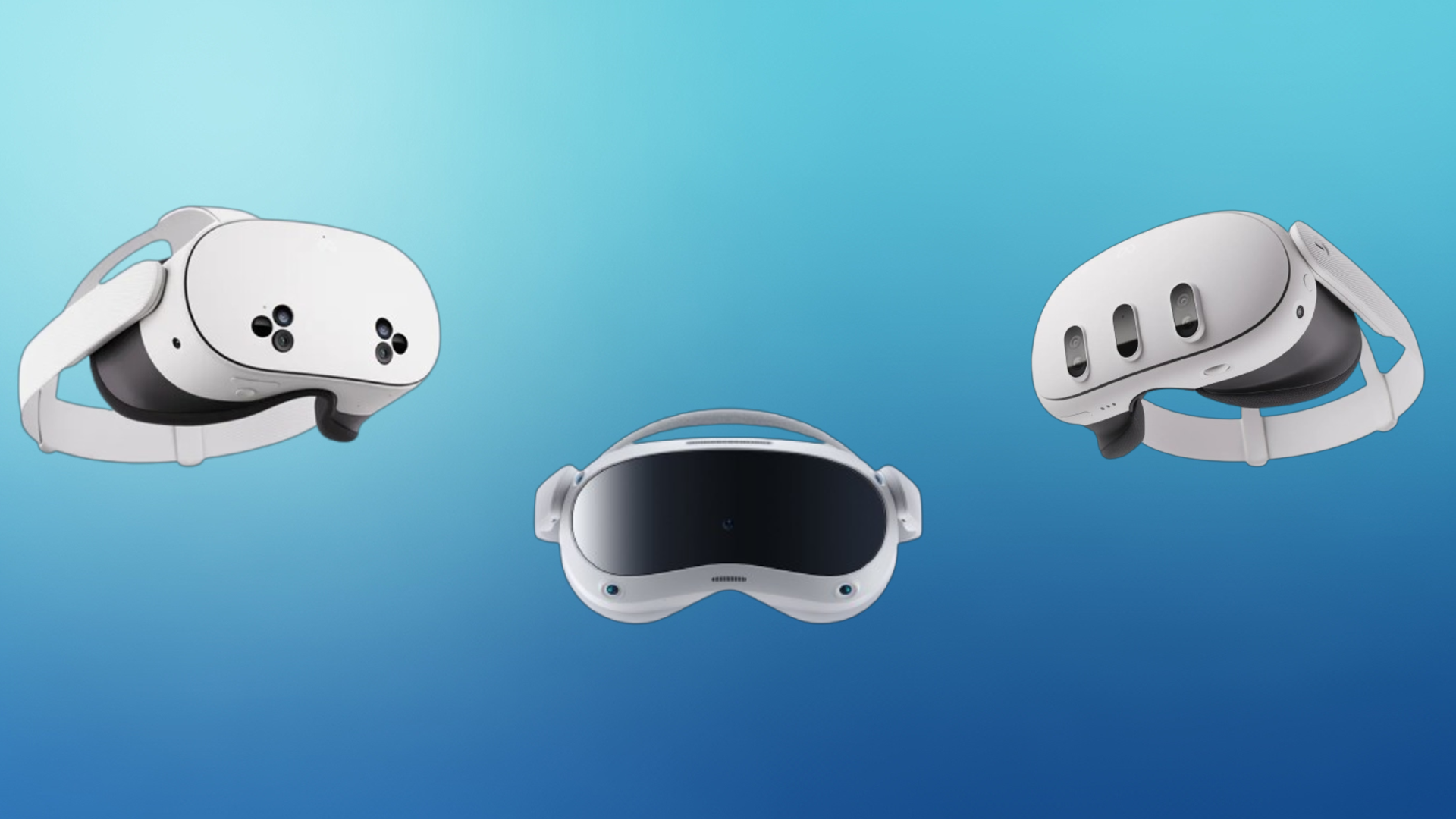
The Quest 3S exists for a very specific, very common person: someone who wants modern performance and content access, but doesn’t want to pay the premium for the best optics. Meta positioned it as a lower-cost sibling with configurations priced at $299 (128GB) and $399 (256GB), and that pricing is the real feature because it drags “good VR” into impulse-buy territory.
The compromise is also explicit: compared to Quest 3, you’re not buying the same visual finesse, because the optical approach is more old-school. Yet for many players—especially those who live in active, motion-heavy experiences—this doesn’t matter as much as people pretend. Think of it like buying a performance car with last year’s infotainment: the engine (compute) is modern, the dashboard (optics) is less glamorous, but you still arrive smiling. It’s best for first-time buyers, families, and anyone building a multi-headset household.
Pico 4 Ultra: the sharp alternative—if you can live with its borders
Pico’s 4 Ultra is compelling because it offers a strong hardware pitch, including a high-resolution display and comfort-forward design, and it’s formally positioned as a mixed reality headset in Pico’s own launch materials. In the “I want something other than Meta” category, it’s one of the cleanest answers—especially in regions where it’s well supported. It can feel like choosing an Android flagship: powerful, often elegantly designed, and occasionally the better physical product.
The border is content and geography. Availability is explicitly Europe-focused in Pico’s announcements, and the store/catalog constraints can be real depending on what you play. If your hypothetical scenario is “I just want the biggest library and fastest multiplayer matchmaking,” you may feel the walls. But if your scenario is “I want a comfortable standalone headset with strong visuals for the apps I actually use,” Pico can be the quiet overachiever—an excellent fit for viewers, explorers, and people who don’t want to live inside Meta’s orbit.
Premium and specialist rigs: when you’re buying a specific kind of reality
Apple Vision Pro: spatial computing first, VR second—by design
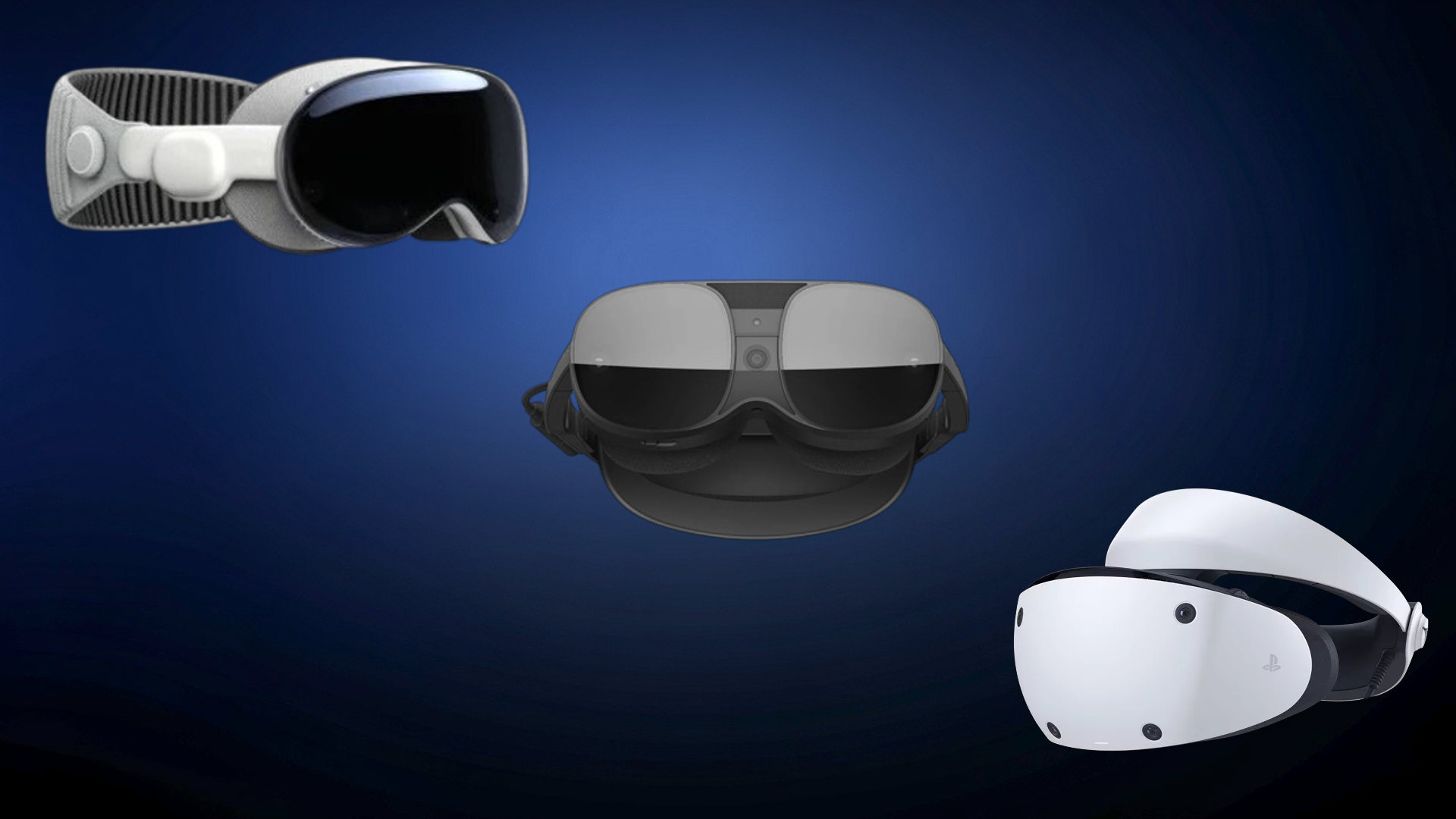
Apple’s pitch is subtle: this is not your “game headset,” it’s your floating workstation, cinema, and communication hub. Apple formally introduced Vision Pro availability and framed it as a “spatial computer,” emphasizing how digital content integrates into your real environment. The interface model—eyes, hands, voice—can feel like science fiction when it clicks. In a hypothetical Sunday night, you’re editing, messaging, watching, and browsing with windows anchored in space like polite ghosts.
The downside is that it’s an expensive way to chase traditional VR fantasies, and its strengths shine brightest when your use case is productivity-adjacent or media-heavy. If Quest is a Swiss Army knife, Vision Pro is a precision scalpel: astonishing in the right hands, excessive for everyday carving. It’s best for professionals, Apple-ecosystem loyalists, and people who value UI clarity and input elegance over controllers-first action. For them, it’s less “headset” and more a new category of personal computing.
PS VR2: the console cathedral—high immersion, lower fuss
PS VR2 is the headset for someone who wants VR to behave like a console accessory: plug in, calibrate, and disappear into curated worlds. Sony’s published tech specs highlight OLED panels, 2000×2040 per eye resolution, and refresh rates up to 120Hz, plus a wide field of view around 110 degrees. Those numbers translate into a particularly satisfying kind of immersion, especially in dark or contrasty scenes where OLED can flex.
The trade is that you’re buying into PlayStation’s garden. That’s a feature if you already own a PS5 and want the least friction path to premium-feeling VR; it’s a limitation if you want broad experimentation across PC mods, indie betas, or weird niche apps. Picture it as going to a world-class theater: the seats are great, the lighting is perfect, but you can’t rearrange the stage. It’s best for console players, cinematic VR lovers, and anyone allergic to PC troubleshooting.
HTC Vive XR Elite: a modular traveler with very specific strengths
Vive XR Elite’s story is portability and modularity—an attempt to make “VR you can travel with” feel less like a compromise. HTC’s own specs call out 1920×1920 per eye, a 90Hz refresh rate, and up to ~110 degrees of field of view. It’s a device that makes sense in hypothetical situations like: “I need a headset for demos, training sessions, or short bursts of MR on the move.” In those moments, convenience can trump raw visual luxury.
Where it can stumble is the same place many middle-category headsets stumble: ecosystem gravity. If your core plan is to live inside the biggest standalone game library, you may feel like you bought a lovely boat for a river that doesn’t reach the ocean. And compared to the best-in-class optics of newer mainstream picks, it may not feel as visually “effortless.” Still, it’s best for enterprise-light deployments, travelers, and enthusiasts who value form factor experimentation over a single dominant store.
PCVR and enthusiast territory: the headsets you buy like you buy instruments
Bigscreen Beyond 2 and 2e: featherweight immersion for the committed
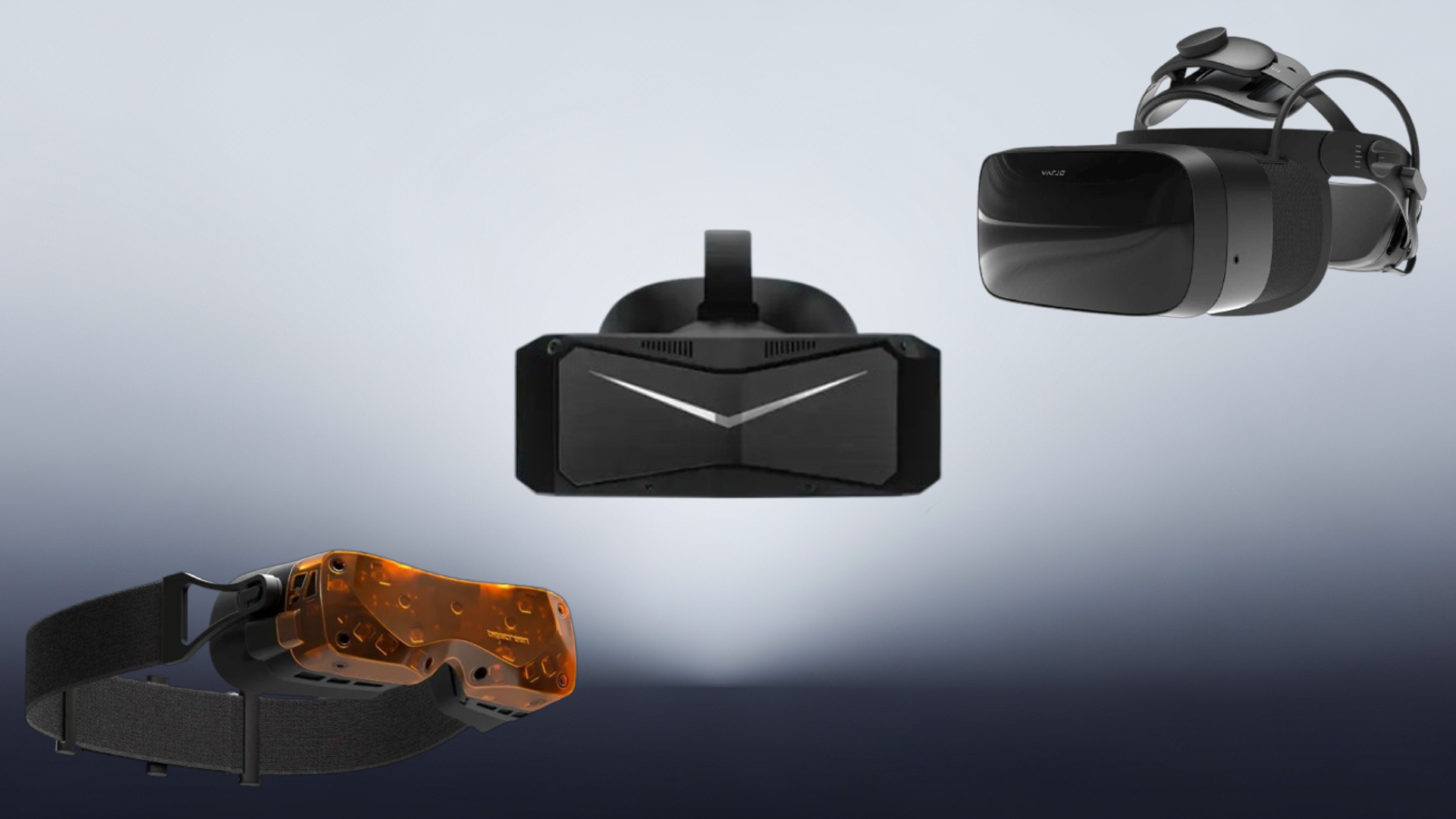
Bigscreen’s Beyond line is the purest expression of a PCVR philosophy: make the headset vanish. The Beyond 2 was announced as an ultra-light custom-fit headset around 107 grams, with an optional eye-tracking model (Beyond 2e) and SteamVR base station compatibility. The experience can feel like swapping a helmet for a pair of goggles—suddenly your neck stops arguing with you. For sim pilots, VRChat regulars, and long-session PC users, that comfort story is not trivial; it’s transformative.
The cost is commitment: external tracking, PC tethering, and the logistics of custom fitting. It’s like owning a high-end espresso machine—you don’t buy it to make any coffee, you buy it because the ritual and result matter. And while the micro-OLED clarity can be gorgeous, your GPU becomes part of the headset’s identity. It’s best for enthusiasts who already live in SteamVR, care about comfort at the gram level, and want a premium, personal-fit display window.
Pimax-class “spec monsters”: amazing on paper, demanding in practice
Even if you don’t buy a Pimax-style headset, it’s useful as a cautionary tale: chasing extreme resolution and wide field-of-view can be intoxicating, but it’s also how you end up building your life around settings menus. In the enthusiast world, you’ll meet people who can talk for twenty minutes about render scale, reprojection, and which USB controller doesn’t misbehave. Their headsets can look spectacular—when everything lines up. But the real question is whether you want VR to be your hobby, or the thing you do inside your hobbies.
If your hypothetical scenario is “I want the sharpest cockpit gauges and the widest peripheral sweep,” then yes, the big-spec PC headsets can feel like stepping into an IMAX dome. If your scenario is “I want to play after work without troubleshooting,” those same devices can feel like adopting a temperamental pet. The best fit is for tinkerers, sim specialists, and people who enjoy calibration as part of the craft—not as an obstacle.
Varjo’s pro-grade legacy: stunning visuals, but mind the lifecycle
Varjo sits in a rarified tier where “visual fidelity” stops being marketing language and becomes an engineering obsession. The Varjo Aero page notes professional-grade fidelity and very high pixels-per-degree at the center, which is exactly what you want when your work depends on visual acuity rather than spectacle. But pro hardware has pro realities: Varjo has documented that support timelines for older devices can end, with its own support notes referencing an end date for updates for certain older-generation models.
That doesn’t mean the headset stops working overnight; it means you should buy it like you’d buy a specialist camera body—aware of the ecosystem and update cadence. For training, simulation, and design review, that center clarity can be worth every complication. For a casual gamer, it can be hilariously excessive, like wearing a tailored suit to paint a fence. It’s best for professional users, enterprise simulation, and enthusiasts with a “no compromises” visual priority and the budget to match.
What to buy, based on who you are on a random Tuesday
If you want one headset that covers 80% of life: pick the pragmatic champion
Most people don’t need a headset that wins a laboratory shootout. They need one that gets used. If you’re the kind of person who wants to do a bit of everything—fitness, party demos, mixed reality dabbling, and occasional PCVR—Meta Quest 3 remains the most consistently defensible recommendation because it balances optics, capability, and day-to-day ease. It’s the headset you can leave by the couch like a game controller, not locked in a drawer like fragile lab equipment.
If that price still feels steep, Quest 3S is the obvious “don’t overthink it” choice, especially with its $299/$399 positioning in Meta’s own messaging. The metaphor I use is buying a solid laptop instead of building a desktop: you lose some peak performance and upgrade romance, but you gain a machine you actually open every day. For most buyers in 2026, that matters more than winning spec wars on the internet.
If you already own the ecosystem: follow the gravity, then optimize comfort
Hardware doesn’t exist in isolation; it follows the gravity of what you already own. If you’re a PS5 household, PS VR2 is the cleanest “premium immersion” route, with Sony’s OLED-based spec sheet backing a cinematic, polished experience. If you’re deep in Apple’s world and your VR daydream is more about spatial screens than saber fights, Vision Pro can feel like the first device that treats interface interaction as a first-class citizen.
Once you choose your ecosystem, spend your energy where it pays off: comfort and usability. A better strap, better facial interface, or thoughtful play-space setup can improve your lived experience more than chasing marginal resolution gains. Think of it like fitting a bicycle: the frame matters, but saddle height decides whether you ride tomorrow. The “best” headset is the one you can wear for an extra 20 minutes without negotiating with your neck.
If you’re chasing a specific feeling: buy the headset that matches the story
When someone tells me, “I want VR to disappear,” they usually mean one of two things: either they want frictionless convenience, or they want physical lightness and optical clarity that makes the headset feel like it isn’t there. For the first group, Quest 3 (or 3S) is the easy answer because it minimizes setup drama. For the second group—PCVR devotees—Bigscreen Beyond 2 is the kind of product that turns into an obsession, because 107 grams is not a spec, it’s a sensation.
And for the “I want something different” crowd, Pico 4 Ultra is a legitimate alternative with strong hardware intent, but you should buy it only if its regional availability and store realities match your life. The right way to decide is to picture a single evening: you come home tired, you put the headset on, and you either enter a world—or you enter a settings menu. Buy for the world.

Author: Elisha Roodt
Sharing the best of Virtual Reality Durban with local VR experiences, events, and immersive tech insights from Durban and KwaZulu-Natal.