How Artificial Intelligence Has Been Integrated Into VR Over Time
Virtual Reality (VR) and Artificial Intelligence (AI) have emerged as two of the most transformative technologies in recent decades. While VR...
Virtual Reality (VR) and Artificial Intelligence (AI) have emerged as two of the most transformative technologies in recent decades. While VR offers immersive experiences by simulating physical presence in virtual spaces, AI adds layers of intelligence and adaptability, making those experiences richer and more personalized. When combined, these technologies have the potential to revolutionize not only entertainment and gaming but also education, healthcare, and many other fields.
Understanding the intersection of VR and AI is crucial for grasping the future of technology. As we delve into their convergence, we'll explore how AI has been integrated into VR over time, highlighting key milestones that have shaped AI-driven VR experiences. This exploration will illuminate how these technologies, once separate, now intertwine to create sophisticated, intelligent, and immersive worlds.
The Evolution of Virtual Reality: A Brief History
Early Beginnings of VR: From Concept to Prototype
The concept of virtual reality predates modern computing, with roots in the mid-20th century. Early VR prototypes, like the "Sensorama" and the "Sword of Damocles," were rudimentary but visionary. These devices aimed to create multisensory experiences, laying the groundwork for future developments. The Sensorama, invented by Morton Heilig in the 1960s, was a mechanical device that offered a full sensory experience, including visuals, sound, and even smells. The Sword of Damocles, developed by Ivan Sutherland in 1968, was the first head-mounted display (HMD) system, albeit a bulky and intimidating apparatus suspended from the ceiling.
These early innovations, though primitive by today's standards, demonstrated the potential of VR to create immersive environments. However, the technology of the time was limited, and these early experiments remained largely in the realm of academic research and speculative fiction.
The Rise of Consumer VR: Headsets, Platforms, and Accessibility
It wasn't until the 1990s that VR began to move towards mainstream adoption. Companies like Sega and Nintendo experimented with VR gaming, but the technology was still not ready for widespread consumer use. High costs, limited computing power, and rudimentary graphics hindered early VR systems from gaining traction.
The real breakthrough came in the 2010s with the development of more affordable and accessible VR headsets. The launch of the Oculus Rift in 2012, followed by the HTC Vive and PlayStation VR, marked the beginning of a new era for VR. These devices offered high-quality graphics, improved motion tracking, and a more immersive experience, making VR accessible to a broader audience.
The rise of consumer VR also saw the development of various platforms and ecosystems, such as SteamVR and Oculus Home, which provided users with a wide range of VR content. However, while the hardware had advanced significantly, early consumer VR still lacked the depth and interactivity needed to fully engage users.
Limitations of Early VR: What Was Missing?
Despite these advances, early VR systems had significant limitations. The experiences were often shallow, with pre-scripted interactions and environments that lacked dynamism. Users could explore virtual worlds, but these worlds were static and unresponsive, offering little in the way of true interactivity.
Moreover, the absence of intelligent behavior in virtual characters and environments meant that VR experiences were largely passive. Users could look and move around, but they couldn't engage in meaningful interactions. This lack of intelligence and adaptability left a gap in the VR experience, one that would eventually be filled by the integration of AI.
The Dawn of AI Integration in VR
Initial Attempts at AI in VR: Experiments and Failures
The first attempts to integrate AI into VR were modest and experimental. Developers sought to create virtual environments that could respond to user actions in real-time, but early efforts were plagued by technical challenges. Limited processing power, rudimentary AI algorithms, and a lack of robust data sets hindered these initial endeavors.
For instance, early AI-driven VR experiences often involved simple decision trees or pre-scripted responses, which resulted in predictable and repetitive interactions. These limitations made it difficult to create truly immersive experiences where users felt they were interacting with intelligent, autonomous entities.
Despite these setbacks, these early experiments laid the groundwork for future advancements. Developers and researchers began to understand the potential of AI in VR, and this understanding spurred further innovation.
The Role of AI in Enhancing VR Immersion: A New Frontier
AI's role in VR is multifaceted, encompassing everything from character behavior to environmental dynamics. By integrating AI, developers can create virtual worlds that are not only visually immersive but also cognitively engaging. AI can analyze user behavior in real-time and adapt the environment or characters accordingly, creating a more personalized and immersive experience.
For example, AI-driven non-player characters (NPCs) in VR can exhibit lifelike behavior, reacting to user actions in ways that feel natural and unscripted. This dynamic interaction adds a new layer of immersion, as users are no longer interacting with pre-programmed entities but with characters that can learn, adapt, and evolve.
AI also enhances VR by enabling more complex and interactive environments. Through procedural generation, AI can create vast, dynamic worlds that change and evolve based on user interactions. This not only increases the replay value of VR experiences but also makes them more engaging and immersive.
Key Factors Driving AI Adoption in VR: Technology, Demand, and Innovation
The integration of AI into VR has been driven by several key factors. First, advancements in AI technology, particularly in machine learning and natural language processing, have made it possible to create more intelligent and responsive virtual environments. These technological advancements have opened up new possibilities for AI-driven VR experiences.
Second, there has been growing demand for more immersive and interactive VR experiences. As consumers become more familiar with VR, they seek experiences that go beyond simple visual immersion. They want to interact with intelligent characters, explore dynamic environments, and experience personalized narratives. AI provides the tools to meet these demands.
Finally, innovation in the VR industry has played a significant role in driving AI adoption. Developers are constantly exploring new ways to enhance VR experiences, and AI has emerged as a key enabler of this innovation. By integrating AI, developers can push the boundaries of what is possible in VR, creating experiences that are more immersive, engaging, and personalized.
Key Milestones in AI-Driven VR Experiences
Early Breakthroughs: The First AI-Powered VR Environments
The first significant milestone in AI-driven VR was the development of AI-powered environments that could respond to user actions in real-time. These environments, though primitive by today's standards, represented a major leap forward in VR technology.
One of the earliest examples was the use of AI to create adaptive virtual environments in research settings. These environments could change in response to user behavior, creating a more dynamic and interactive experience. For example, an AI-driven VR environment might adjust the weather, time of day, or even the layout of the virtual world based on user actions.
These early breakthroughs demonstrated the potential of AI to transform VR from a static, passive experience into a dynamic, interactive one. They also set the stage for further advancements in AI-driven VR experiences.
The Introduction of AI-Driven Characters: NPCs with Intelligence
The next major milestone was the introduction of AI-driven characters, or NPCs, that could interact with users in more meaningful ways. These characters, powered by AI algorithms, could exhibit lifelike behavior and respond to user actions in real-time.
One of the most notable early examples of AI-driven NPCs was in VR gaming. Developers began to experiment with AI algorithms that allowed NPCs to learn from user behavior and adapt their responses accordingly. This resulted in more immersive and engaging gameplay, as users could interact with characters that felt more alive and responsive.
The introduction of AI-driven NPCs also had broader implications for VR beyond gaming. In educational and training simulations, for example, AI-driven characters could act as instructors or peers, providing personalized guidance and feedback. This added a new dimension to VR experiences, making them more interactive and effective.
The Evolution of AI-Powered Interactivity: Personalized User Experiences
As AI technology continued to advance, so too did the potential for personalized user experiences in VR. The ability of AI to analyze vast amounts of data in real-time enabled developers to create VR experiences that were tailored to individual users.
One of the key developments in this area was the use of AI to create personalized narratives in VR. By analyzing user behavior, preferences, and interactions, AI algorithms could generate unique storylines that adapted to the user's choices and actions. This not only increased the engagement and replayability of VR experiences but also made them more emotionally resonant.
AI-powered interactivity also extended to other aspects of VR, such as environmental dynamics and character interactions. AI could create dynamic environments that responded to user actions, making each experience unique. Similarly, AI-driven characters could adapt their behavior based on the user's past interactions, creating a more personalized and immersive experience.
How AI is Revolutionizing VR Today
Real-Time AI Adaptation in VR: Enhancing User Engagement
In today's VR landscape, real-time AI adaptation is a game-changer. AI's ability to analyze and respond to user actions in real-time has transformed VR from a static experience into a dynamic, interactive one. This real-time adaptation enhances user engagement by creating experiences that feel more personalized and immersive.
For example, in a VR game, AI can analyze the player's behavior and adjust the difficulty level, enemies' strategies, or even the environment to match the player's skill level. This keeps the experience challenging and engaging, preventing frustration or boredom.
Real-time AI adaptation is also used in educational and training simulations. AI can tailor the experience to the user's learning style, providing personalized feedback and guidance. This makes VR a powerful tool for education and training, as it can adapt to the needs of individual learners.
AI-Driven Storytelling in VR: Personalized Narratives and Outcomes
Storytelling has always been a central aspect of VR, and AI has taken
it to the next level. AI-driven storytelling in VR allows for the creation of personalized narratives that adapt to the user's choices and actions. This adds a new level of immersion and emotional engagement to VR experiences.
In AI-driven storytelling, the narrative is not pre-scripted but generated in real-time based on the user's interactions. For example, in a VR game, the story might change based on the player's decisions, leading to different outcomes and experiences. This creates a sense of agency and ownership over the narrative, making the experience more engaging and memorable.
AI-driven storytelling also has applications beyond gaming. In VR therapy, for example, AI can create personalized narratives that help users confront and overcome psychological challenges. This makes the experience more effective and impactful, as it is tailored to the user's specific needs.
The Role of AI in VR World-Building: Dynamic Environments and Scenarios
AI plays a crucial role in VR world-building, enabling the creation of dynamic environments and scenarios that adapt to user actions. This makes VR experiences more immersive and engaging, as users can explore worlds that feel alive and responsive.
One of the key innovations in this area is procedural generation, where AI algorithms create vast, dynamic environments in real-time. These environments can change based on user actions, creating a sense of unpredictability and excitement. For example, in a VR exploration game, the AI might generate a new landscape every time the user starts a new session, ensuring that each experience is unique.
AI also enables the creation of dynamic scenarios that adapt to the user's actions. For example, in a VR training simulation, the AI might adjust the scenario based on the user's performance, creating new challenges and opportunities for learning. This makes the experience more engaging and effective, as it is tailored to the user's needs.
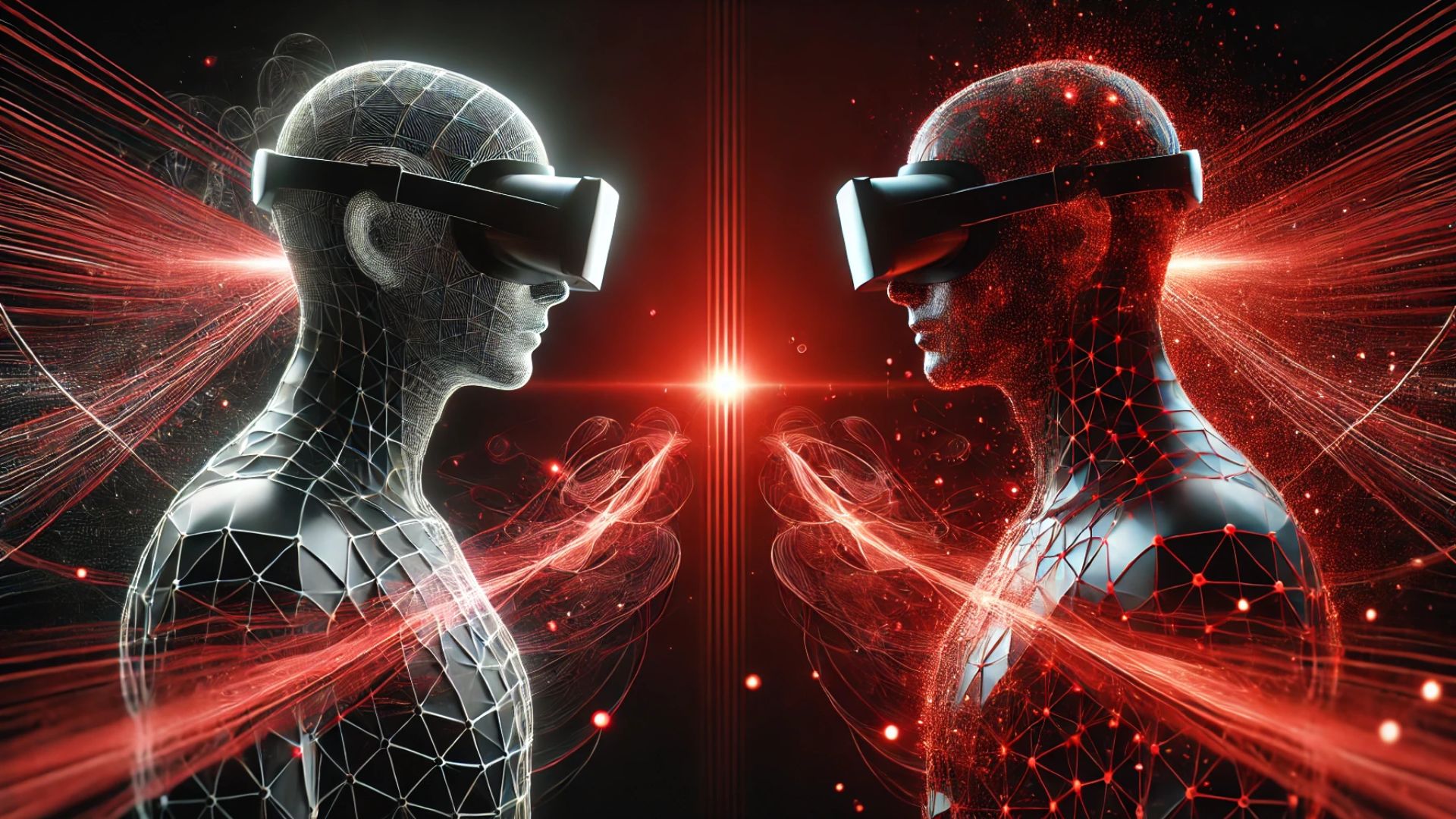
Case Studies of AI-Enhanced VR Experiences
Gaming and Entertainment: AI in Immersive Story-Driven Games
AI has had a profound impact on VR gaming and entertainment, particularly in the realm of immersive, story-driven games. By integrating AI, developers have created games that offer dynamic narratives, intelligent characters, and interactive environments, making the gaming experience more engaging and memorable.
One notable example is "Half-Life: Alyx," a VR game that uses AI to create lifelike NPCs and dynamic environments. The game's AI-driven characters can react to the player's actions in real-time, creating a sense of immersion and agency. Additionally, the AI-driven environments are responsive, changing based on the player's interactions, which adds a layer of unpredictability and excitement.
Another example is "The Walking Dead: Saints & Sinners," where AI controls the behavior of zombies and human NPCs. The AI in this game creates dynamic and unpredictable encounters, making each playthrough unique. The game's AI also adapts to the player's actions, creating a personalized experience that keeps the player engaged and on edge.
AI in Educational VR: Tailoring Learning Experiences
AI-driven VR is also making waves in education, where it is used to create personalized learning experiences. By analyzing student behavior and performance, AI can tailor educational content to individual needs, making learning more effective and engaging.
One example of AI-enhanced educational VR is "Engage," a VR platform used for virtual classrooms and training sessions. In this platform, AI algorithms analyze student interactions and adjust the content and pace of the lesson accordingly. This ensures that each student receives a personalized learning experience that matches their abilities and learning style.
Another example is "Nanome," a VR tool for chemistry and biology education. Nanome uses AI to create interactive, 3D models of molecules and chemical reactions. The AI adapts the complexity of the models based on the user's understanding, making it easier for students to grasp difficult concepts.
The Use of AI in VR Therapy: Customized Treatments and Interventions
AI-driven VR is also being used in therapy, where it offers customized treatments and interventions for a range of psychological and physical conditions. By tailoring the VR experience to the needs of the individual, AI makes therapy more effective and accessible.
One example of AI-enhanced VR therapy is "Bravemind," a VR program used to treat post-traumatic stress disorder (PTSD) in veterans. Bravemind uses AI to create personalized therapy sessions that simulate traumatic events in a controlled environment. The AI adapts the intensity and content of the simulation based on the patient's reactions, helping them gradually confront and overcome their trauma.
Another example is "MindMaze," a VR platform used for stroke rehabilitation. MindMaze uses AI to create personalized exercises that help patients regain motor function. The AI analyzes the patient's movements and adjusts the difficulty of the exercises accordingly, ensuring that the therapy is both challenging and achievable.
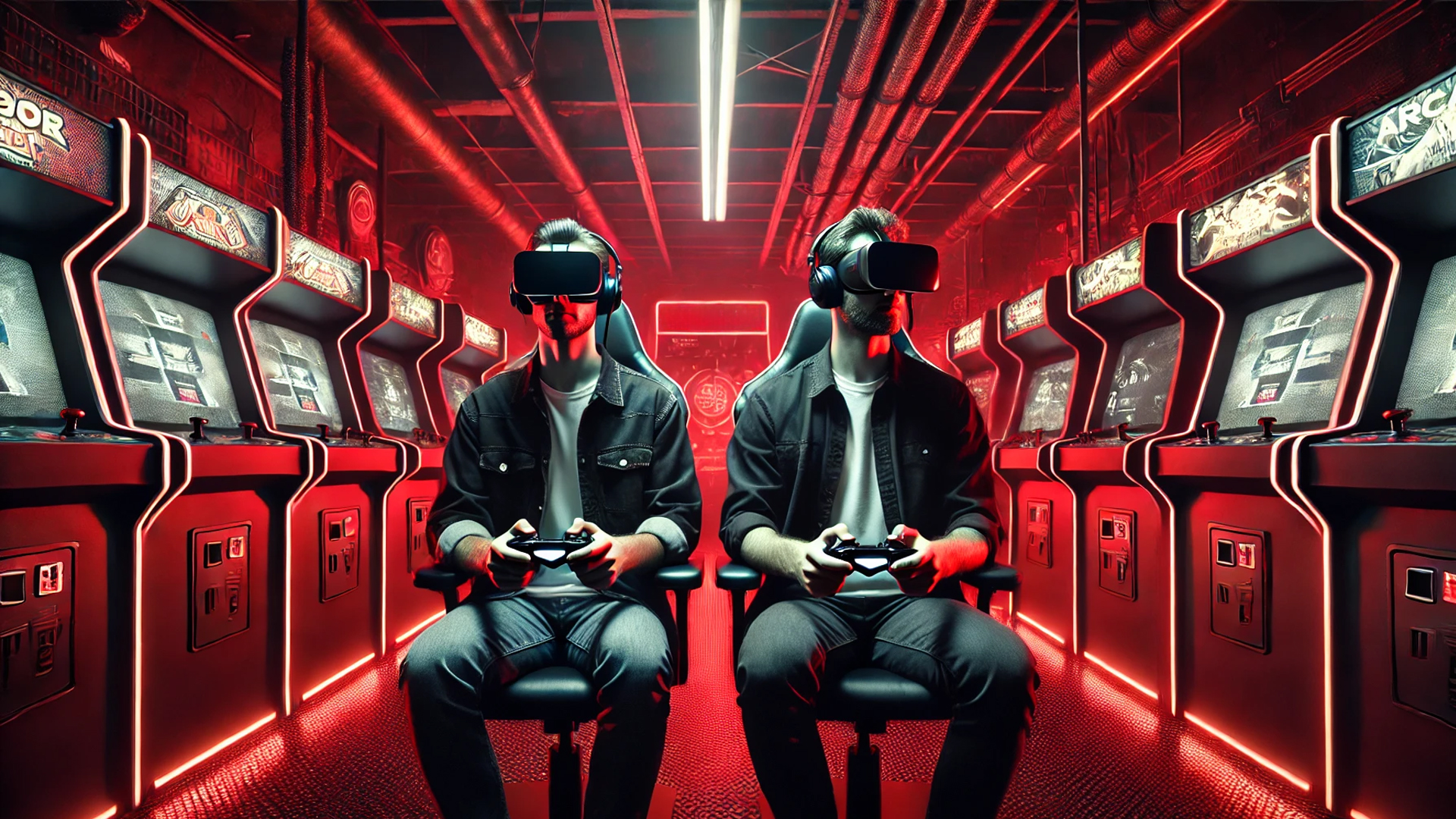
Challenges and Ethical Considerations
Privacy Concerns: AI Data Collection in VR
As AI-driven VR experiences become more sophisticated, concerns about privacy and data collection have come to the forefront. AI algorithms rely on vast amounts of data to function, and in VR, this data often includes sensitive information about user behavior, preferences, and even biometric data.
The collection and use of this data raise important questions about privacy and consent. Users may not be fully aware of the extent of the data being collected or how it is being used. This lack of transparency can lead to concerns about data security and the potential for misuse.
Moreover, the immersive nature of VR means that AI can collect more detailed and personal data than traditional digital platforms. For example, AI in VR can track not only what users say and do but also how they move, where they look, and even their emotional responses. This level of data collection poses significant privacy risks and underscores the need for robust data protection measures.
The Ethics of AI-Controlled VR Characters: Autonomy vs. Control
The use of AI to control characters and environments in VR also raises ethical questions about autonomy and control. As AI-driven characters become more lifelike and autonomous, the line between virtual and real interactions begins to blur. This can lead to complex ethical dilemmas, particularly in scenarios where users form emotional connections with AI-driven characters.
One ethical concern is the potential for users to become overly reliant on or attached to AI-driven characters. In some cases, these characters may be designed to manipulate or influence user behavior, raising questions about autonomy and consent. For example, AI-driven characters in VR therapy might encourage users to confront difficult emotions, but this could also lead to unintended psychological harm if not carefully managed.
Another concern is the potential for AI-driven characters to reinforce harmful stereotypes or biases. If AI algorithms are trained on biased data, they may exhibit discriminatory behavior or reinforce negative stereotypes, leading to harmful consequences for users.
The Future of AI and VR: Balancing Innovation with Ethical Responsibility
As AI and VR continue to evolve, it will be essential to balance innovation with ethical responsibility. The integration of AI into VR offers tremendous potential for creating immersive, personalized experiences, but it also raises important ethical and societal questions.
One of the key challenges will be ensuring that AI-driven VR experiences are designed and used in ways that respect user autonomy, privacy, and well-being. This will require not only technical solutions, such as improved data protection measures but also a broader ethical framework for the development and use of AI in VR.
Another challenge will be addressing the potential societal impacts of AI-driven VR. As these technologies become more widespread, they have the potential to reshape industries, influence social interactions, and even change the way we perceive reality. It will be important to carefully consider these impacts and ensure that the benefits of AI-driven VR are shared equitably across society.
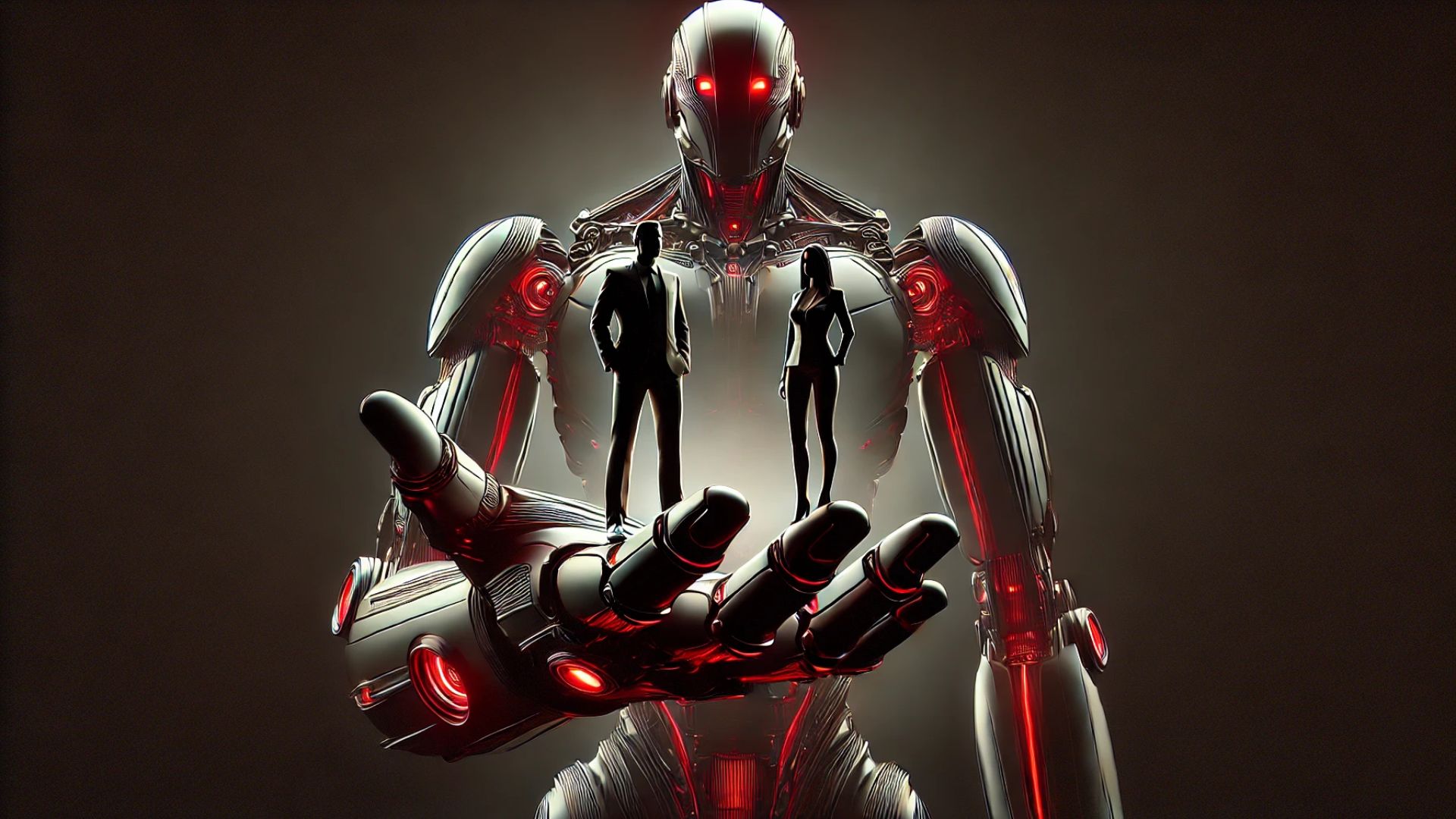
The Future of AI in VR: What's Next?
Predictions for AI and VR Integration: Emerging Trends and Technologies
The future of AI and VR integration is full of exciting possibilities. As AI technology continues to advance, we can expect to see even more sophisticated and immersive VR experiences. One emerging trend is the use of AI to create fully autonomous virtual worlds, where AI-driven characters and environments interact and evolve independently of human input.
Another trend is the integration of AI with other emerging technologies, such as augmented reality (AR) and mixed reality (MR). This could lead to new forms of immersive experiences that blend the physical and virtual worlds in novel ways. For example, AI-driven AR could create personalized overlays that enhance the real world with virtual content, while AI-driven MR could create seamless transitions between physical and virtual environments.
We can also expect to see more AI-driven VR experiences that are tailored to specific industries and use cases. For example, AI-driven VR could be used to create personalized training simulations for medical professionals, immersive educational experiences for students, or customized therapy sessions for individuals with mental health conditions.
The Potential Impact of AI on the Future of VR: Opportunities and Risks
The integration of AI into VR offers tremendous opportunities, but it also comes with significant risks. On the one hand, AI-driven VR has the potential to revolutionize industries, enhance learning and training, and create new forms of entertainment and social interaction. On the other hand, it also raises important ethical and societal questions that must be carefully considered.
One of the key opportunities of AI-driven VR is the potential to create more personalized and engaging experiences. By analyzing user data and behavior, AI can tailor VR experiences to individual needs and preferences, making them more immersive and effective. This could have a transformative impact on industries such as education, healthcare, and entertainment.
However, the use of AI in VR also raises significant risks, particularly around privacy, autonomy, and the potential for misuse. As AI-driven VR experiences become more sophisticated, there is a risk that they could be used to manipulate or influence user behavior in ways that are not fully understood or anticipated. This could lead to unintended consequences, particularly if these technologies are used in ways that are not transparent or ethical.
Envisioning the Ultimate AI-Driven VR Experience: A Glimpse into the Future
The ultimate AI-driven VR experience would be one where the boundaries between the physical and virtual worlds are completely blurred. In this vision of the future, AI would create fully autonomous virtual worlds that are indistinguishable from reality, where users can interact with lifelike characters and environments
that respond and adapt to their every action.
In this future, AI-driven VR would offer personalized experiences that are tailored to individual needs, preferences, and emotions. Users could explore vast, dynamic worlds that evolve and change based on their interactions, creating a sense of immersion and engagement that goes beyond anything possible today.
AI-driven VR would also have the potential to transform the way we learn, work, and interact with others. For example, AI-driven VR could create personalized learning environments that adapt to each student's needs, making education more effective and accessible. In the workplace, AI-driven VR could create customized training simulations that prepare employees for a wide range of scenarios, enhancing productivity and safety.
However, realizing this vision of the future will require careful consideration of the ethical and societal implications of AI-driven VR. As we move towards a future where AI and VR are increasingly integrated, it will be essential to ensure that these technologies are used in ways that respect user autonomy, privacy, and well-being.
The convergence of AI and VR marks a new era in technology, one where immersive experiences are enhanced by intelligence and adaptability. As AI continues to be integrated into VR, we can expect to see even more sophisticated and personalized experiences that push the boundaries of what is possible.
However, the integration of AI into VR also raises important ethical and societal questions that must be carefully considered. As we move forward, it will be essential to balance innovation with responsibility, ensuring that AI-driven VR experiences are designed and used in ways that respect user autonomy, privacy, and well-being.
In the end, the ongoing convergence of AI and VR offers tremendous potential for creating immersive, personalized experiences that transform the way we learn, work, and interact with the world around us. By carefully considering the opportunities and risks of these technologies, we can ensure that the future of AI-driven VR is one that benefits everyone.
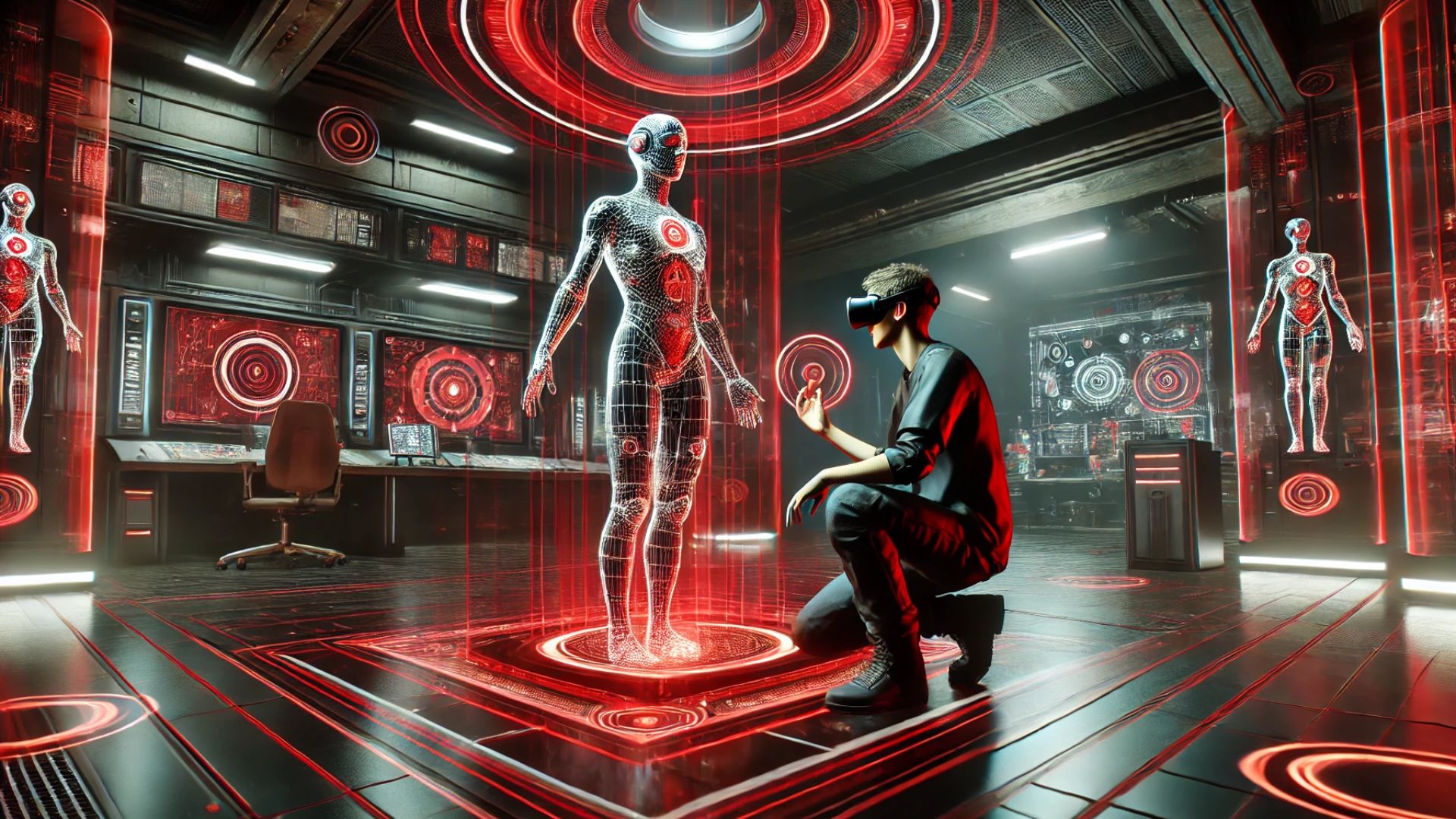
The Future Of Ai In Vr
Author: Elisha Roodt
Sharing the best of Virtual Reality Durban with local VR experiences, events, and immersive tech insights from Durban and KwaZulu-Natal.