How Virtual Reality Enhances Exercise by Sensing Emotions
Virtual reality (VR) has become more than just a tool for gaming or entertainment. As technology continues to evolve, VR is making significant...
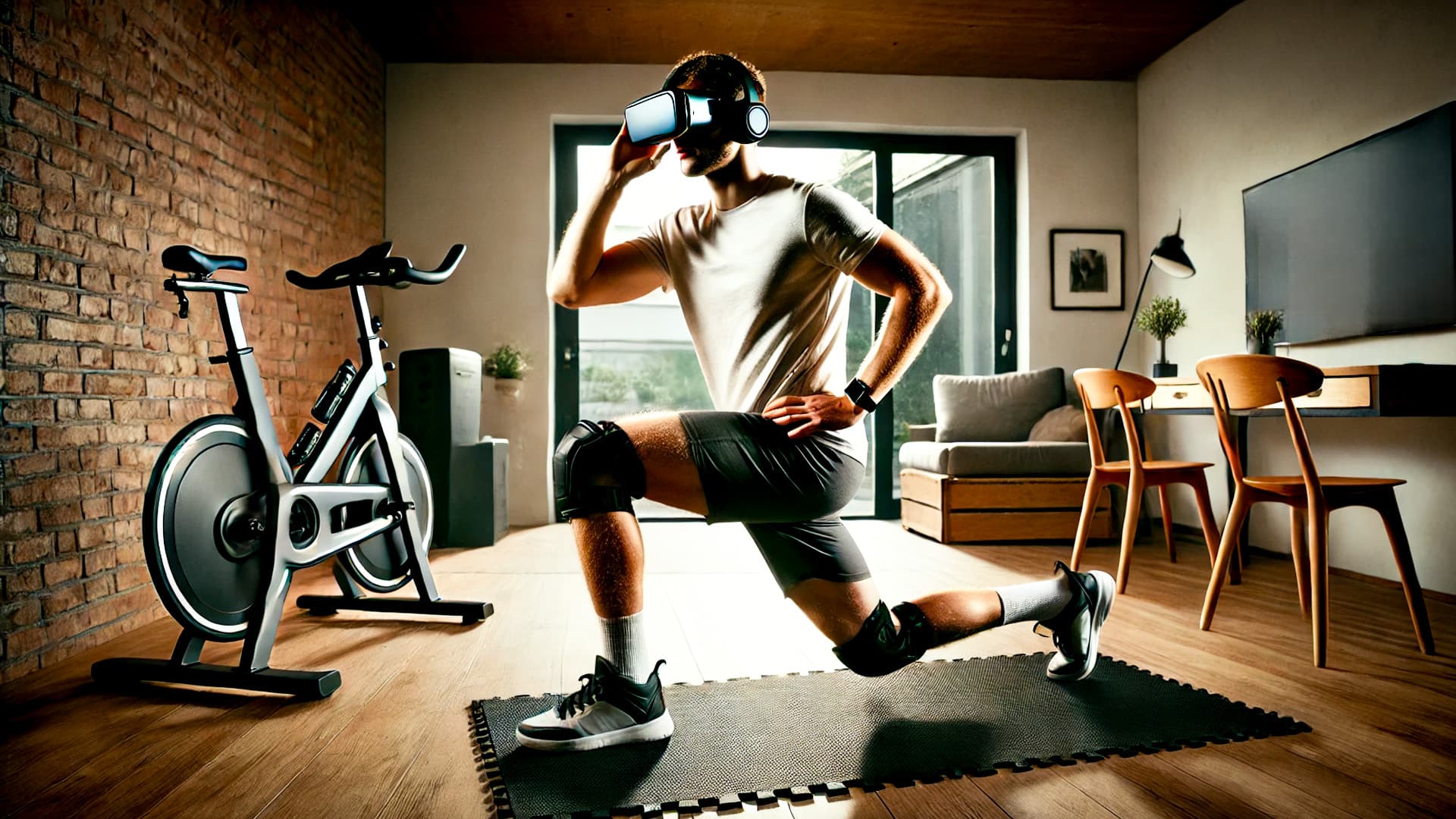
Virtual reality (VR) has become more than just a tool for gaming or entertainment. As technology continues to evolve, VR is making significant strides in diverse industries, especially in fitness. By immersing users in digital environments and now combining that experience with emotional engagement, VR is transforming the way we approach exercise. It’s not just about physical exertion anymore—it’s about creating meaningful connections between body, mind, and emotion, which in turn, leads to more effective and personalized workout routines.
Overview of the Growing Role of Virtual Reality in Fitness
The integration of VR into fitness has seen a surge in recent years, largely driven by the need for more interactive and engaging workout experiences. Unlike traditional forms of exercise, which can often feel monotonous, VR offers a dynamic and immersive environment that encourages participants to push their limits. Whether it's boxing in a futuristic arena or cycling through picturesque landscapes, VR fitness taps into our desire for novelty and excitement. The capability of VR to transport users to any environment while performing physical exercises is rapidly redefining the fitness landscape.
The Importance of Emotional Engagement in Exercise
While physical exertion remains at the core of fitness, emotional engagement is proving to be just as important. Emotional states heavily influence motivation levels, the perception of effort, and overall satisfaction with a workout. When individuals are emotionally invested in their activities, they are more likely to stick with them. VR fitness, by sensing and responding to emotions, can deepen this emotional connection, creating workouts that feel more rewarding on both a physical and psychological level. This synergy between emotional engagement and physical effort is the future of fitness.
The Science Behind Virtual Reality in Exercise
How VR Technology Works in Fitness
Virtual reality fitness works by placing users in computer-generated environments where they can engage in various forms of exercise. This immersive experience is made possible by VR headsets that track head and body movements, allowing users to interact with virtual objects and spaces in real time. Paired with hand controllers and sometimes even full-body tracking, VR workouts can simulate everything from weightlifting to dance routines, all within a safe, controlled environment. The result is an interactive workout that feels more like play than exercise.
Emotional Connection: Why It Matters in Workouts
The emotional connection in exercise is often overlooked but plays a critical role in determining the success of a workout regimen. When users feel connected to the activity, they experience greater motivation and reduced perceived exertion. In the realm of VR fitness, this emotional engagement is amplified by the immersive nature of the experience. The virtual world can mirror or even manipulate emotions, enhancing feelings of accomplishment, excitement, or calmness, depending on the workout goal.
Combining Physical Effort with Virtual Experiences
One of the most appealing aspects of VR fitness is its ability to merge physical activity with rich, multi-sensory virtual experiences. Instead of staring at a treadmill’s timer, users can find themselves racing through a forest, scaling a mountain, or sparring with a virtual opponent. This combination of physical exertion and captivating visuals leads to workouts that feel less like labor and more like an adventure, significantly boosting engagement and enjoyment.
Sensing Emotions: The Next Step in Personalized Fitness
The Role of Biometric Sensors in Virtual Reality
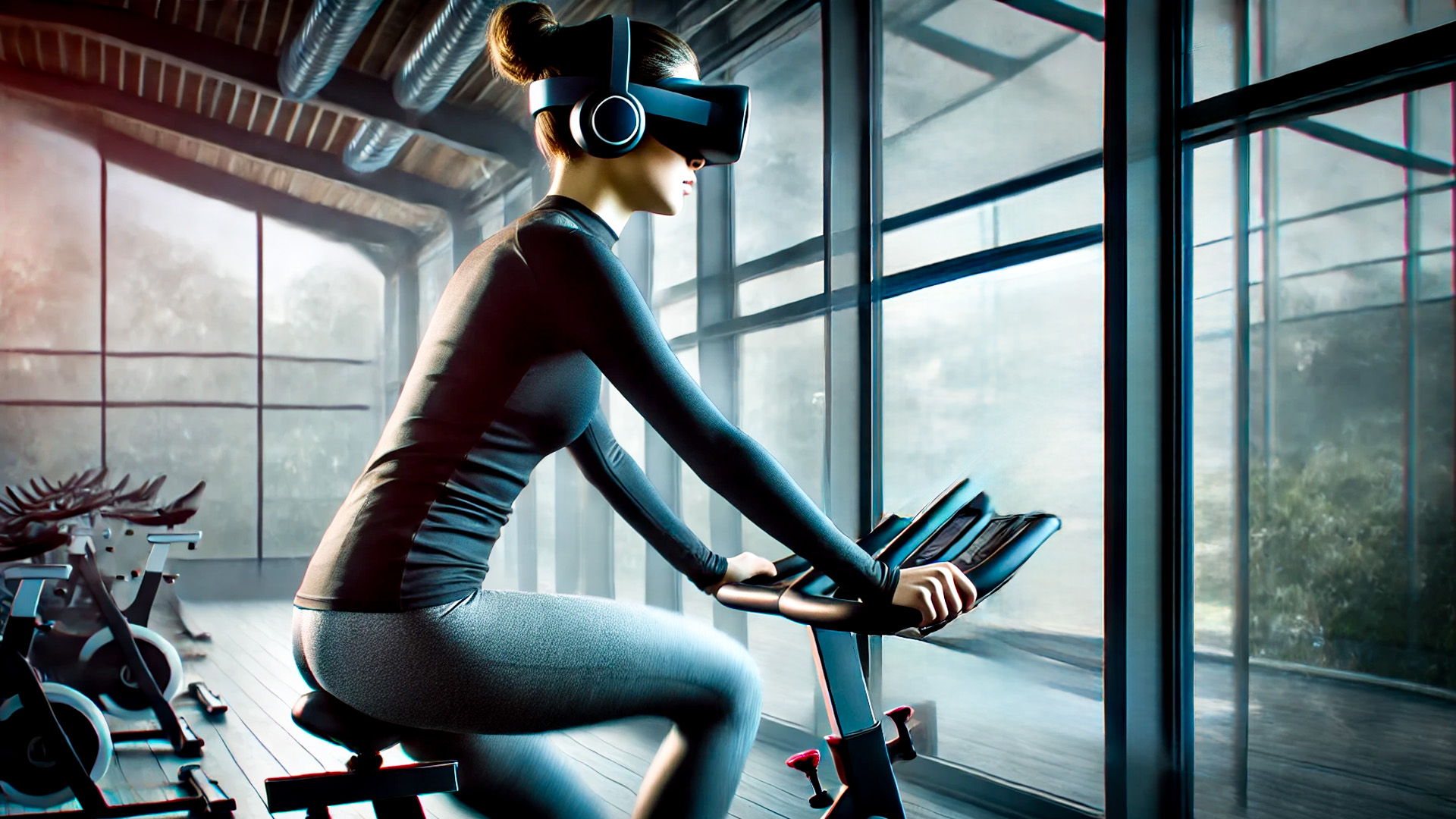
The key to personalized VR fitness lies in its ability to sense and respond to users' emotions. This is made possible by biometric sensors, which track physiological indicators such as heart rate, skin temperature, and even brain activity. These sensors detect subtle changes in a user’s emotional state, feeding real-time data back to the system. VR platforms can then adjust the workout’s intensity, pace, or even environment based on how the user feels.
Real-Time Emotional Feedback: What It Is and Why It’s Powerful
Real-time emotional feedback is a game-changer in personalized fitness. By continuously monitoring emotional responses, VR systems can dynamically adapt to ensure users remain in the optimal emotional and physical state for their workouts. If the system senses frustration, it may adjust to a more calming environment, or if motivation wanes, it can introduce a challenge to reignite interest. This feedback loop allows for workouts that are not only personalized but also finely tuned to the user's mental and emotional state, leading to greater effectiveness and enjoyment.
How Emotional Data Is Used to Adapt Workout Intensity
Emotion-sensing technology enables VR workouts to be both reactive and proactive. By monitoring stress levels or signs of fatigue, VR systems can lower the intensity of a workout to prevent burnout. Conversely, when users are calm or highly motivated, the system may increase difficulty, helping them push their limits without feeling overwhelmed. This intelligent adaptation makes it possible to create bespoke workout experiences that cater to an individual’s unique emotional and physical needs.
Enhancing Motivation and Engagement Through Emotion Sensing
Boosting Motivation by Tracking Emotional States
Motivation in fitness is a fragile thing, easily disrupted by boredom or fatigue. However, by tracking emotional states, VR systems can actively work to sustain motivation. For example, if sensors detect waning enthusiasm, the VR environment might shift to something more visually stimulating or introduce new challenges that reengage the user. In this way, emotional sensing ensures that users remain engaged and motivated throughout their workouts, ultimately leading to better adherence and results.
Emotional Connection to Virtual Environments
The strength of VR fitness lies in its immersive nature. Users form emotional connections to the virtual environments they interact with, which in turn affects their workout performance. A serene forest might evoke calm and focus, while a competitive sports arena could fuel adrenaline and intensity. By tailoring virtual environments to the user’s emotional state, VR fitness creates a workout atmosphere that feels both natural and deeply engaging.
Using Real-Time Feedback to Prevent Burnout
Burnout is a common problem in fitness, often stemming from overtraining or lack of variety. Real-time emotional feedback in VR fitness can detect early signs of stress or fatigue and adjust the workout accordingly. Whether it’s by dialing down intensity or introducing a recovery phase, the system ensures that users are always working within their limits, promoting long-term sustainability and preventing the mental and physical toll of burnout.
Creating Personalized Workouts with Virtual Reality
Tailoring Workout Intensity Based on Emotional Feedback
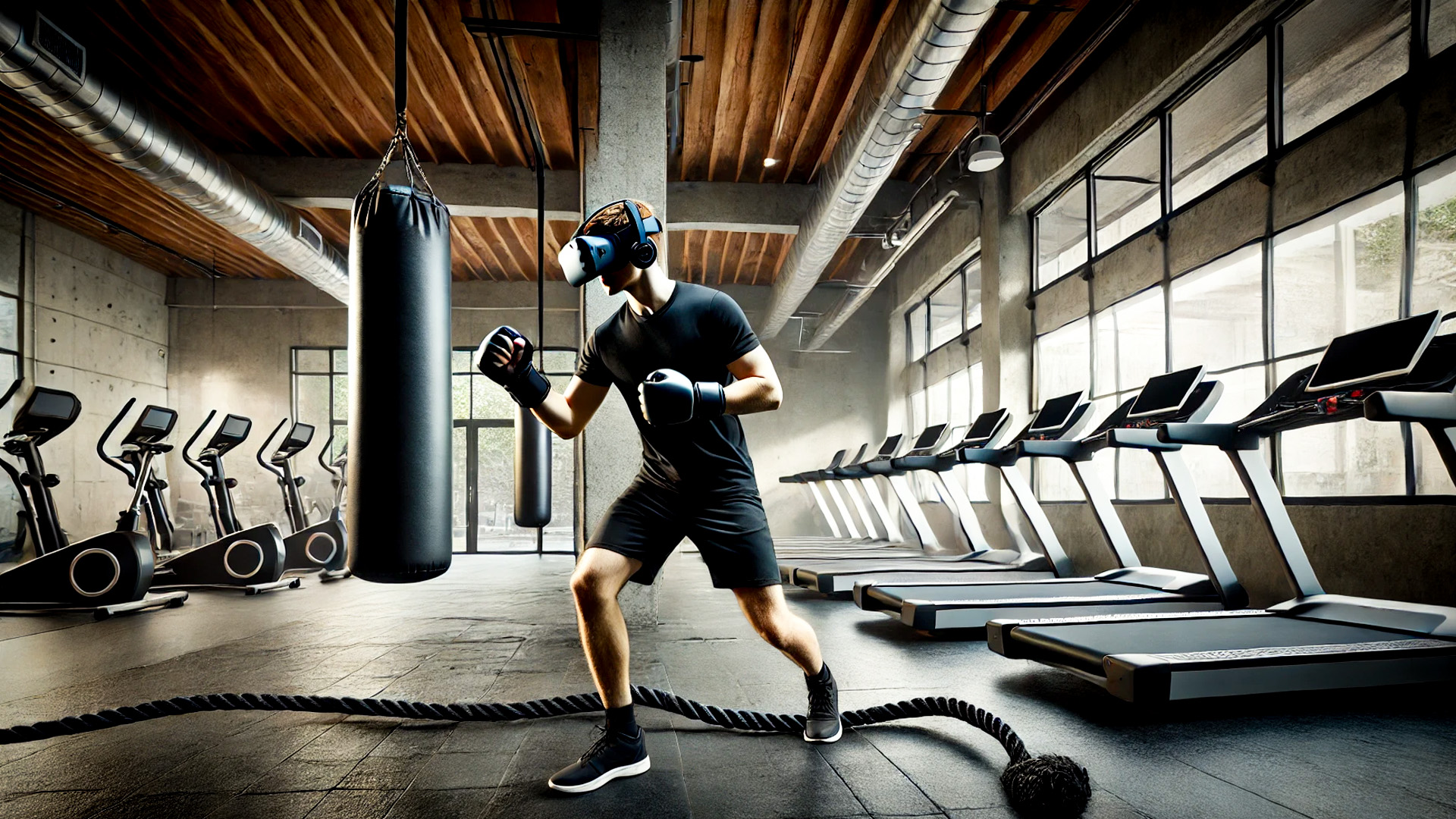
One-size-fits-all workouts are becoming a thing of the past, thanks to emotion-sensing VR technology. By analyzing emotional feedback in real time, VR systems can personalize workout intensity for each individual. If a user feels highly motivated, the system might increase resistance or speed, pushing them to achieve more. Conversely, if emotions indicate stress or fatigue, the system can ease the workout, ensuring a balanced approach that maximizes both performance and recovery.
Adapting Virtual Environments to Match Mood
Just as music can influence mood during a workout, virtual environments can have a similar effect. VR fitness systems are now capable of adapting the virtual surroundings based on the user’s mood. For instance, if a user feels anxious, the system might switch to a calming environment like a beach or forest. On days when users need extra motivation, the environment might transform into a high-energy space filled with challenges. This ability to adapt creates a more harmonious and enjoyable workout experience.
Personal Trainers Meet AI: Integrating Emotional Sensing
In the near future, we may see AI-powered virtual personal trainers who can not only guide users through workouts but also respond to their emotional states. These AI trainers, integrated with emotion-sensing technology, could provide encouragement when users need it most, suggest modifications when they feel fatigued, or push them harder when they’re capable of more. This level of personalization will revolutionize the trainer-client dynamic, offering tailored advice and support at every stage of the workout.
The Benefits of Emotion-Sensing Virtual Reality for Fitness
Higher Levels of Engagement and Motivation
One of the most significant benefits of emotion-sensing VR fitness is the increased engagement it fosters. By responding to users' emotions, VR workouts feel more personal, enjoyable, and immersive. This higher level of engagement naturally leads to greater motivation, as users are constantly challenged at the right moments and rewarded with satisfying experiences.
Stress Reduction Through Emotional Adaptation
Exercise is often seen as a way to relieve stress, but for some, high-intensity workouts can have the opposite effect. Emotion-sensing VR fitness addresses this by adapting to the user’s emotional state, ensuring that stress levels are kept in check. Calming environments, adjusted intensity, and mindful pacing all contribute to a stress-reducing workout experience that enhances both mental and physical well-being.
Improved Workout Outcomes and Personal Goals
By creating workouts that are finely tuned to both physical and emotional states, VR fitness allows users to achieve their goals more efficiently. Whether the aim is weight loss, muscle gain, or simply staying active, the personalized nature of these workouts ensures that each session contributes meaningfully to long-term success. Emotion-sensing technology keeps users on track, preventing burnout, maximizing motivation, and helping them reach personal milestones faster.
Case Studies: How VR and Emotion Sensing Are Changing Fitness
Real-World Applications of VR Fitness Solutions
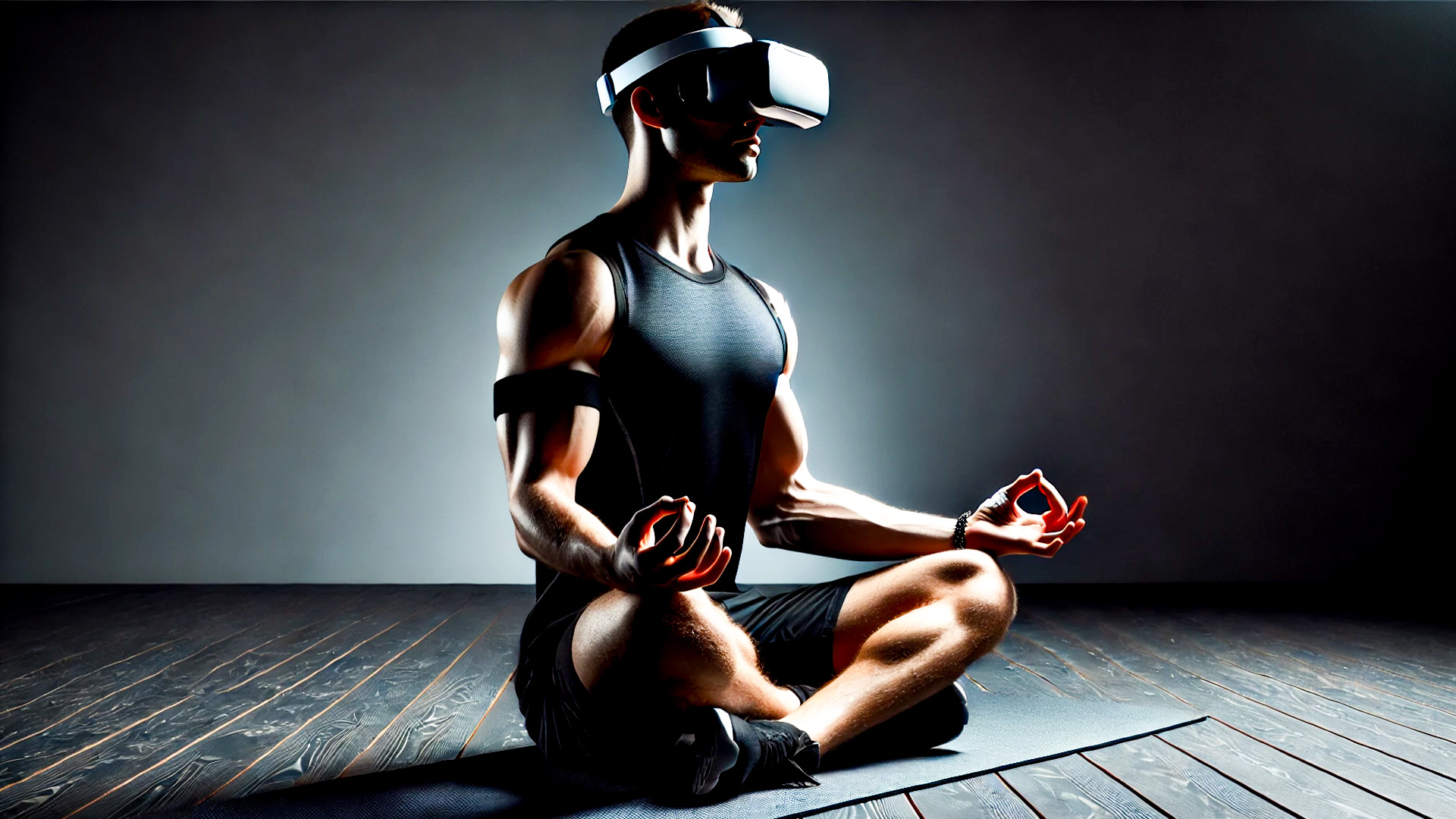
In recent years, several fitness companies have begun integrating VR with emotion-sensing technology to deliver more personalized workout experiences. These systems are being used in gyms, at-home setups, and even rehabilitation centers, where emotional and physical feedback is crucial for tailored progress. The applications span across a variety of fitness disciplines, from yoga to high-intensity interval training (HIIT).
Success Stories of Athletes and Everyday Users
Athletes, in particular, have found success using VR fitness to push their performance to new heights. By tailoring workouts to their emotional and physical needs, they can train more efficiently, recovering faster and avoiding overtraining. Everyday users are also seeing the benefits, as VR fitness makes exercise more enjoyable and sustainable, even for those who struggle with motivation in traditional gym environments.
How VR Gyms Are Utilizing Emotion-Sensing Technology
A number of VR gyms are now leveraging emotion-sensing technology to offer members a truly personalized fitness experience. These gyms combine the latest in biometric tracking with VR environments, allowing users to receive real-time feedback and modifications during their workouts. The result is a fitness environment where members feel supported, engaged, and empowered to reach their goals.
The Future of Virtual Reality Fitness
Emerging Technologies in Emotion-Sensing for Exercise
As emotion-sensing technology becomes more advanced, the future of VR fitness looks incredibly promising. Next-generation sensors will provide even more accurate emotional feedback, offering deeper insights into user experiences. This could lead to even more precise workout adaptations, making every session as effective and enjoyable as possible.
What to Expect from the Next Generation of VR Fitness Tools
The next wave of VR fitness tools will likely incorporate not only emotional data but also other physiological markers, creating a holistic approach to fitness. This combination of physical and emotional tracking will offer users an unparalleled level of personalization. Expect tools that seamlessly integrate AI, machine learning, and biometrics to deliver hyper-personalized fitness experiences.
How Emotional Fitness Might Redefine Personal Training
As emotion-sensing becomes a standard feature in fitness technology, personal training could be redefined. Trainers may shift from focusing solely on physical performance to integrating emotional health into workout plans. This holistic approach could lead to more balanced, sustainable fitness routines that cater to the mind and body equally.
Virtual reality fitness is not just about the physical—it's about connecting the mind, body, and emotions in a harmonious, engaging experience. By sensing and responding to emotions in real time, VR fitness creates personalized workout experiences that are more effective, enjoyable, and sustainable. As we look to the future, the role of emotion-sensing in fitness will only grow, offering new ways for individuals to achieve their personal health goals while keeping their emotional well-being in check. It’s time to explore the future of exercise—one where VR and emotion-sensing come together to transform fitness for the better.
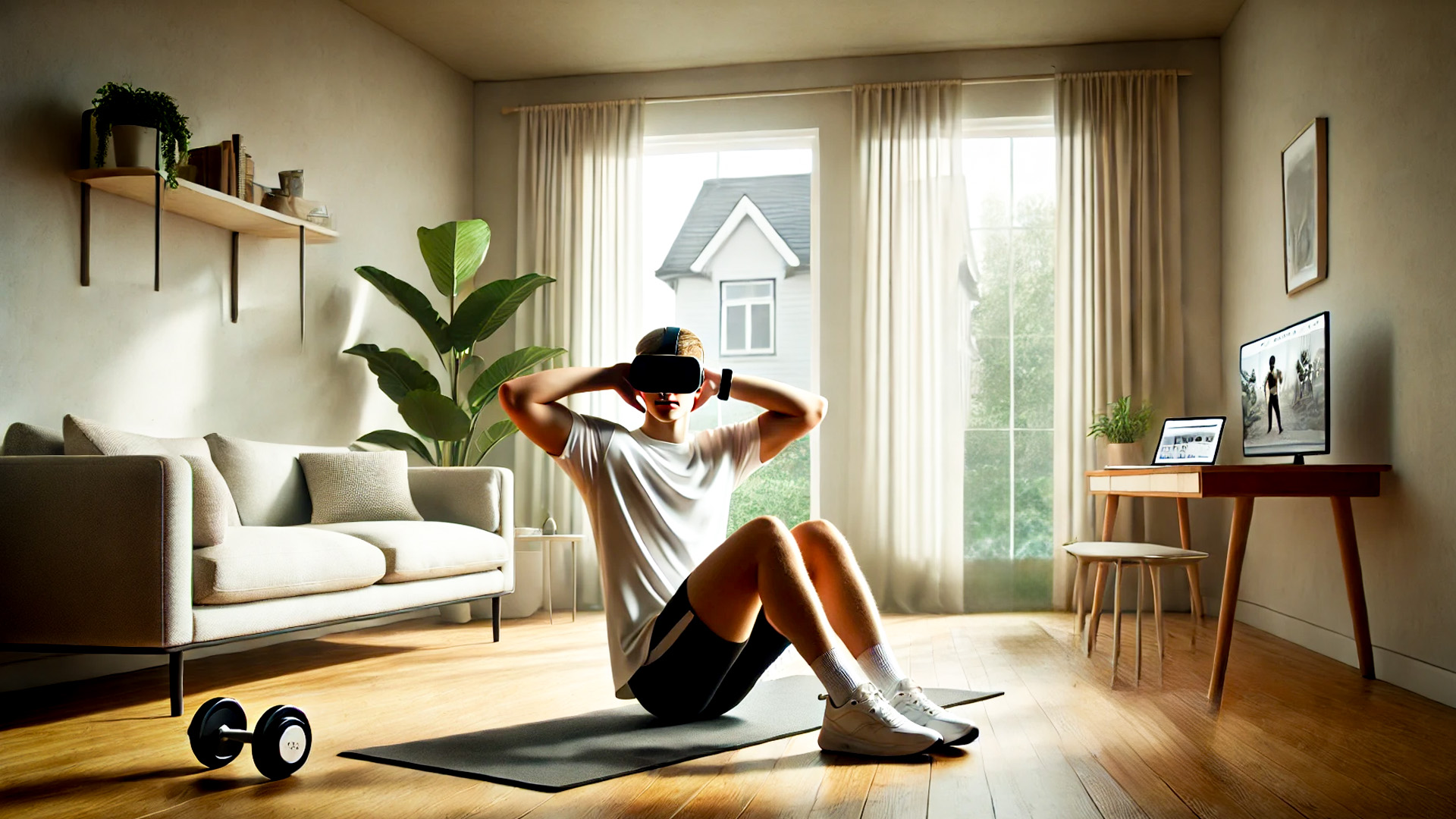
The Future Of Virtual Reality Fitness
Author: Elisha Roodt
Sharing the best of Virtual Reality Durban with local VR experiences, events, and immersive tech insights from Durban and KwaZulu-Natal.