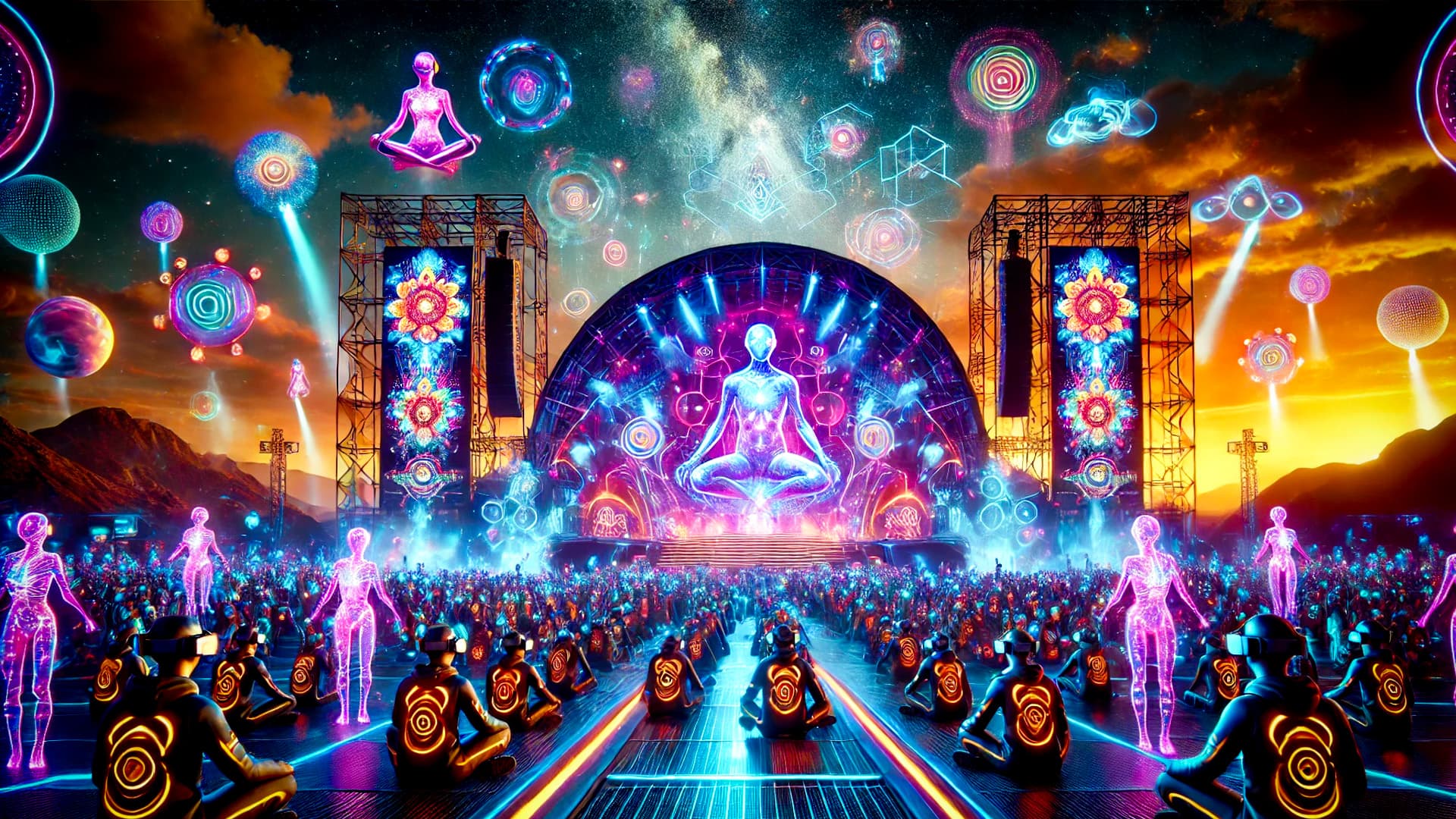
How Virtual Reality is Changing the Art and Music Scene
Virtual Reality (VR) represents a groundbreaking leap in technology, offering users the ability to immerse themselves in fully simulated...
Virtual Reality (VR) represents a groundbreaking leap in technology, offering users the ability to immerse themselves in fully simulated environments. By combining sophisticated graphics, spatial audio, and interactive elements, VR creates a sense of presence and engagement unlike any other medium. Unlike passive forms of media, VR allows users to interact within a space, whether that’s exploring a virtual world, participating in a concert, or walking through an art gallery. This deep immersion heightens emotional connections, transforming how individuals experience entertainment, education, and even social interaction. However, VR is not merely a tool for escapism; it has become a profound medium for creativity and innovation, offering new ways for people to express themselves and interact with their environments.
Art and music, traditionally rooted in physical experiences, are undergoing a dramatic transformation as they embrace digital possibilities. Historically, art was confined to galleries, and music to live venues, limiting access and reach. However, with the rise of digital technology, the way we experience creativity has expanded. VR is at the forefront of this transformation, allowing artists to craft interactive, multi-dimensional works that viewers can explore in real-time. Virtual art galleries can now showcase immersive 3D pieces, while musicians can host virtual concerts where attendees feel as though they’re physically present, even if they’re continents apart. This shift is democratizing access to creative works, making them accessible to a global audience without the constraints of physical space.
The future of artistic expression is increasingly intertwined with VR, which is opening new avenues for creativity and audience engagement. Artists are no longer bound by the limitations of traditional materials or physical space; they can create entire worlds, experiences, and performances that were previously unimaginable. This technological advancement is not just enhancing existing forms but also enabling entirely new forms of artistic expression, such as interactive storytelling, virtual performances, and spatial soundscapes. As VR continues to evolve, it will push the boundaries of what’s possible in the creative world, allowing artists to redefine the way they connect with their audiences, offering deeper, more immersive experiences. The fusion of art and technology through VR is a testament to the limitless potential of human creativity in the digital age.
Revolutionizing Art Exhibitions
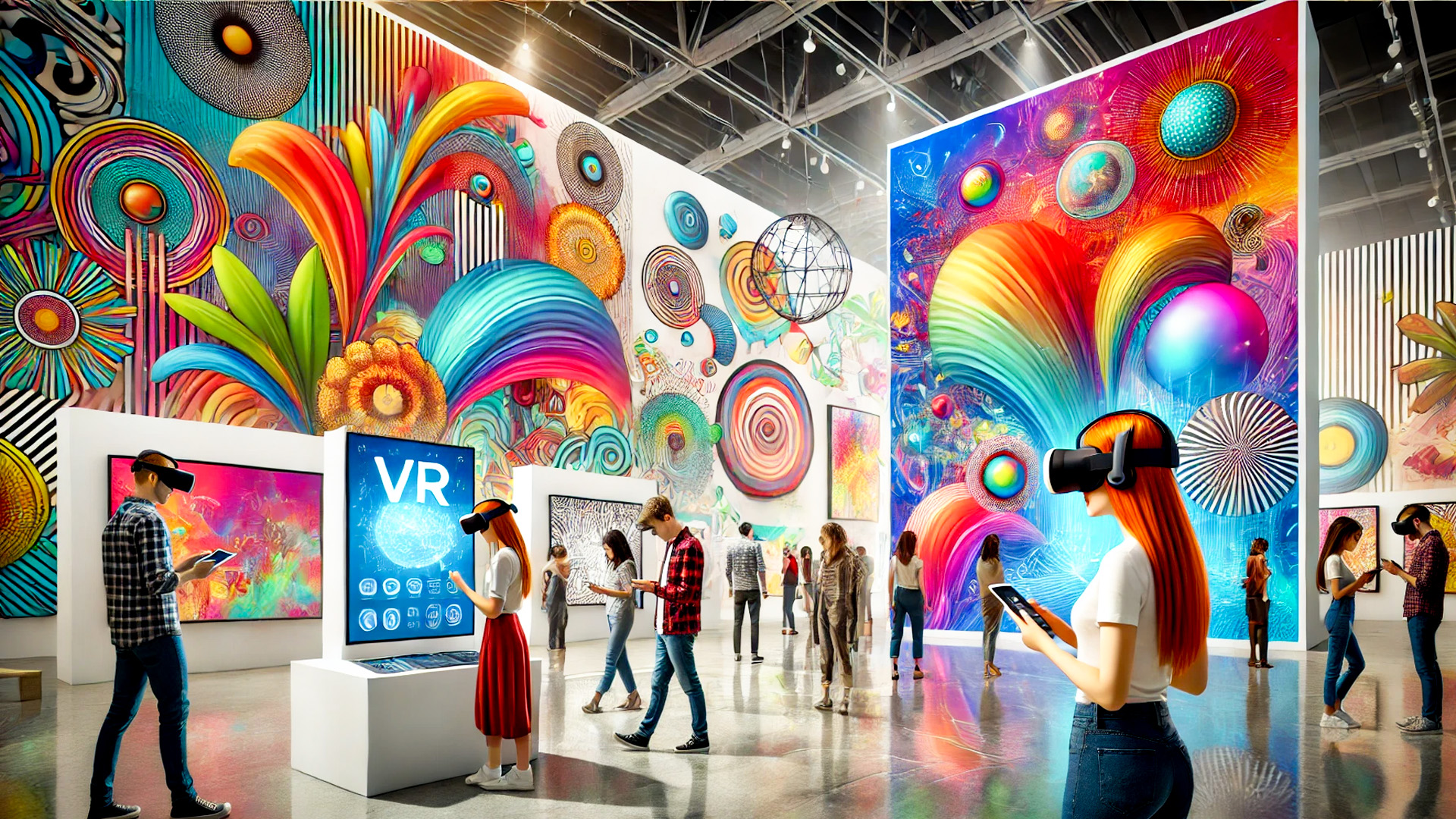
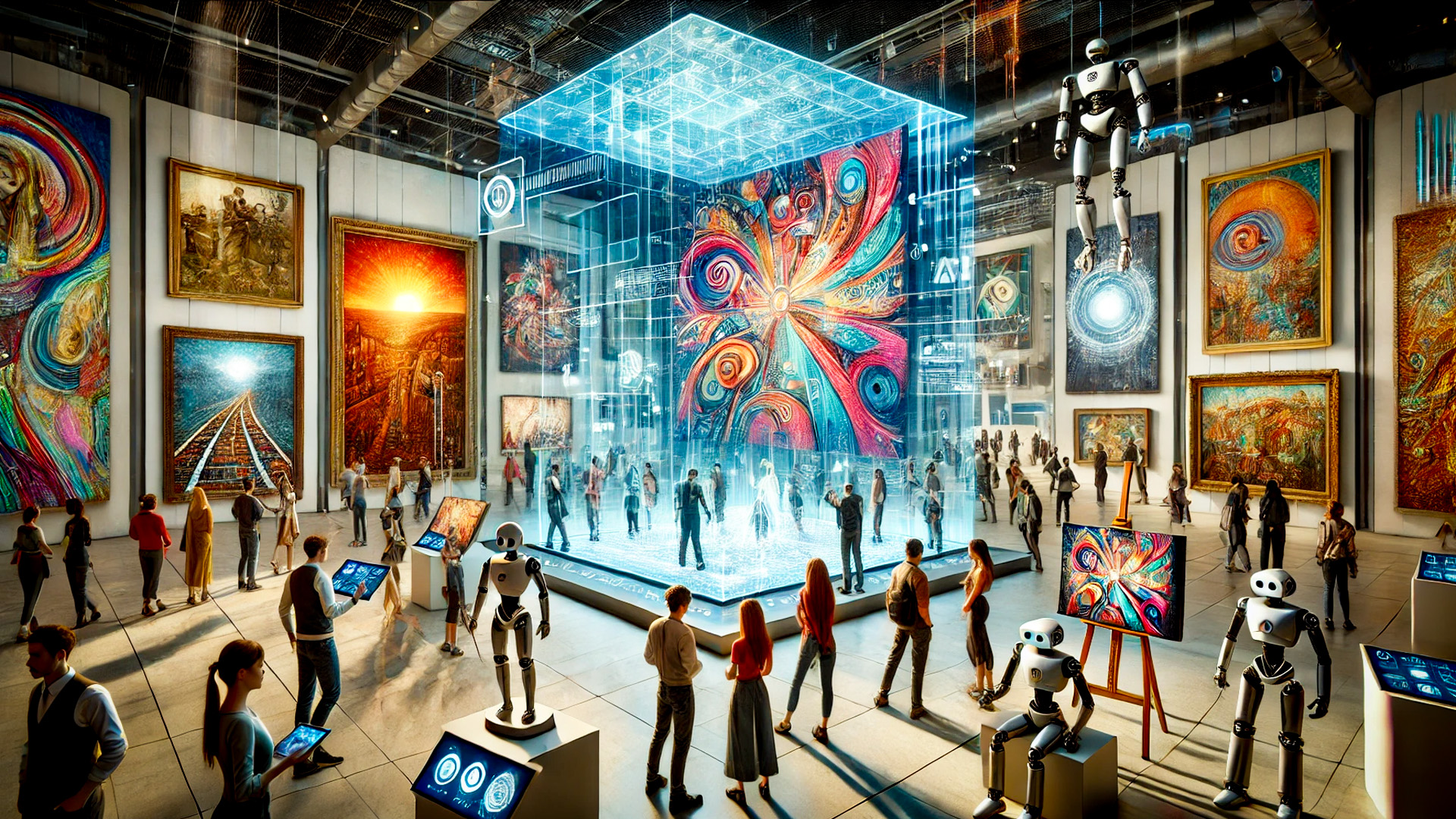
Immersive art installations are revolutionizing the way art is experienced by breaking down the barriers between the physical and digital realms. VR technology allows these installations to transcend traditional limitations, enabling visitors to step into fully realized, three-dimensional environments where they can explore, manipulate, and engage with the artwork on a deeper level. Rather than simply observing a painting or sculpture, viewers can now interact with it—walking through virtual landscapes, manipulating digital objects, or triggering changes in the artwork through their actions. This integration of VR creates dynamic, fluid spaces that challenge traditional perceptions of space and form, leading to a more intimate and engaging experience that is personalized for each visitor. The boundaries of what constitutes "art" are being expanded as technology invites a new form of creative expression.
Virtual art galleries are also expanding the accessibility of art to a global audience, removing the geographical and logistical constraints that physical galleries impose. Artists can now showcase their work in fully interactive, virtual spaces that viewers can access from anywhere in the world. These digital galleries offer an experience far beyond that of static online images; they often include virtual tours that guide users through the space as if they were walking through a real gallery, with options to view detailed close-ups of the art, watch artist interviews, and even engage with multimedia elements like sound and video. This immersive environment allows art to reach a broader, more diverse audience while maintaining the personal connection that physical spaces traditionally offer. As a result, art becomes more accessible and engaging, fostering global appreciation and dialogue.
Interactive art experiences facilitated by VR redefine how audiences engage with art, transforming passive viewers into active participants. These experiences encourage users to explore and influence the artwork in real-time, whether by changing the perspective, altering the colors, or even creating entirely new forms. This heightened level of interaction deepens the connection between the audience and the artwork, making the experience more personal and memorable. Visitors can uncover hidden layers, participate in collaborative creation, and explore artistic narratives in a way that static pieces of art simply cannot offer. VR-driven interaction not only makes the experience richer but also pushes the boundaries of creativity, leading to an evolving relationship between the artist, the audience, and the art itself.
Transforming Live Music Performances
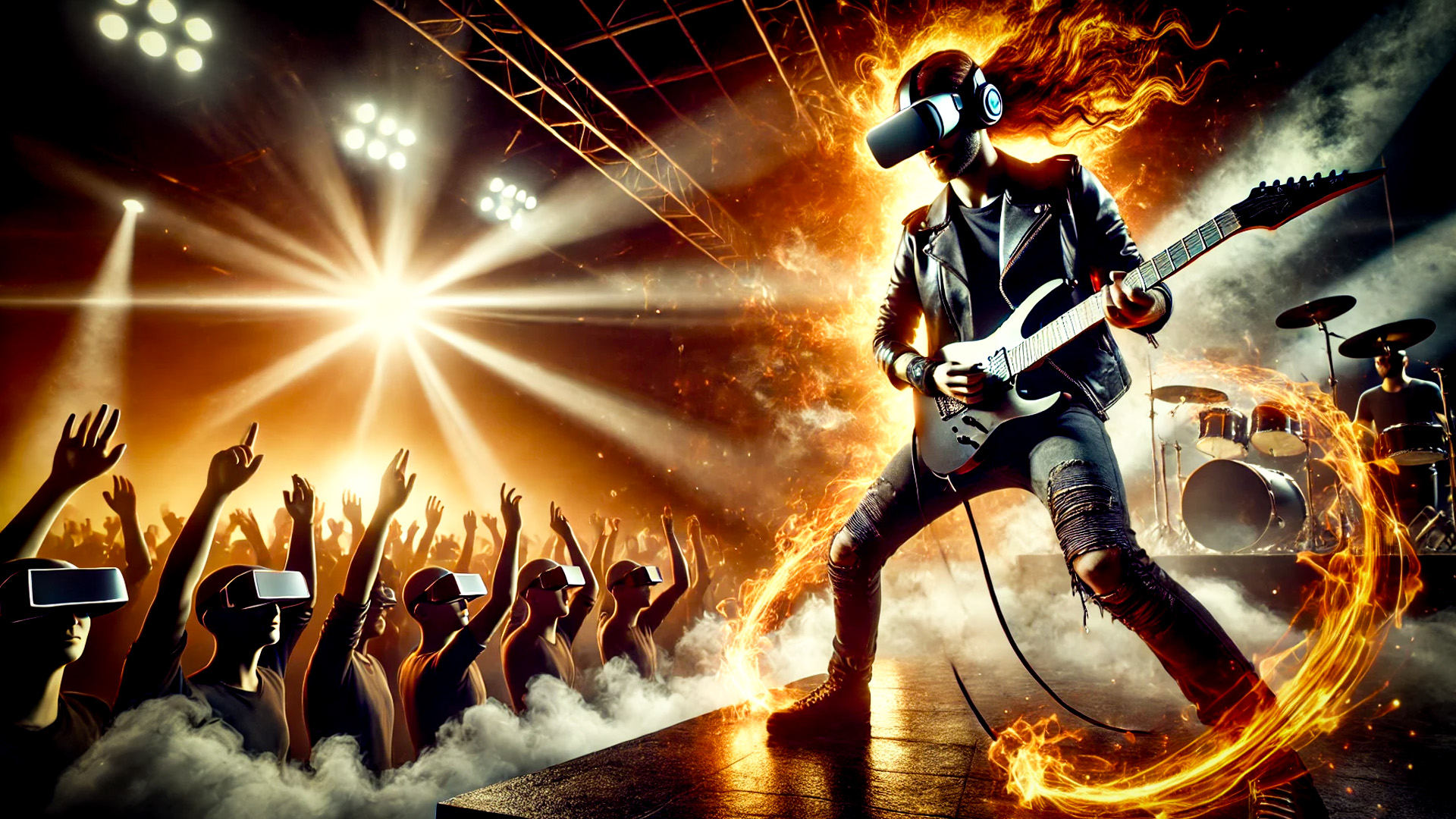
Virtual concerts are bridging the gap between local audiences and international performers, creating a new frontier for live music experiences. With VR, fans from any part of the world can attend live performances by global stars as if they were physically present in the venue, offering an unparalleled level of engagement. Unlike traditional live streams, which provide a one-dimensional view, VR concerts allow users to move through virtual spaces, choose their vantage points, and interact with other attendees, replicating the feeling of being in a crowd. Whether it’s an intimate acoustic set or a full-scale stadium show, VR technology transports viewers into the heart of the performance, making it accessible to those who would otherwise be unable to attend due to geographical or financial constraints. This innovation democratizes access to live music, bringing the magic of a concert experience to a global audience.
Immersive soundscapes created by VR technology are revolutionizing how music is experienced by taking audio to new sensory dimensions. Using 360-degree spatial sound, VR allows listeners to be enveloped in music, with each note and instrument placed in specific locations around them. This creates a depth and richness that immerses the listener in a three-dimensional sound environment, transforming the way music is heard. Instead of just hearing a song, VR users experience it—feeling the bass behind them, hearing the drums to the side, or the vocals floating directly in front. This immersive approach goes beyond the limitations of traditional stereo sound, providing a more dynamic and engaging listening experience. By placing the listener in the middle of the music, VR makes it possible to explore songs in ways that were previously unimaginable.
Virtual jam sessions are fostering new forms of collaborative music creation, breaking down the barriers imposed by geography. Musicians from different parts of the world can come together in a virtual environment, playing instruments, sharing ideas, and composing music as if they were physically in the same room. This virtual collaboration is opening up creative possibilities, enabling artists to collaborate in real-time regardless of their location. With the ability to see and hear each other, musicians can engage in spontaneous jam sessions, experiment with new sounds, and build on each other’s ideas in ways that weren’t possible before. This global creative synergy enhances the artistic process, allowing for innovative collaborations that stretch across cultures and genres, ultimately pushing the boundaries of music creation and performance.
Empowering Artists and Musicians
VR is providing new mediums for artistic expression, allowing artists to explore digital creativity in unprecedented ways. With VR, artists can break free from the constraints of physical materials, experimenting with virtual sculpting, painting, and interactive installations. These digital tools enable artists to create immersive, multi-sensory experiences that would be impossible in traditional forms. For instance, a virtual sculpture can defy gravity, or a painting can change based on a viewer’s movements. This freedom to push the boundaries of form, space, and interactivity allows for entirely new creative possibilities, encouraging artists to think beyond the canvas or sculpture and embrace a multidimensional, evolving art form. The limitless potential of VR offers artists fresh opportunities for creative exploration, where imagination is the only limit.
Virtual platforms are also enhancing the visibility of artists by providing new avenues for showcasing talent. Unlike traditional galleries or performance venues, which may be limited by location, space, or resources, virtual exhibitions and performances can be accessed by anyone with an internet connection. This expanded reach allows artists to present their work to global audiences, dramatically increasing exposure. Artists no longer have to rely on gallery representation or booking live venues; they can independently curate virtual shows or concerts, reaching fans and collectors from all over the world. In addition to broadening their audience, these virtual platforms create opportunities for new forms of engagement and interaction. Artists can provide virtual tours, answer questions in real-time, or offer interactive elements that allow audiences to engage more deeply with the work, leading to a more personal and immersive experience.
Enhancing artistic communities through VR fosters networking and collaboration, creating vibrant digital spaces where artists and musicians can connect, share ideas, and work together in ways that were previously unimaginable. These virtual spaces function as meeting grounds for creatives from diverse backgrounds and locations, encouraging cross-disciplinary collaborations that spark innovation. Artists can now collaborate on projects in real-time, regardless of geographic barriers, combining their unique skills to create something entirely new. This sense of community promotes shared creativity and mutual growth, transforming VR into not only a tool for individual expression but also a platform for collective artistic evolution. As artists collaborate and support one another in these virtual environments, they contribute to a dynamic, ever-evolving artistic landscape that continually pushes the boundaries of creativity.
Innovating Music Education and Training
Virtual music lessons are transforming music education by making it more accessible and flexible for students across the globe. No longer confined to local instructors or music schools, students can now receive high-quality instruction from renowned teachers, regardless of their geographic location. This breaks down the barriers that previously limited access to exceptional music education, democratizing learning opportunities for all. Virtual lessons also offer unparalleled flexibility, allowing students to schedule sessions that fit their individual needs and preferences, whether they are full-time students, working professionals, or have other commitments. Personalized learning experiences are easier to achieve, as instructors can tailor lessons to each student’s unique pace and goals, offering a level of customization that traditional in-person lessons often cannot match.
Interactive training tools in VR are revolutionizing the way students practice and prepare for real-world musical performances. These tools create immersive environments that simulate various practice settings, such as concert halls, recording studios, or even small gigs, enabling students to familiarize themselves with different performance scenarios. This type of simulated experience enhances the learning process by providing realistic challenges and environments in which to develop stage presence and overcome performance anxiety. The ability to practice in a virtual space not only makes students more comfortable and confident when faced with actual performance situations but also allows them to hone specific skills in controlled, repeatable conditions.
Advanced skill development through VR offers students detailed simulations and virtual practice spaces, providing a cutting-edge approach to mastering complex techniques. By engaging in intricate exercises within a fully immersive environment, students can work on aspects of their playing that are often difficult to replicate in traditional learning settings. For example, they can receive real-time feedback on their posture, finger positioning, or timing, enabling them to refine their technique with precision. These advanced VR tools can track progress, offer corrections, and provide immediate insights, accelerating the learning curve for musicians at all levels. This immersive, hands-on approach to music education supports faster development of advanced skills, giving students the tools they need to excel in their musical journey.
Reimagining Art and Music Festivals
Virtual festivals are revolutionizing the way cultural events are experienced, offering digital access that transcends geographical limitations. Attendees can now enjoy art and music festivals from anywhere in the world, making these events more inclusive and accessible than ever before. Virtual festivals typically feature interactive elements like live chats, virtual performances, and digital art exhibitions, creating a dynamic environment where users can explore and engage with the content at their own pace. By providing a rich, immersive experience online, virtual festivals break down barriers for people who may not have the means to travel or attend in person, fostering a global celebration of art and culture. These events open up new opportunities for both artists and audiences, allowing for a more expansive, connected cultural exchange.
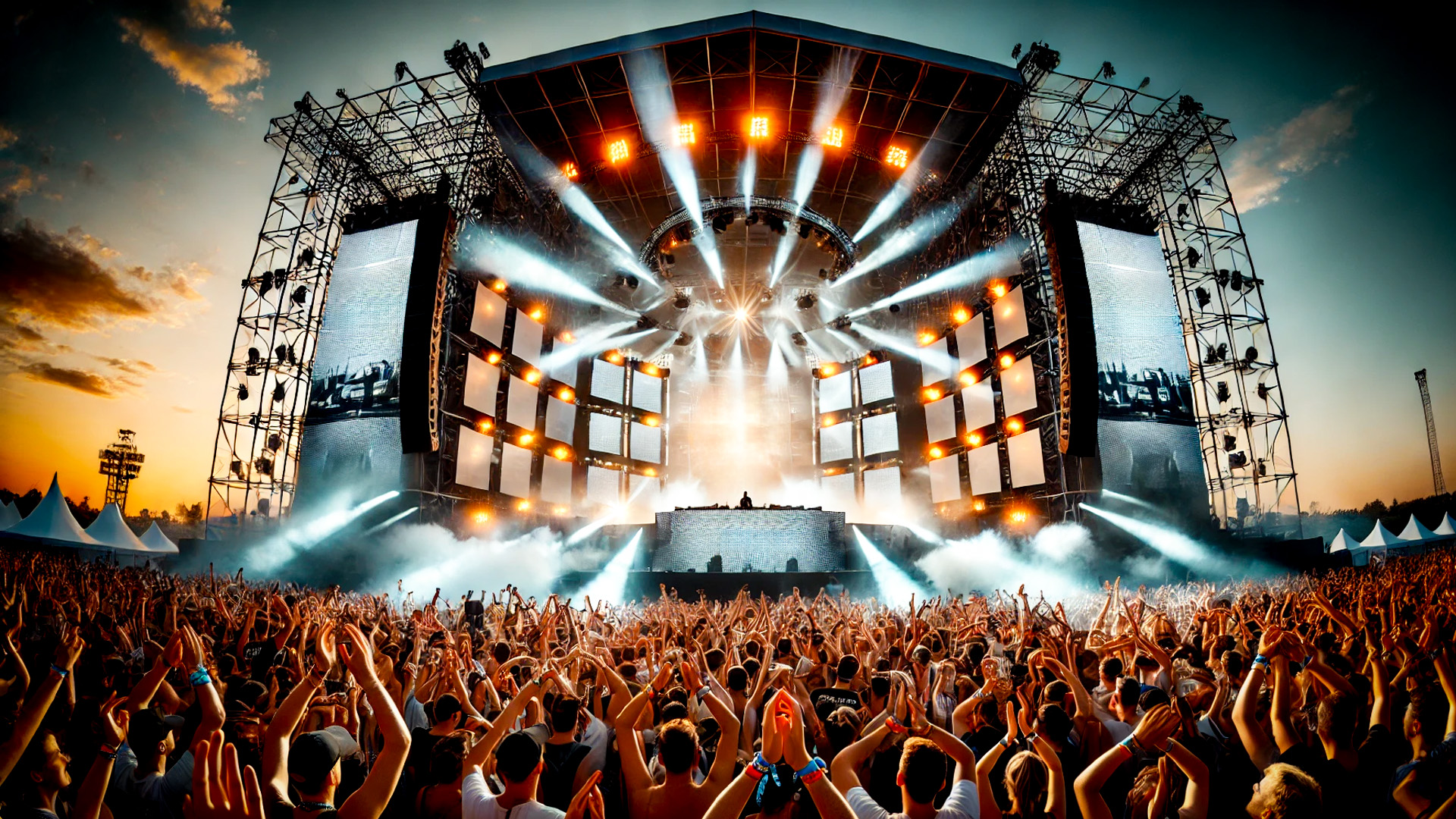
Hybrid event models are emerging as the future of festivals, merging physical and digital experiences to offer greater flexibility. This model gives attendees the option to participate in-person or virtually, depending on their preferences or circumstances. By blending the energy and immediacy of live events with the accessibility and interactivity of digital platforms, hybrid festivals offer the best of both worlds. Digital attendees can access exclusive online features such as behind-the-scenes content, artist interviews, and virtual meet-and-greets, while physical attendees can enjoy the atmosphere and direct engagement of the live event. This approach not only enhances the festival experience but also expands the reach of these events, allowing them to cater to a much wider audience while maintaining the vibrancy of in-person interactions.
Case studies of successful VR integration in festivals demonstrate the transformative potential of this technology for cultural events. Festivals that have embraced VR have seen a significant boost in audience engagement, with interactive virtual environments offering new ways for attendees to participate. VR has enabled these festivals to reach broader, more diverse audiences, particularly those who may not have attended in person due to distance or other limitations. Additionally, innovative event formats—such as virtual reality stages or immersive art exhibits—have allowed festivals to experiment with new forms of expression, providing fresh, exciting experiences for attendees. These success stories serve as a blueprint for the future of cultural celebrations, showcasing how VR can enhance and elevate the festival experience while broadening its impact and accessibility.
Challenges and Future Directions
Navigating the technical and financial hurdles of VR is one of the key challenges for broader adoption in the art and music industries. The high costs associated with VR equipment, including headsets, specialized software, and high-performance computers, can be prohibitive for individual artists and smaller organizations. These financial constraints limit access to VR technology, making it difficult for many creatives to experiment with or incorporate it into their work. Moreover, technical challenges such as compatibility issues across different devices, inconsistent software support, and hardware limitations further complicate the seamless integration of VR into existing artistic workflows. Addressing these barriers requires not only technological advancements but also the development of affordable solutions and widespread education on how to utilize VR effectively.
Overcoming resistance to technological change is another significant hurdle in embracing VR’s potential. Many artists, musicians, and organizations may be hesitant to adopt VR due to a lack of familiarity with the technology or concerns about it replacing traditional forms of expression. However, as VR technology becomes more accessible and its creative possibilities become more evident, this resistance is likely to diminish. Promoting the advantages of VR—such as the ability to create immersive, interactive experiences—and offering resources, workshops, and support for its adoption can help ease the transition. By emphasizing how VR complements rather than replaces traditional art forms, the industry can encourage more artists and musicians to explore its potential and incorporate it into their practice.
Future trends point to continued growth and innovation in VR’s impact on art and music, with emerging technologies such as AI, haptic feedback, and augmented reality likely to play a key role. As VR capabilities evolve, new opportunities for creativity and audience engagement will emerge, driving further advancements in how we experience art and music. For example, AI-powered VR could enable personalized, real-time interactions with virtual artworks, while haptic feedback could enhance the tactile experience of virtual installations. Embracing these trends will ensure that art and music continue to evolve alongside technological innovation, allowing artists and musicians to push creative boundaries and keep audiences captivated in the digital age.
Embracing the VR Revolution
Virtual Reality (VR) is revolutionizing the creative landscape, opening up unprecedented opportunities for artistic expression and audience engagement. In the realms of art and music, VR is not just an add-on; it is becoming a transformative tool that reshapes how we create, share, and experience creative works. By offering immersive environments, interactive elements, and enhanced sensory experiences, VR allows artists and musicians to push the boundaries of traditional mediums, creating works that go beyond the physical world and into new, digital dimensions.
For artists, VR offers a limitless canvas. Digital sculpting, painting, and 3D modeling allow creators to experiment with forms and techniques that would be impossible in the physical realm. This shift encourages innovation, as artists explore new methods of storytelling and expression. In music, VR creates immersive soundscapes where listeners can experience performances as if they were in the room with the musicians, adding depth and interactivity to live shows. Audiences can virtually “walk through” art exhibits, attend concerts from their living rooms, or even interact with artworks and performances in real time, making creativity more engaging and accessible than ever before.
As VR technology continues to evolve, it will drive further growth and transformation within the creative industries. With advancements like real-time collaboration, haptic feedback, and AI integration, artists and musicians will have more powerful tools to create, share, and innovate. This ongoing evolution promises not only to enhance current creative practices but also to introduce entirely new forms of artistic and musical expression. The future of creativity in VR is bright, presenting exciting opportunities for artists, musicians, and audiences to explore the boundaries of imagination and innovation. In this new era, VR is set to redefine the limits of what is possible, making the creative process more dynamic and accessible to all.
Embracing The Vr Revolution
Author: Elisha Roodt
Sharing the best of Virtual Reality Durban with local VR experiences, events, and immersive tech insights from Durban and KwaZulu-Natal.