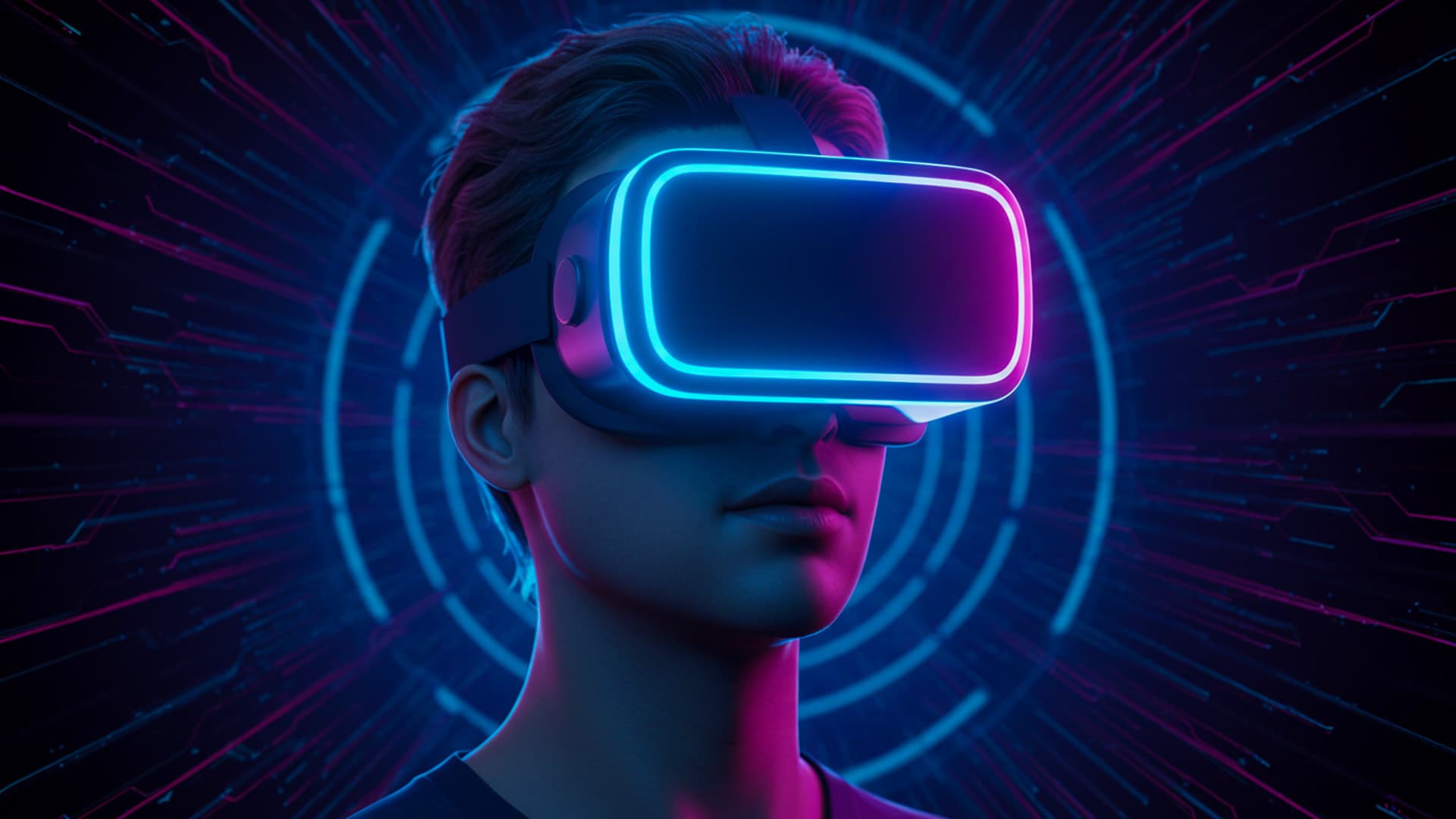
VR & AR in the Metaverse 2025
Explore how innovative VR and AR technologies are driving the evolution of the 2025 metaverse. Discover groundbreaking applications that redefine digital interaction and immersive experiences.
Navigating the Virtual Frontier: The Pivotal Role of VR and AR in the Evolving Metaverse
As we stride into 2025, the metaverse stands as a testament to human ingenuity, seamlessly blending the digital and physical realms. Virtual Reality (VR) and Augmented Reality (AR) have emerged as the twin pillars supporting this expansive virtual universe, transforming how we interact, work, and play. Imagine donning a headset and stepping into a bustling virtual marketplace where avatars from around the globe converge, or overlaying digital information onto your physical environment to enhance everyday tasks. This convergence of VR and AR technologies is not just reshaping the metaverse; it's redefining the very fabric of our reality.
The Technological Synergy Fueling Metaverse Expansion
Advanced VR Hardware Enhancing Immersive Experiences
The evolution of VR hardware has been nothing short of revolutionary. Modern headsets boast ultra-high-resolution displays and expansive fields of view, creating lifelike environments that blur the line between virtual and reality. Consider the leap from rudimentary goggles to sleek, lightweight devices equipped with haptic feedback systems that simulate touch, allowing users to "feel" virtual objects. This tactile immersion transforms gaming, education, and remote collaboration, making interactions within the metaverse more tangible and engaging than ever before.
The integration of eye-tracking technology and adaptive lenses in VR headsets personalizes the user experience. These advancements enable devices to adjust focus dynamically, reducing eye strain and enhancing visual clarity. Such innovations not only improve user comfort but also pave the way for more sophisticated applications, from virtual tourism to intricate design simulations, thereby broadening the metaverse's appeal and functionality.
AR Glasses Bridging the Digital and Physical Worlds
Augmented Reality glasses have become indispensable tools in the metaverse ecosystem, seamlessly overlaying digital content onto the physical world. Imagine walking through a historical site with AR glasses providing real-time information and interactive narratives about your surroundings. This fusion of digital augmentation with real-world contexts enriches our perception, making everyday activities more informative and entertaining.
The sophistication of AR glasses extends beyond mere display enhancements. With advanced sensors and spatial mapping capabilities, these devices can accurately anchor digital objects in the physical space, enabling sophisticated applications like virtual home staging or interactive educational models. This precise integration ensures that digital elements coexist harmoniously with the physical environment, fostering a more intuitive and immersive user experience within the metaverse.
Seamless Integration of AI and Machine Learning in VR and AR
Artificial Intelligence (AI) and Machine Learning (ML) are the unseen architects of the metaverse, driving personalization and interactivity in VR and AR environments. AI algorithms analyze user behavior and preferences to tailor virtual experiences, from customized avatars to dynamic virtual worlds that adapt in real-time. This level of personalization ensures that each user's journey through the metaverse is unique and engaging, fostering deeper connections and sustained engagement.
Machine Learning models enhance AR applications by improving object recognition and environmental understanding. This allows for more accurate and context-aware overlays, such as real-time language translation during virtual meetings or intelligent navigation aids in augmented tours. The symbiosis of AI and VR/AR technologies not only elevates user experiences but also enables the creation of more responsive and intelligent virtual environments, driving the metaverse's continuous evolution.

Transformative Applications of VR and AR in the Metaverse
Virtual Collaboration and Remote Work Revolution
The traditional workplace has undergone a dramatic transformation with the advent of the metaverse, where VR and AR facilitate immersive virtual offices. Imagine attending a meeting in a virtual boardroom with colleagues from across the globe, interacting with 3D models and collaborative tools in real-time. This paradigm shift enhances communication and productivity, breaking down geographical barriers and fostering a more inclusive and flexible work environment.
AR's role in remote work extends to real-time data visualization and task management. Workers can overlay project timelines, interactive charts, and virtual whiteboards onto their physical workspace, streamlining workflows and enhancing collaboration. These augmented tools not only improve efficiency but also create a more engaging and interactive work experience, driving innovation and teamwork within the metaverse.
Immersive Education and Training Environments
Education has been revolutionized by VR and AR, offering immersive learning experiences that transcend traditional classroom boundaries. Picture students exploring the human bloodstream in 3D, conducting virtual chemistry experiments without the constraints of a physical lab, or traveling back in time to witness historical events firsthand. These immersive educational tools foster deeper understanding and retention, making learning more interactive and engaging.
In professional training, VR and AR provide realistic simulations for high-stakes environments such as medical procedures, aviation, and emergency response. Trainees can practice complex tasks in a controlled virtual setting, allowing for repeated practice and immediate feedback without the risks associated with real-world training. This hands-on approach accelerates skill acquisition and enhances preparedness, ensuring that professionals are better equipped to handle real-life challenges.
Entertainment and Social Interaction Redefined
The entertainment landscape has been dramatically reshaped by VR and AR, offering unprecedented levels of immersion and interactivity. Virtual concerts, interactive storytelling, and immersive gaming experiences allow users to engage with content in ways that were previously unimaginable. For instance, attending a live concert in the metaverse enables fans to experience performances from unique perspectives, interact with artists, and connect with fellow enthusiasts in real-time.
Social interactions have also evolved, with VR and AR facilitating more meaningful and engaging connections. Virtual social spaces, such as lounges and game rooms, provide platforms for users to interact, share experiences, and build communities beyond physical limitations. These digital gatherings foster a sense of belonging and connectivity, bridging the gap between virtual and real-world relationships and creating a more interconnected and vibrant metaverse society.
Commerce and Virtual Marketplaces Flourishing in the Metaverse
E-commerce has been transformed by the metaverse, with VR and AR enabling immersive shopping experiences that blend the convenience of online shopping with the tactile engagement of physical stores. Shoppers can explore virtual showrooms, interact with 3D product models, and visualize items in their own space using AR before making a purchase. This enhanced shopping journey not only increases consumer satisfaction but also drives higher conversion rates and brand loyalty.
Virtual marketplaces within the metaverse have become bustling hubs for digital goods and services, ranging from virtual fashion and accessories to digital real estate and NFTs (Non-Fungible Tokens). These marketplaces facilitate seamless transactions and foster a vibrant digital economy, where creators and consumers can interact directly. The integration of VR and AR in commerce not only expands the possibilities for businesses but also democratizes access to global markets, enabling entrepreneurs to reach a diverse and expansive audience.

The Future Trajectory of VR and AR in the Metaverse
Enhancing Accessibility and Inclusivity in Virtual Spaces
As the metaverse continues to expand, ensuring accessibility and inclusivity remains paramount. VR and AR technologies are being refined to accommodate diverse user needs, including those with disabilities. For example, customizable interfaces, voice commands, and adaptive controls enable users with mobility or sensory impairments to navigate virtual environments with ease. This commitment to inclusivity ensures that the metaverse is a welcoming space for everyone, fostering a diverse and vibrant virtual community.
Additionally, language translation and localization features powered by AI are breaking down linguistic barriers, making virtual interactions more accessible to a global audience. These advancements promote cross-cultural communication and collaboration, enriching the metaverse with a multitude of perspectives and experiences. By prioritizing accessibility and inclusivity, VR and AR technologies are paving the way for a more equitable and representative virtual future.
Sustainability and Environmental Impact of the Metaverse
The meteoric rise of the metaverse brings with it considerations of sustainability and environmental impact. VR and AR technologies are being designed with energy efficiency in mind, reducing the carbon footprint associated with virtual operations. Innovations such as low-power displays, energy-efficient processors, and sustainable materials in hardware manufacturing are contributing to a greener metaverse.
The metaverse offers opportunities to mitigate real-world environmental challenges. Virtual meetings and events reduce the need for travel, lowering greenhouse gas emissions and conserving natural resources. Additionally, virtual simulations and modeling can aid in environmental planning and conservation efforts, providing valuable insights without the ecological footprint of physical experimentation. By embracing sustainable practices, the metaverse can coexist harmoniously with the planet, promoting both technological advancement and environmental stewardship.
Legal and Ethical Considerations in the Metaverse
As VR and AR technologies permeate the metaverse, addressing legal and ethical considerations becomes increasingly critical. Issues such as data privacy, digital ownership, and user safety are at the forefront of metaverse governance. Robust frameworks and regulations are being developed to protect user information, ensure fair digital transactions, and prevent malicious activities within virtual spaces.
Ethical considerations also extend to content moderation and the prevention of harassment and discrimination in the metaverse. Implementing inclusive policies and fostering a respectful virtual culture are essential for maintaining a safe and welcoming environment for all users. Additionally, the concept of digital identity and the ethical implications of virtual personas are being explored, ensuring that individuals retain control over their virtual representations and personal data. By proactively addressing these legal and ethical challenges, the metaverse can evolve into a responsible and trustworthy digital ecosystem.

Innovations Driving the Metaverse Forward
Haptic Technology and Sensory Enhancements in VR and AR
Haptic technology is revolutionizing the sensory experience within the metaverse, providing tactile feedback that simulates the sense of touch. Advanced haptic gloves and suits allow users to feel textures, resistance, and even temperature changes in virtual environments, adding a new dimension of realism to interactions. Imagine shaking hands with a virtual colleague or feeling the breeze in a virtual landscape; these sensory enhancements deepen immersion and make virtual experiences more authentic and engaging.
Beyond entertainment, haptic technology has significant applications in fields such as medicine and engineering. Surgeons can perform intricate procedures in a simulated environment with tactile feedback, honing their skills without the risk of real-life errors. Engineers can manipulate virtual prototypes with a sense of touch, improving design accuracy and efficiency. These innovations not only enhance user experiences but also expand the practical applications of VR and AR technologies across various industries.
Blockchain Integration Ensuring Security and Ownership in the Metaverse
Blockchain technology is integral to the metaverse, providing a secure and transparent framework for digital transactions and ownership. By leveraging decentralized ledgers, blockchain ensures that digital assets, such as virtual real estate, NFTs, and digital currencies, are authenticated and immutable. This guarantees the provenance and scarcity of digital goods, fostering trust and reliability within the metaverse economy.
Smart contracts automate and enforce agreements between parties, streamlining transactions and reducing the need for intermediaries. This not only enhances efficiency but also empowers creators and users by granting them greater control over their digital assets. The synergy between blockchain and VR/AR technologies ensures a robust and secure metaverse infrastructure, promoting sustainable growth and innovation.
Edge Computing and 5G Enhancing Metaverse Performance
The performance and scalability of the metaverse are significantly enhanced by advancements in edge computing and 5G connectivity. Edge computing reduces latency by processing data closer to the user, ensuring real-time interactions and seamless virtual experiences. This is crucial for applications that require instantaneous responsiveness, such as multiplayer gaming, virtual meetings, and interactive simulations.
5G technology complements edge computing by providing the high-speed, low-latency connectivity necessary to support the vast data demands of the metaverse. With faster download and upload speeds, users can experience high-definition visuals and uninterrupted streaming, even in densely populated virtual environments. The combination of edge computing and 5G enables the metaverse to scale efficiently, accommodating millions of users and diverse applications without compromising performance or quality.

Societal Impacts of a VR and AR-Driven Metaverse
Redefining Social Dynamics and Community Building
The metaverse is redefining social dynamics by providing new avenues for community building and interpersonal connections. Virtual social spaces allow individuals to form communities based on shared interests, transcending geographical limitations and fostering a sense of global belonging. These digital communities offer support, collaboration, and social interaction in ways that traditional platforms cannot, creating more meaningful and enduring relationships.
The metaverse facilitates diverse forms of self-expression and identity exploration. Users can create and customize avatars that reflect their personalities, experiment with different identities, and engage in creative pursuits without the constraints of the physical world. This freedom of expression promotes inclusivity and diversity, allowing individuals to authentically represent themselves and connect with others in a supportive and accepting environment.
Economic Opportunities and Workforce Transformation
The metaverse is unlocking a plethora of economic opportunities, driving the creation of new industries and job roles. Virtual real estate development, digital fashion design, and metaverse event planning are just a few examples of emerging fields that offer lucrative career paths. Additionally, traditional industries are expanding into the metaverse, integrating VR and AR technologies to enhance their offerings and reach new markets.
The workforce is also undergoing a transformation as remote and virtual work becomes the norm. Skills related to VR and AR content creation, virtual collaboration, and digital asset management are in high demand, prompting educational institutions and training programs to adapt their curricula accordingly. This shift not only diversifies employment opportunities but also fosters a more adaptable and technologically proficient workforce, capable of thriving in the evolving digital landscape.
Psychological and Behavioral Implications of Extended Virtual Engagement
While the metaverse offers numerous benefits, it also poses psychological and behavioral challenges associated with extended virtual engagement. Prolonged immersion in virtual environments can impact mental health, leading to issues such as digital addiction, social isolation, and blurred boundaries between reality and virtuality. It is essential to address these concerns through responsible design, user education, and the promotion of healthy usage habits.
The immersive nature of the metaverse can influence behavior and perception, shaping how individuals interact with digital and physical worlds. Understanding these psychological implications is crucial for creating balanced and supportive virtual experiences that enhance well-being without compromising mental health. By prioritizing user-centric approaches and fostering a mindful engagement with the metaverse, society can harness its benefits while mitigating potential adverse effects.

Overcoming Challenges and Embracing the Future of the Metaverse
Addressing Technical Limitations and Enhancing User Experience
Despite the remarkable advancements, the metaverse still faces technical limitations that need to be addressed to enhance user experience. Issues such as motion sickness in VR, limited content interoperability, and the high cost of advanced hardware can hinder widespread adoption. Ongoing research and development efforts are focused on mitigating these challenges by improving hardware ergonomics, standardizing protocols for cross-platform compatibility, and making VR and AR technologies more accessible and affordable.
Additionally, enhancing user experience involves refining user interfaces and interaction paradigms to make virtual environments more intuitive and user-friendly. Innovations such as gesture recognition, voice commands, and adaptive interfaces are streamlining interactions, reducing the learning curve, and making the metaverse more accessible to a broader audience. By overcoming these technical hurdles, the metaverse can achieve greater inclusivity and seamless integration into daily life.
Fostering Collaboration and Standardization Across Platforms
The metaverse's growth depends on collaboration and standardization across various platforms and technologies. Establishing common standards for interoperability ensures that users can navigate seamlessly between different virtual environments without encountering compatibility issues. This requires cooperation among technology developers, industry stakeholders, and regulatory bodies to create unified protocols and frameworks that support a cohesive and interconnected metaverse.
Collaborative efforts also drive innovation, as shared knowledge and resources enable the development of more advanced and versatile VR and AR applications. Open standards and interoperability foster a vibrant ecosystem where creators can build on each other's work, accelerating the evolution of the metaverse. By fostering collaboration and standardization, the metaverse can realize its full potential as a unified and expansive digital universe.
Cultivating a Sustainable and Ethical Metaverse Ecosystem
Creating a sustainable and ethical metaverse ecosystem is essential for its long-term viability and societal acceptance. This involves prioritizing environmental sustainability, ensuring data privacy and security, and promoting ethical content creation and consumption. Sustainable practices in hardware manufacturing, energy consumption, and digital resource management contribute to minimizing the metaverse's environmental footprint.
Ethically, the metaverse must uphold principles of fairness, inclusivity, and respect for user rights. Implementing robust data protection measures, transparent governance structures, and ethical guidelines for content creation ensures that the metaverse remains a safe and equitable space for all users. Additionally, fostering a culture of digital responsibility encourages users and creators to engage thoughtfully and respectfully within the virtual realm. By cultivating a sustainable and ethical metaverse ecosystem, we can ensure that this digital frontier serves as a positive and transformative force for society.
Overcoming Challenges And Embracing The Future Of The Metaverse
Author: Elisha Roodt
Sharing the best of Virtual Reality Durban with local VR experiences, events, and immersive tech insights from Durban and KwaZulu-Natal.