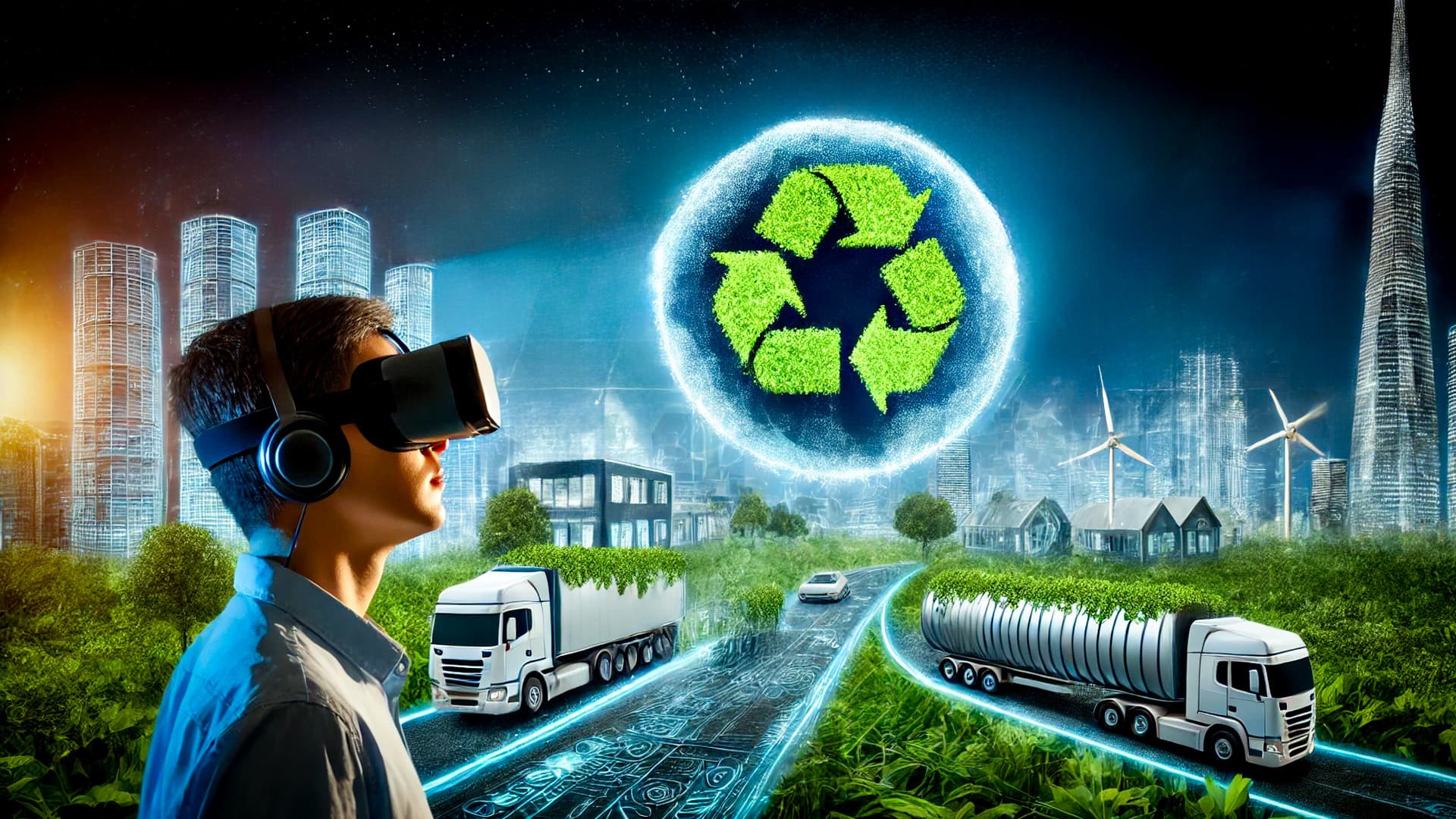
How VR is Reducing Our Carbon Footprint in 2024
The Intersection of Technology and Sustainability Why Carbon Footprint Reduction is Critical in 2024 As we edge deeper into 2024, the urgency of...
The Intersection of Technology and Sustainability
Why Carbon Footprint Reduction is Critical in 2024
As we edge deeper into 2024, the urgency of reducing our global carbon footprint cannot be overstated. The impacts of climate change are becoming increasingly evident, manifesting in extreme weather events, rising sea levels, and disruptions to ecosystems. Reducing carbon emissions has moved from being a goal for the future to a present-day imperative. In this scenario, technology is stepping in as a crucial ally, driving innovation in how we live, work, and interact with the planet. Carbon footprint reduction in 2024 is not just about large-scale industrial shifts—it’s about rethinking our day-to-day activities and utilizing the tools available to us.
The Role of Emerging Technologies in Climate Action
Emerging technologies are central to the fight against climate change, offering solutions that were unthinkable just a decade ago. From renewable energy innovations to smart grids and electric vehicles, technology is transforming the landscape of sustainability. Virtual reality (VR), while typically associated with gaming and entertainment, is proving to be a powerful tool for reducing carbon emissions. By enabling virtual experiences that replace physical activities, VR is helping to minimize the carbon footprint associated with travel, resource consumption, and energy-intensive industries. It is a prime example of how technology is driving climate action in unexpected ways.
How VR Fits Into the Sustainability Equation
Virtual reality’s capacity to simulate real-world environments and scenarios presents a unique opportunity to reduce our reliance on physical resources. As we move towards more sustainable practices, VR offers an alternative to carbon-heavy processes like air travel, large-scale events, and physical production. By allowing people to interact in virtual spaces, work remotely, and experience immersive environments without leaving their homes, VR directly contributes to lowering carbon emissions. This transformative technology is proving to be more than just an entertainment tool—it is an essential part of the sustainability equation in 2024.
Virtual Reality as a Tool for Sustainable Innovation
The Power of Immersive Learning for Environmental Awareness
One of the most compelling uses of VR in the realm of sustainability is immersive learning. Virtual reality can create detailed simulations of environmental challenges, offering users a chance to engage deeply with issues like deforestation, ocean pollution, and climate change. Through these virtual experiences, individuals can gain a visceral understanding of environmental degradation, spurring greater awareness and action. For instance, users can witness the destruction of rainforests or the melting of polar ice caps in real time, leading to heightened awareness of the urgency for sustainability efforts.
Virtual Simulations: Reducing Physical Resource Use
Virtual simulations provide an innovative solution to resource-intensive activities. In fields like architecture, medicine, and education, VR is replacing the need for physical models, materials, and spaces. Architects can now design and test buildings in a virtual environment, reducing the need for physical prototypes. Similarly, VR allows for medical training without the need for costly and resource-intensive real-world materials. By transitioning these traditionally physical processes into the virtual space, we can drastically cut down on the consumption of raw materials and the energy required to produce them.
How VR is Enabling Green Innovations Across Industries
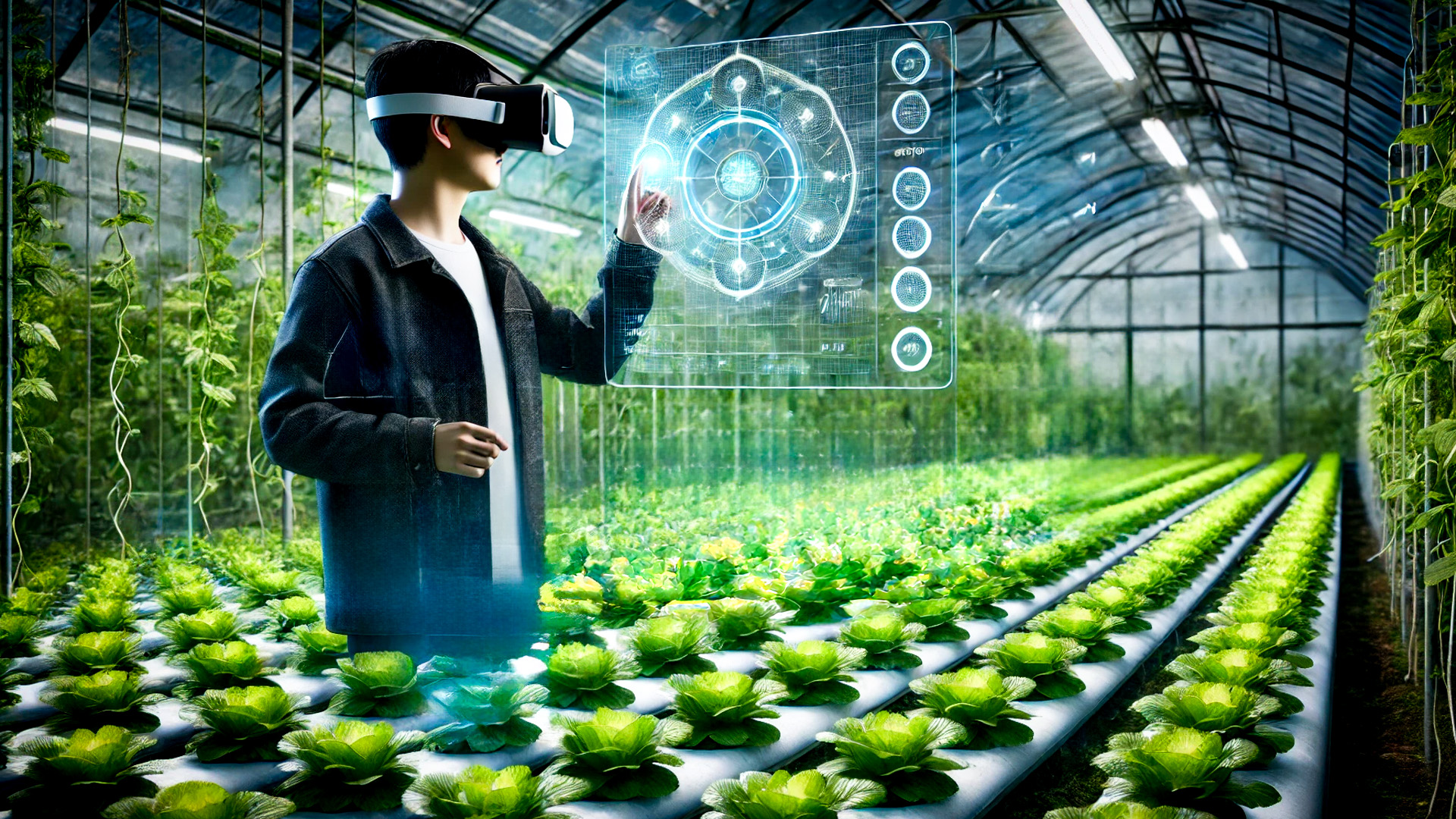
VR is enabling green innovations across multiple industries by offering new ways to approach problem-solving and development. In manufacturing, companies are using VR to refine production processes before they go live, reducing waste and minimizing environmental impact. In agriculture, VR tools are helping farmers to visualize crop cycles and optimize resource use, making food production more efficient and sustainable. These green innovations, powered by VR, are pushing industries towards more sustainable practices, cutting emissions, and preserving resources.
Remote Collaboration and Reduced Travel Through VR
Eliminating Business Travel with Virtual Meetings
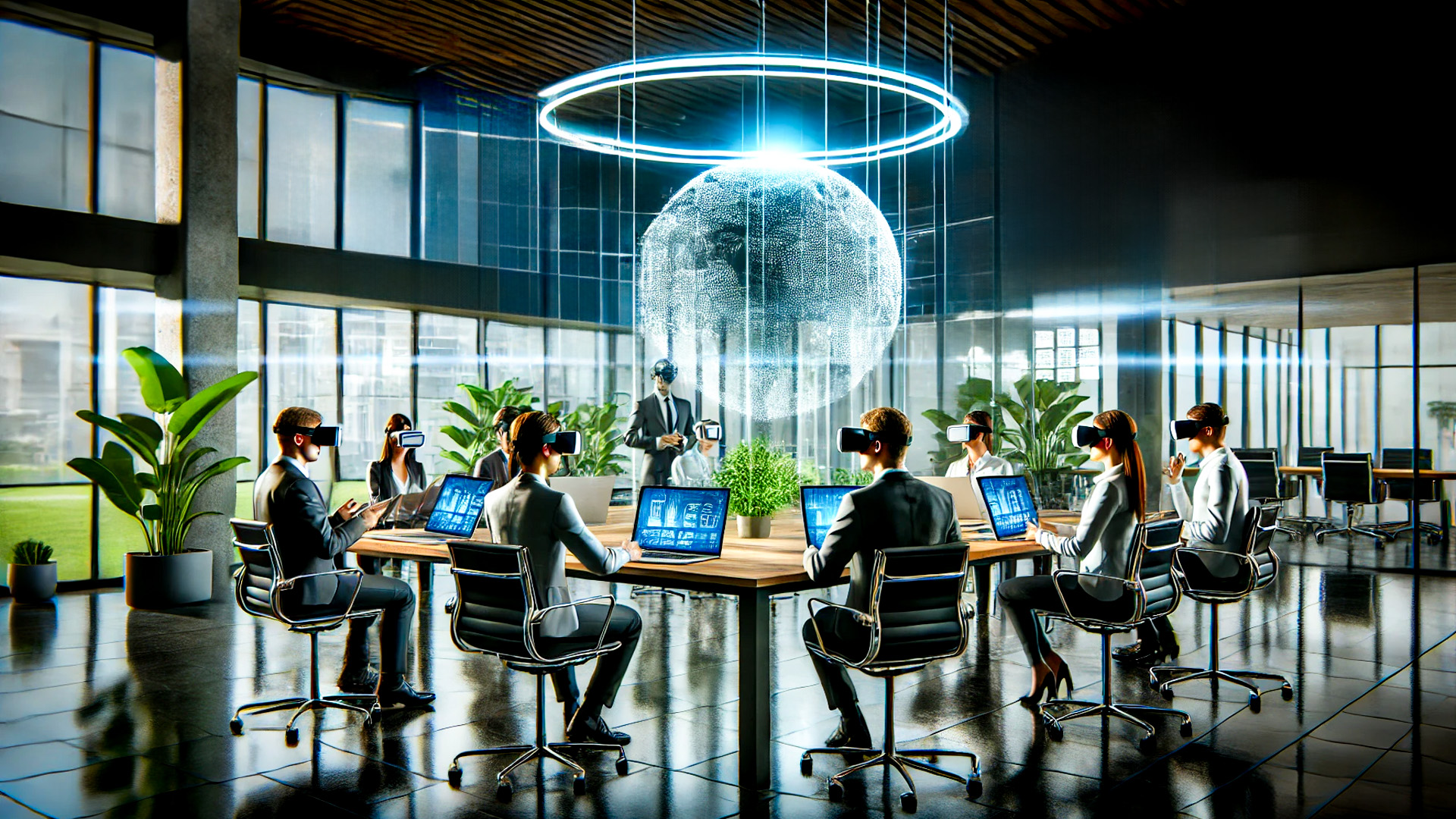
Business travel has long been a significant contributor to carbon emissions, with millions of flights taken each year to attend meetings and conferences. VR is changing this paradigm. With virtual meeting platforms, professionals can collaborate and engage with colleagues from across the globe without the need for air travel. The realism and immersion that VR offers make virtual meetings feel almost as personal as in-person interactions, but without the environmental cost. In 2024, many companies are adopting VR technology to reduce their carbon footprint by eliminating unnecessary business travel.
VR-Powered Remote Training and Education
Beyond meetings, VR is transforming how organizations approach training and education. Remote learning has grown in popularity, but VR takes it to a new level by offering immersive, hands-on training experiences that were once only possible in person. Whether it’s technical skills in manufacturing or soft skills in customer service, VR allows for comprehensive training without the need to travel or consume physical resources. In education, students can participate in virtual field trips, explore historical events, or dive into complex scientific simulations, all from the comfort of their homes.
How VR Events Are Minimizing Travel-Based Emissions
In addition to meetings and training, virtual events are becoming increasingly popular. From conferences to expos and even concerts, VR technology allows people to attend large-scale events without ever leaving their homes. This shift has the potential to drastically reduce emissions associated with travel, accommodations, and event logistics. By holding events in virtual spaces, organizers are minimizing their carbon footprint while still delivering engaging, interactive experiences for participants around the world.
Virtual Workspaces and Their Environmental Impact
Replacing Physical Offices with Virtual Environments
The rise of virtual workspaces is one of the most significant ways VR is helping to reduce carbon emissions. Traditional office spaces require heating, cooling, lighting, and maintenance, all of which contribute to carbon output. VR workspaces eliminate the need for physical office buildings, allowing employees to collaborate in fully immersive environments from anywhere in the world. In these virtual offices, employees can interact with colleagues in real-time, share documents, and brainstorm ideas, all without the environmental costs associated with maintaining a brick-and-mortar office.
The Carbon Savings of Remote Work via VR Platforms
Remote work has already shown to significantly reduce commuting-related emissions, but VR takes it a step further. VR platforms allow for more interactive and engaging remote work environments, making the need for physical offices almost obsolete. The ability to conduct virtual meetings, trainings, and brainstorming sessions in a virtual space reduces the carbon footprint even further, especially for companies with employees distributed across multiple locations.
How Companies are Transitioning to Virtual Workspaces
Many forward-thinking companies are embracing VR as the next step in remote work. By investing in VR platforms, they are not only cutting costs on office space but also reducing their environmental impact. This transition is gaining momentum in 2024, as more organizations recognize the dual benefits of sustainability and enhanced collaboration that VR workspaces offer.
Sustainable Development in Architecture and Construction
VR-Driven Green Building Design and Planning
Virtual reality is revolutionizing the architecture and construction industries by facilitating greener building designs. Architects can now use VR to create immersive, 3D models of their projects, allowing them to optimize for energy efficiency, materials use, and environmental impact before a single brick is laid. This results in smarter, more sustainable buildings that consume fewer resources during construction and operation.
How VR is Streamlining Construction, Reducing Waste
In construction, VR is helping to streamline processes and reduce waste. By visualizing construction projects in a virtual environment, teams can identify potential issues and inefficiencies before they arise, eliminating the need for costly reworks and reducing material waste. This level of foresight ensures that projects are completed more efficiently and with less environmental impact.
The Environmental Benefits of VR in Urban Development
Urban development can be a resource-heavy endeavor, but VR is changing that. City planners and developers are using virtual reality to simulate and plan sustainable urban environments. This includes designing eco-friendly transportation systems, optimizing green spaces, and reducing the environmental footprint of new developments. By visualizing urban areas in VR, planners can make more informed decisions that prioritize sustainability from the outset.
Virtual Reality for Sustainable Consumer Behavior
VR Shopping Experiences and Reduced Retail Carbon Footprint
Virtual reality is not only transforming industries but also reshaping consumer behavior. VR shopping experiences allow consumers to browse virtual stores, try on clothes, and even test products—all without leaving their homes. This shift reduces the need for brick-and-mortar retail spaces, which are typically energy-intensive to operate. Additionally, by reducing physical returns through virtual product testing, VR helps retailers cut down on waste and emissions associated with shipping and restocking.
Virtual Travel and Tourism: Exploring Without Emissions
For the travel and tourism industry, VR offers a sustainable alternative to physical travel. With virtual tourism experiences, users can explore iconic landmarks, visit museums, or take guided tours of far-flung destinations—all without the carbon emissions associated with flights, hotels, and transportation. This shift toward virtual tourism is helping to reduce the environmental impact of the travel industry, offering eco-conscious travelers a guilt-free way to explore the world.
Reducing Waste Through VR Product Testing and Design
Virtual reality is also playing a key role in product development. Companies can now design, prototype, and test new products entirely in virtual environments, reducing the need for physical prototypes and the waste associated with traditional product development. This approach is particularly valuable in industries like fashion, automotive, and electronics, where iterative design processes can generate significant waste.
Entertainment, Gaming, and Eco-Friendly Immersion
VR Gaming Without the Carbon Cost of Physical Travel
VR gaming offers an eco-friendly alternative to traditional forms of entertainment that require travel or resource-intensive infrastructure. Gamers can enjoy immersive experiences without the carbon cost of attending live events, theme parks, or other physical venues. As VR gaming continues to grow, it presents an opportunity for the entertainment industry to shift towards more sustainable practices.
Virtual Concerts and Events Reducing Large-Scale Environmental Impact
In 2024, the entertainment industry is increasingly turning to VR to host concerts and events. These virtual experiences allow millions of people to attend without the need for physical venues, transportation, or the waste generated by large-scale events. By hosting events in the virtual space, artists and organizers can deliver high-quality, interactive experiences with a fraction of the environmental footprint.
How the Entertainment Industry is Shifting to VR for Sustainability
The entertainment industry is recognizing the potential of VR not only for enhancing audience engagement but also for promoting sustainability. From virtual film premieres to interactive fan experiences, VR is providing new ways for the industry to connect with audiences without the environmental impact of traditional events. This shift is part of a broader trend towards sustainability within the entertainment world.
The Future of VR in Reducing Carbon Footprint
Emerging Trends in VR for Environmental Sustainability
As VR technology continues to evolve, new trends are emerging that will further enhance its role in sustainability. These include more energy-efficient VR hardware, innovative applications for environmental monitoring, and the expansion of VR into fields like renewable energy training and eco-conscious product development. These emerging trends will solidify VR’s place as a powerful tool in the fight against climate change.
Long-Term Environmental Benefits of VR Adoption
The long-term environmental benefits of widespread VR adoption are significant. By reducing the need for travel, physical materials, and resource-heavy processes, VR can help industries across the board to operate more sustainably. As VR becomes more integrated into our daily lives, its ability to reduce our carbon footprint will only increase.
What’s Next for VR in the Fight Against Climate Change
Looking ahead, VR is poised to play an even larger role in the fight against climate change. With advancements in AI, machine learning, and cloud computing, VR will become more efficient, more powerful, and more accessible. These developments will enable even greater reductions in carbon emissions, making VR a cornerstone of our global sustainability efforts.
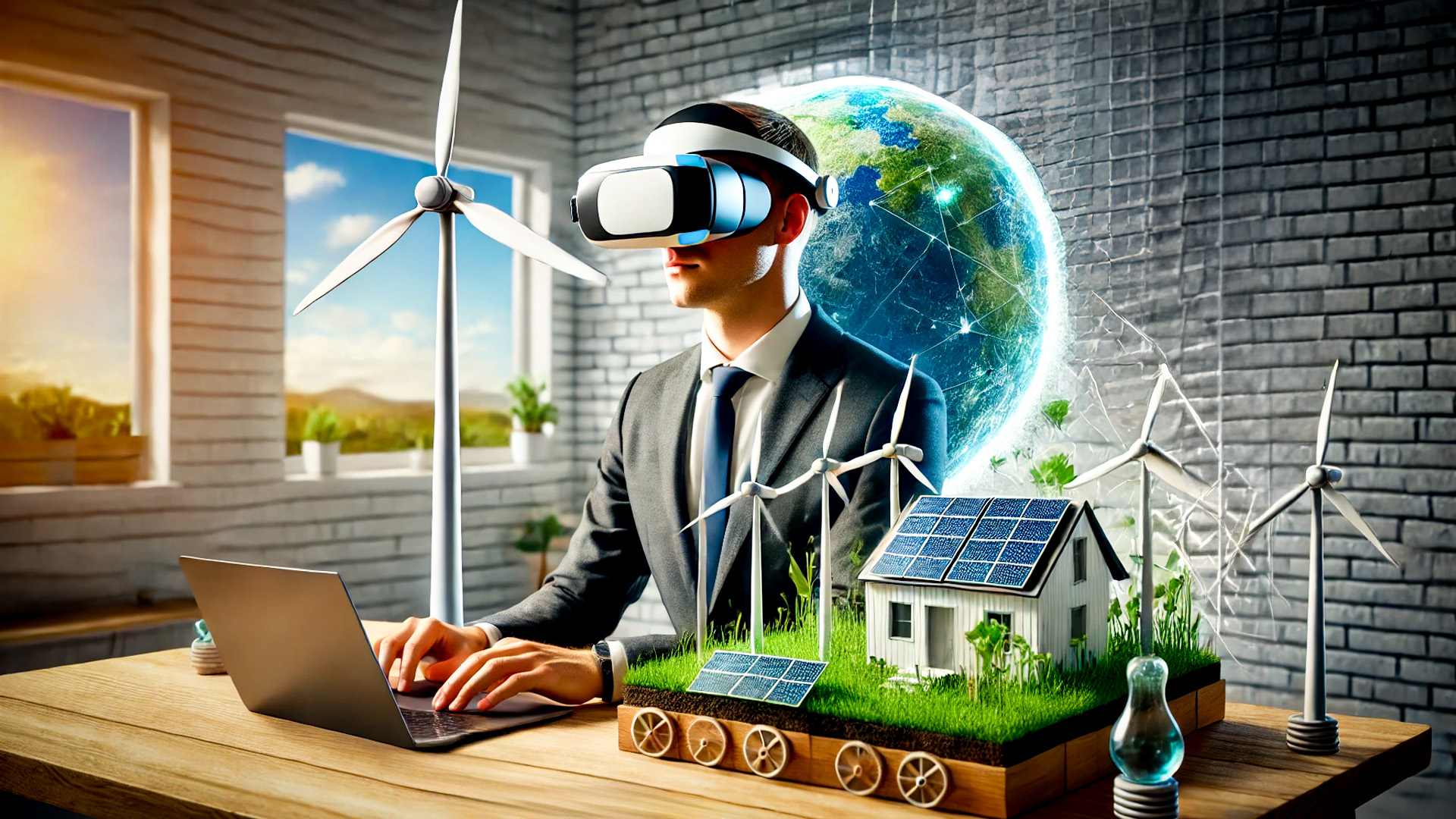
VR’s Role in a Greener Future
The Continued Potential of VR for Carbon Footprint Reduction
Virtual reality is proving to be a powerful tool for reducing our carbon footprint in 2024. Its applications across industries—from remote work and virtual events to sustainable development and consumer behavior—are helping to reshape how we think about sustainability in the modern world. The potential for VR to contribute to a greener future is immense, and we are only scratching the surface of its capabilities.
How Businesses and Consumers Can Leverage VR for Sustainability
Businesses and consumers alike have an opportunity to leverage VR for sustainability. By embracing virtual meetings, events, and experiences, we can collectively reduce our reliance on carbon-heavy activities. As the technology continues to advance, more businesses will find innovative ways to integrate VR into their sustainability strategies, and consumers will have more eco-friendly options for work, play, and travel.
Final Thoughts on VR as a Key to a Sustainable 2024 and Beyond
As we look ahead to the future, virtual reality is poised to become a key player in the quest for a more sustainable world. Its ability to reduce carbon emissions, conserve resources, and promote eco-friendly practices makes it a vital tool in the fight against climate change. In 2024 and beyond, VR will not only enhance our lives but also help preserve the planet for future generations.
Author: Elisha Roodt
Sharing the best of Virtual Reality Durban with local VR experiences, events, and immersive tech insights from Durban and KwaZulu-Natal.