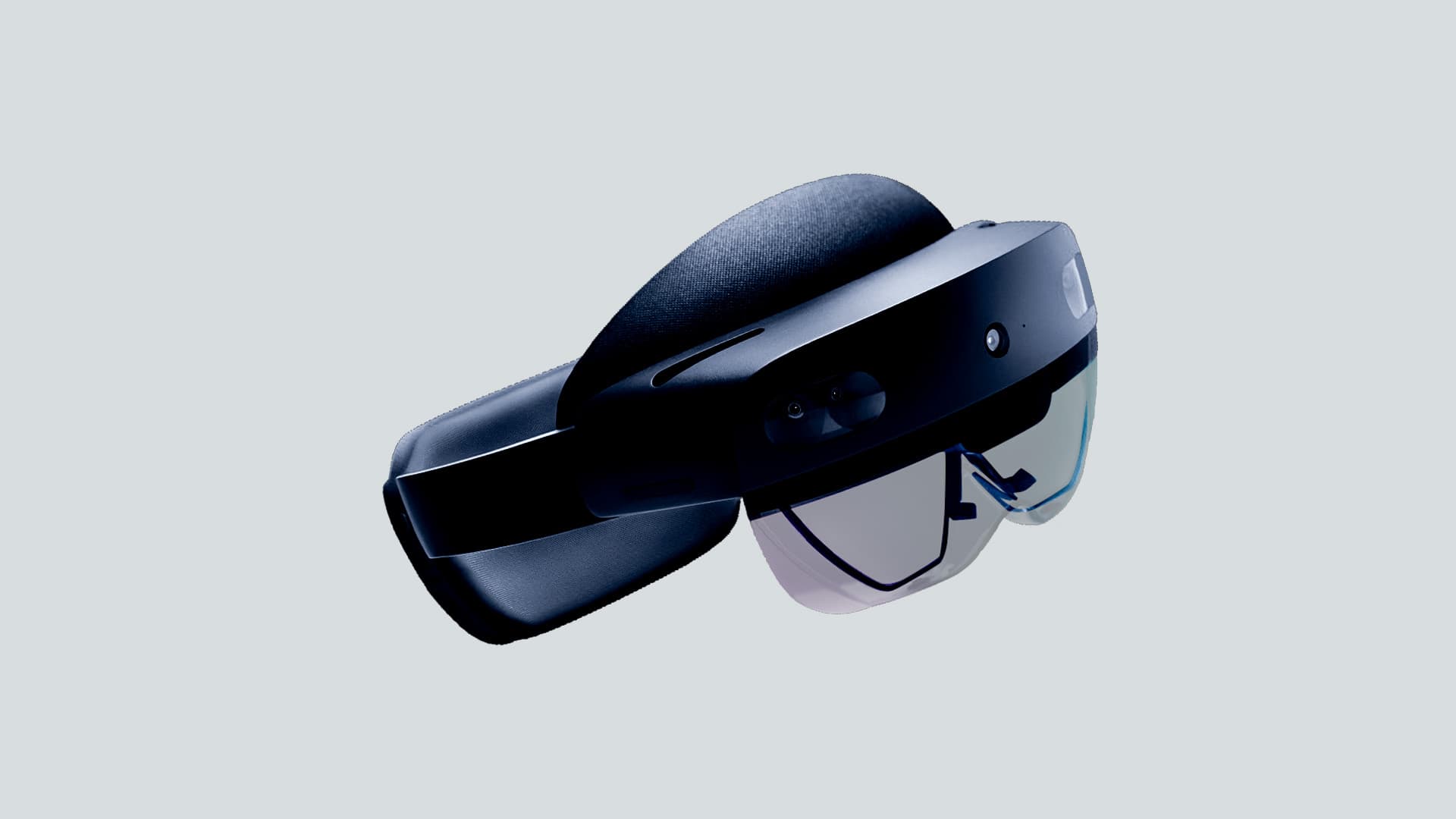
Microsoft Kills HoloLens 2 Headset as AR VR Competition Heats Up
The HoloLens 2, introduced by Microsoft in 2019, was a groundbreaking leap in augmented reality (AR) and virtual reality (VR) technologies...
The HoloLens 2, introduced by Microsoft in 2019, was a groundbreaking leap in augmented reality (AR) and virtual reality (VR) technologies. Targeting industries that required high-level innovation, such as healthcare, manufacturing, and engineering, the headset fused real-world environments with digital overlays through its mixed-reality capabilities. This allowed users to interact with holograms as if they were part of the physical world, enabling new workflows and transforming processes across various sectors. Its hand-tracking, eye-tracking, and spatial mapping features set a new standard for enterprise-level AR, making the HoloLens 2 a pivotal tool in enhancing productivity, training, and remote collaboration.
However, in a surprising turn of events, Microsoft recently announced the discontinuation of the HoloLens 2 headset. The decision marks the end of an era, as the company shifts its focus amidst rising competition and evolving market dynamics. With tech giants like Meta and Apple making significant inroads into the AR and VR space, particularly with their own advanced headsets and ecosystems, Microsoft has been forced to reassess its position within the immersive technology landscape. While HoloLens 2 had carved a niche in enterprise settings, its discontinuation signals Microsoft’s strategic pivot—perhaps toward software development, cloud-based AR solutions, or a future iteration of the technology that better competes with the newer players in this fast-evolving market. This shift reflects the broader trend of consolidation in the AR/VR industry, as major companies recalibrate their approaches to meet the demands of an increasingly competitive and immersive tech world.
The Rise and Legacy of HoloLens 2
When Microsoft launched the HoloLens 2, it wasn't merely introducing a new gadget; it was delivering a transformative vision of the future. The company foresaw a world where augmented reality (AR) seamlessly integrated into daily workflows, and where holograms would be as ubiquitous as physical tools. Building on the foundation of the original HoloLens, the HoloLens 2 made significant strides in fulfilling that vision, offering improved comfort, an expanded field of view, and more intuitive interactions with holographic content. This leap forward set a new standard for mixed reality devices, particularly in enterprise environments.
One of the key milestones in the HoloLens 2 journey was its strategic partnerships with leading companies such as Airbus, Lockheed Martin, and Phillips, which showcased its potential in industrial and healthcare applications. In aerospace, HoloLens 2 was used for tasks like designing and maintaining aircraft, while Lockheed Martin employed it to assist with the assembly of NASA's Orion spacecraft. In healthcare, surgeons could visualize and manipulate complex 3D anatomy during operations, enabling more precise and informed procedures. Similarly, in manufacturing, engineers could simulate entire assembly lines using holographic projections, enhancing productivity and reducing costly errors.
Although the HoloLens 2 saw limited consumer market adoption, its success in industries like aerospace, healthcare, and manufacturing demonstrated the undeniable advantages of AR in enterprise settings. It proved that augmented reality, when applied strategically, could revolutionize how professionals visualize data, collaborate, and execute complex tasks. The legacy of the HoloLens 2 lies in its role as a trailblazer in the AR space, influencing future innovations and cementing AR's place as a powerful tool in the digital transformation of industries.
Microsoft’s Strategic Shift
Microsoft’s decision to discontinue the HoloLens 2 was influenced by both internal strategic shifts and external market pressures. Internally, the company has been rethinking its approach to mixed reality, focusing more on cloud-based solutions such as Microsoft Mesh. Mesh is designed to facilitate virtual collaboration across a wide range of devices, eliminating the need for specialized hardware like the HoloLens 2. This shift reflects Microsoft’s broader goal of expanding AR/VR capabilities in a more accessible and scalable way, ensuring that users can interact in mixed reality environments without being tied to a single piece of equipment.
Externally, the competitive landscape in the AR/VR market has intensified significantly. The HoloLens 2, with its high price point and enterprise-focused design, struggled to compete with more affordable and consumer-friendly alternatives offered by tech giants like Meta and Apple. These companies have introduced mixed reality headsets that cater to both enterprise and consumer markets, positioning their products as versatile tools for everyday use. Additionally, technological advancements and user feedback revealed that expectations for AR/VR experiences were rapidly evolving. Users increasingly demanded more intuitive, affordable, and feature-rich devices, which placed pressure on Microsoft to innovate or risk losing market relevance.
The decision to phase out the HoloLens 2 is a clear signal of Microsoft’s strategic recalibration. By moving away from a hardware-centric approach and focusing on software-driven solutions like Mesh, the company is positioning itself to better meet the dynamic and growing demands of the AR/VR industry. This pivot allows Microsoft to stay competitive while continuing to push the boundaries of virtual collaboration and immersive experiences.
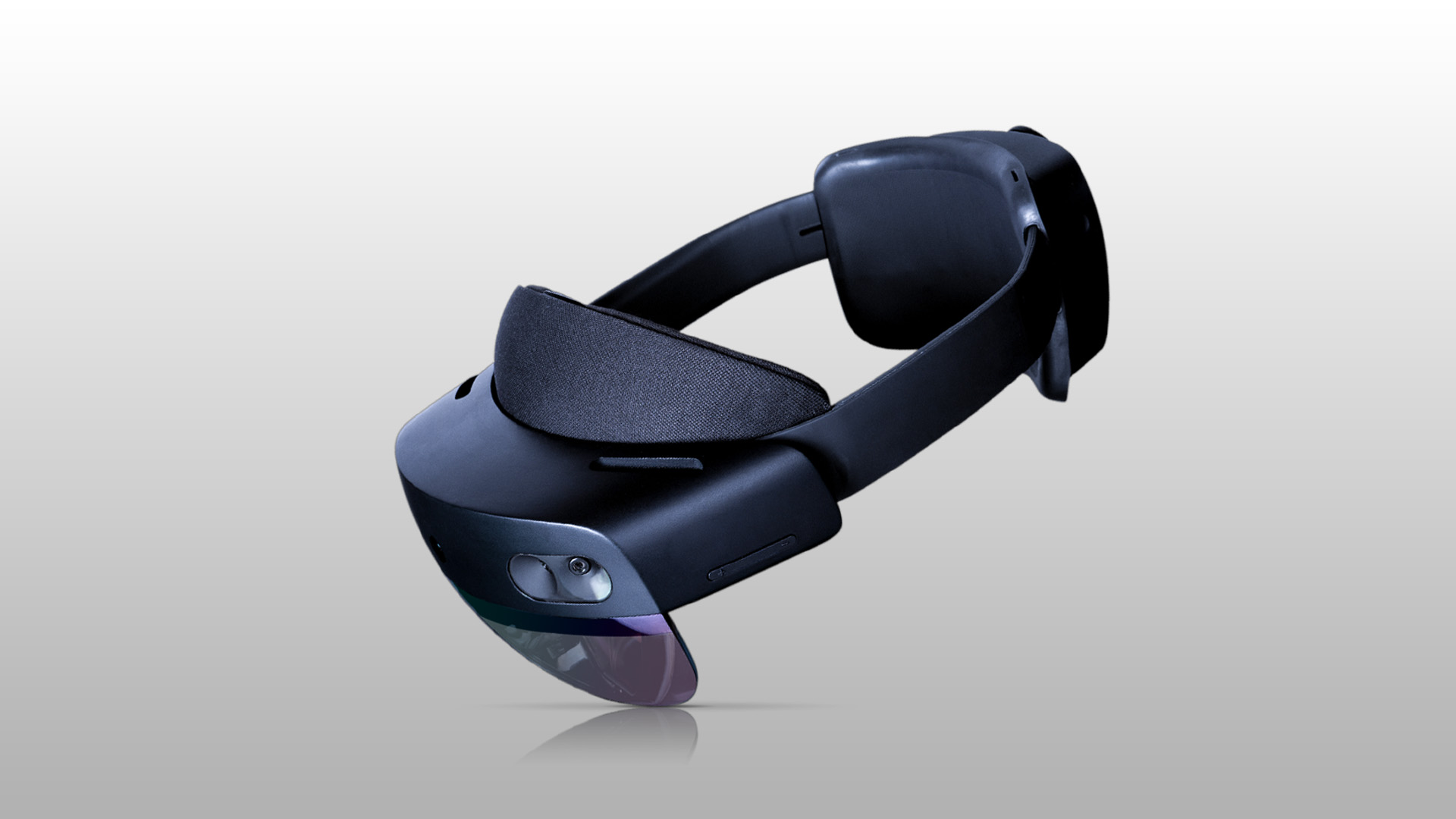
Growing Competition in AR and VR
The AR/VR market has evolved into a fiercely competitive space, with major tech giants like Meta and Apple leading the charge. Meta’s aggressive push into the metaverse, coupled with its popular Quest series, has reshaped how consumers perceive immersive technology. Simultaneously, Apple’s anticipated AR glasses have generated significant excitement, positioning the company as a major player in the augmented reality space. These developments have diverted attention away from Microsoft’s HoloLens 2, which, while innovative, has struggled to maintain a foothold in the broader market.
Beyond these established companies, startups and smaller tech innovators are also contributing to the competitive landscape, offering fresh perspectives on usability, affordability, and content creation. These new entrants are making AR/VR more accessible to the general public, focusing on consumer-friendly devices that are easier to use and more affordable than enterprise-grade products like the HoloLens 2. While Microsoft initially found success with industrial applications—such as manufacturing, healthcare, and aerospace—the consumer market has become the primary battleground for AR/VR technology.
Devices like Meta’s Quest series and Apple’s upcoming AR products reflect a clear trend toward lightweight, multi-functional devices designed for everyday use. In contrast, Microsoft’s HoloLens 2 has been seen as catering to niche, high-end industries. This shift in market focus has created stiff competition, leaving less room for hardware like the HoloLens 2 to compete on a larger scale. As the landscape rapidly changes, Microsoft’s decision to step back from hardware and refocus on cloud-based solutions like Microsoft Mesh appears to be a strategic move to remain relevant in the AR/VR space without directly competing in the crowded consumer market.
Impact on AR/VR Market and Users
The discontinuation of the HoloLens 2 has left a noticeable void in the AR/VR landscape, particularly for businesses and developers that heavily relied on it. Industries such as aerospace, healthcare, and manufacturing, where the HoloLens 2 was a critical tool for enhancing precision and collaboration, are now forced to reevaluate their strategies. These enterprises must explore new AR solutions or adapt to evolving technologies that may not yet offer the same industrial-grade functionality. The shift presents a challenge, particularly for operations that have integrated HoloLens 2 into their workflow.
For developers, the exit of the HoloLens 2 creates an additional challenge. Many have spent years building specialized applications for the platform, which now require modification or migration to other AR devices or software platforms. This transition may delay projects and force developers to rethink their approach to building immersive experiences in a market that is rapidly changing.
As the AR/VR market evolves, the trend is clearly shifting toward cross-device compatibility and cloud-driven solutions. Microsoft’s pivot to cloud-based AR platforms, such as Microsoft Mesh, reflects a broader industry move away from hardware-specific solutions. This shift could result in a more flexible and scalable approach to AR technology, allowing businesses to deploy immersive experiences across various devices rather than relying on a single piece of hardware.
In the short term, the discontinuation of HoloLens 2 may create a gap for enterprise-level AR, leaving companies searching for alternatives. Over the long term, however, the focus on cloud-driven solutions could open up new opportunities for businesses and developers to innovate in the AR space, potentially leading to more accessible, versatile, and cost-effective solutions. The full impact of this shift will likely become clearer as the AR/VR market continues to mature in the years to come.
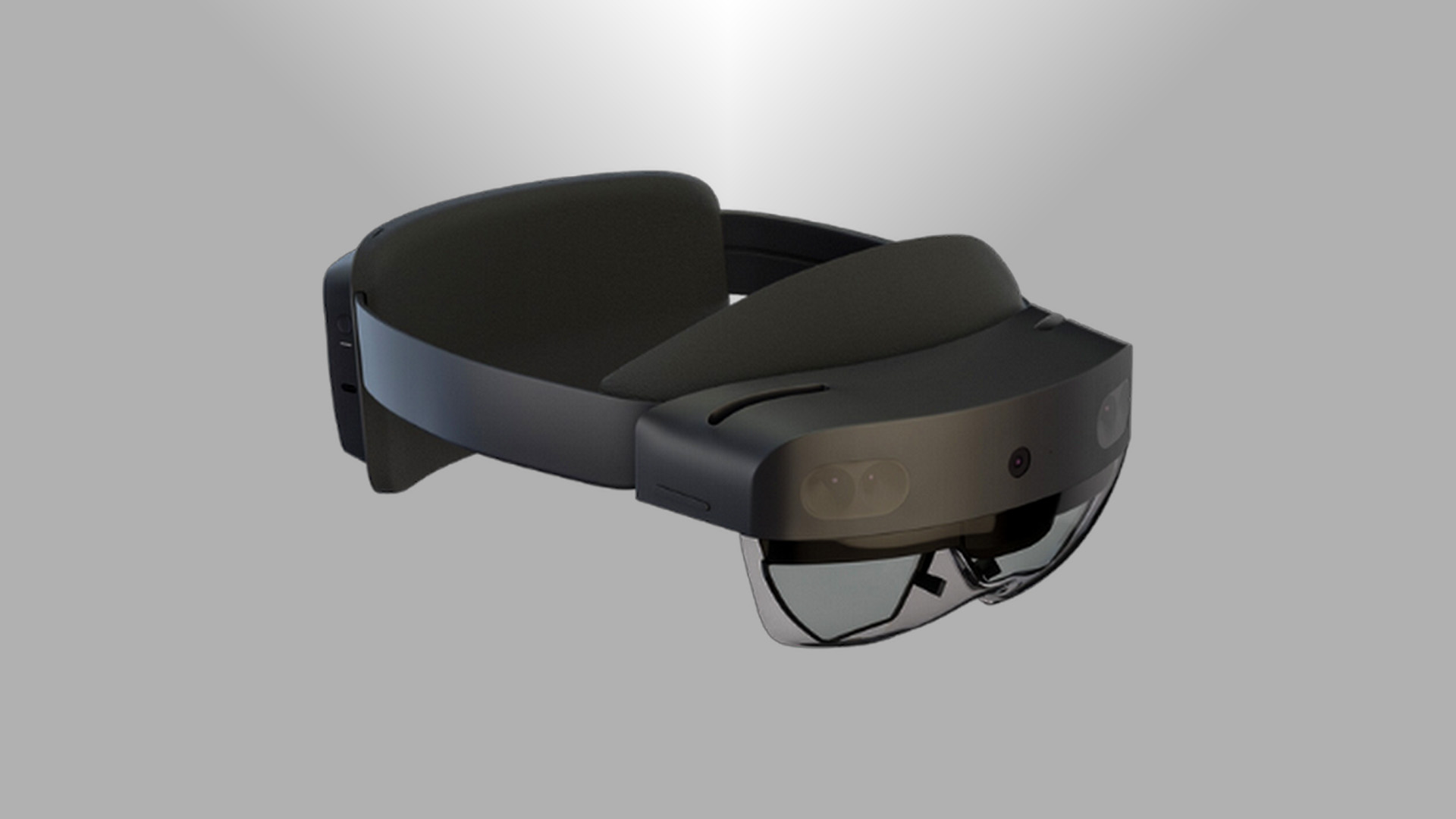
Microsoft’s Future in AR/VR
Even as Microsoft phases out the HoloLens 2, the company is signaling a continued commitment to the AR/VR space. With a strong focus on mixed reality (MR) collaboration platforms like Microsoft Mesh, the tech giant is shifting its strategy toward software-based solutions that offer cross-platform compatibility. Microsoft Mesh, in particular, highlights the company's ambition to enable immersive, real-time collaboration across various devices, including smartphones, tablets, VR headsets, and PCs. This shift suggests that Microsoft sees the future of AR/VR not in hardware alone, but in experiences that transcend individual gadgets.
To thrive in the increasingly competitive AR/VR landscape, Microsoft may pursue partnerships with both established companies and innovative startups. Collaboration with device manufacturers could help Microsoft leverage external expertise in hardware, while the company focuses on software-driven solutions. Additionally, investing in cloud computing and AI-powered AR/VR tools could give Microsoft a distinct advantage, particularly given its deep integration of cloud services like Azure into its broader enterprise ecosystem.
With the increasing importance of scalable, cloud-driven solutions, Microsoft is well-positioned to lead the charge in enterprise AR/VR. Its cloud expertise, combined with advanced collaboration tools, puts the company at the forefront of enabling immersive experiences that are not tethered to specific hardware. This direction could empower businesses to deploy AR/VR solutions across diverse devices, enhancing flexibility, accessibility, and scalability in immersive environments.
The Legacy and Future Role of Microsoft in AR/VR
While the HoloLens 2 is stepping aside, its impact on the enterprise AR/VR space cannot be overlooked. It introduced the concept of mixed reality in ways that profoundly shaped industries like manufacturing, healthcare, and aerospace, proving that AR had real, tangible value beyond entertainment.
The decision to sunset the HoloLens 2 opens up the possibility for Microsoft to focus on a broader, software-first approach to immersive technology. This could lead to the creation of more agile, cost-effective, and widely adopted solutions. Although its hardware presence in the market may have shifted, Microsoft remains positioned as a major force in defining the future of AR/VR.
As tech companies continue to innovate, the AR/VR industry is on the brink of its next major evolution. Microsoft's role in this transformative era will likely be defined by its ability to merge cloud, AI, and immersive technologies into cohesive, scalable solutions that empower enterprises to embrace the future of work and collaboration.
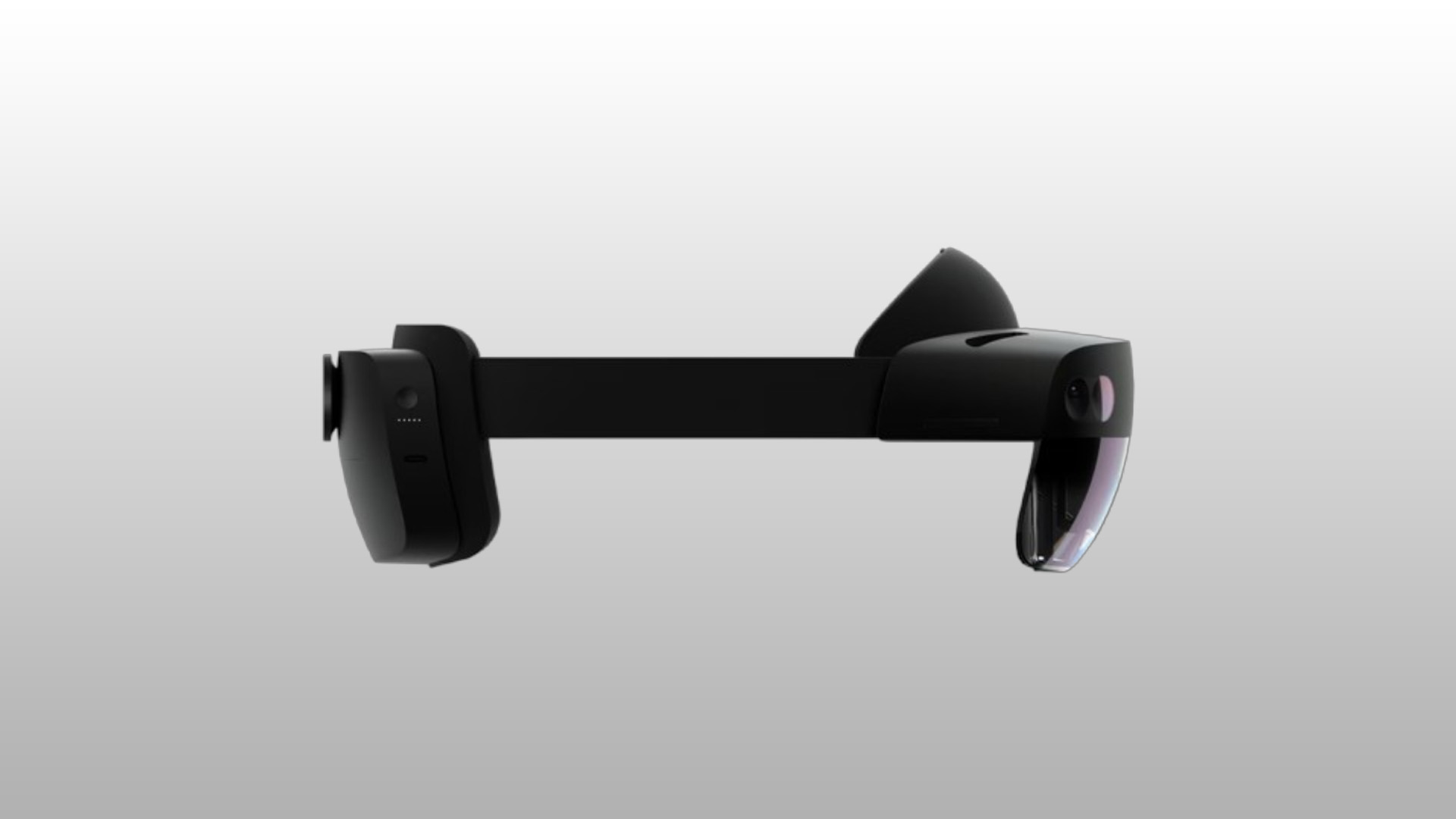
Microsofts Future In Arvr
Author: Elisha Roodt
Sharing the best of Virtual Reality Durban with local VR experiences, events, and immersive tech insights from Durban and KwaZulu-Natal.