
Optimize Your Business with VR
Explore how virtual reality transforms business strategies and drives innovation. Discover practical VR applications that optimize operations, enhance customer engagement, and deliver outstanding revenue growth.
The Future of Virtual Reality: Transforming Industries Through Immersive Technology
Virtual reality is transcending its gaming roots to become a transformative force in multiple industries. By creating immersive, three-dimensional environments, VR is revolutionizing education, healthcare, enterprise collaboration, and design. This technology allows users to engage with simulated worlds in ways that foster learning, improve patient outcomes, and streamline complex business processes. Imagine stepping into a digital replica of a historic site for a lesson, or a surgeon rehearsing a delicate procedure in a risk-free simulation. As VR blurs the line between physical and virtual realms, its integration into real-world applications continues to unlock new opportunities and efficiencies, driving innovation across sectors.
VR in Education and Training
Immersive Learning Experiences
In educational settings, immersive learning experiences foster engagement by transporting students into interactive, lifelike environments. Classrooms become dynamic spaces where theoretical concepts materialize as experiential adventures. For instance, students can virtually explore the human body or journey through outer space, making abstract theories tangible and memorable. This form of experiential learning sparks curiosity and critical thinking while accommodating diverse learning styles. As traditional lectures give way to multi-sensory simulations, educators find that students retain information more effectively, embracing a novel pedagogical approach that bridges the gap between knowledge and real-world application.
By leveraging VR to simulate historical events, natural phenomena, and intricate scientific processes, institutions enhance comprehension and retention. Learners can observe detailed reconstructions of ancient civilizations or witness the dynamic behavior of molecules in a chemistry simulation. This method transforms the conventional classroom into a vibrant laboratory of discovery where passive observation is replaced by active participation. The interplay between immersive technology and education not only modernizes teaching methodologies but also prepares students for the technological demands of the future, nurturing a generation of adaptable, innovative thinkers.
Simulated Environments for Skill Development
VR-driven simulated environments offer learners a safe space to develop and refine practical skills. These simulations replicate real-world challenges—from emergency response scenarios to intricate industrial procedures—allowing individuals to experiment, err, and learn without real-life consequences. Trainees can practice technical maneuvers, navigate complex decision trees, and interact with virtual instruments, all while receiving immediate feedback. This hands-on approach accelerates learning curves and fosters the development of muscle memory, ensuring that skills are honed under conditions that closely mimic their eventual application.
In addition to technical training, simulated environments promote soft skills like teamwork, communication, and leadership. For example, business management simulations enable participants to experience the dynamics of high-pressure decision-making and resource allocation. By engaging in role-playing scenarios within a controlled digital setting, learners build confidence and competence that translate directly into their professional lives. The convergence of immersive technology and practical skill development represents a significant leap forward, merging theoretical learning with real-world application in a way that traditional training methods simply cannot match.
Cross-Cultural and Historical Immersion
VR technology offers unique opportunities for cross-cultural and historical immersion, enabling users to explore distant lands and eras from a single location. Virtual tours of ancient ruins, culturally significant landmarks, or reenactments of pivotal historical moments provide immersive insights into diverse human experiences. This digital portal into the past not only fuels intellectual curiosity but also cultivates empathy and cultural understanding. Participants can witness historical events unfold around them, interacting with digital recreations of people and artifacts that tell a story of human ingenuity and resilience.
These virtual experiences serve as powerful educational tools, deepening users’ understanding of cultural heritage and historical context. By stepping into a meticulously recreated marketplace or a centuries-old festival, learners gain a visceral sense of the customs, challenges, and triumphs of previous generations. The authenticity and detail of these environments encourage users to reflect on the evolution of societal norms and technological advancements. In a world that is increasingly interconnected, such immersive experiences foster a broader appreciation of global diversity and shared history, building bridges between past and present.
VR in Healthcare and Therapy
Enhanced Patient Care Through VR
The healthcare industry is harnessing VR to elevate patient care by offering immersive tools for diagnostics, rehabilitation, and even pain management. Virtual reality platforms create controlled environments where patients can engage in therapeutic exercises, manage chronic pain, or prepare for medical procedures. By immersing patients in calming, interactive simulations, VR alleviates anxiety and creates an atmosphere conducive to healing. This innovative approach offers an alternative to traditional treatment modalities, blending technology with compassionate care to enhance patient outcomes and overall satisfaction.
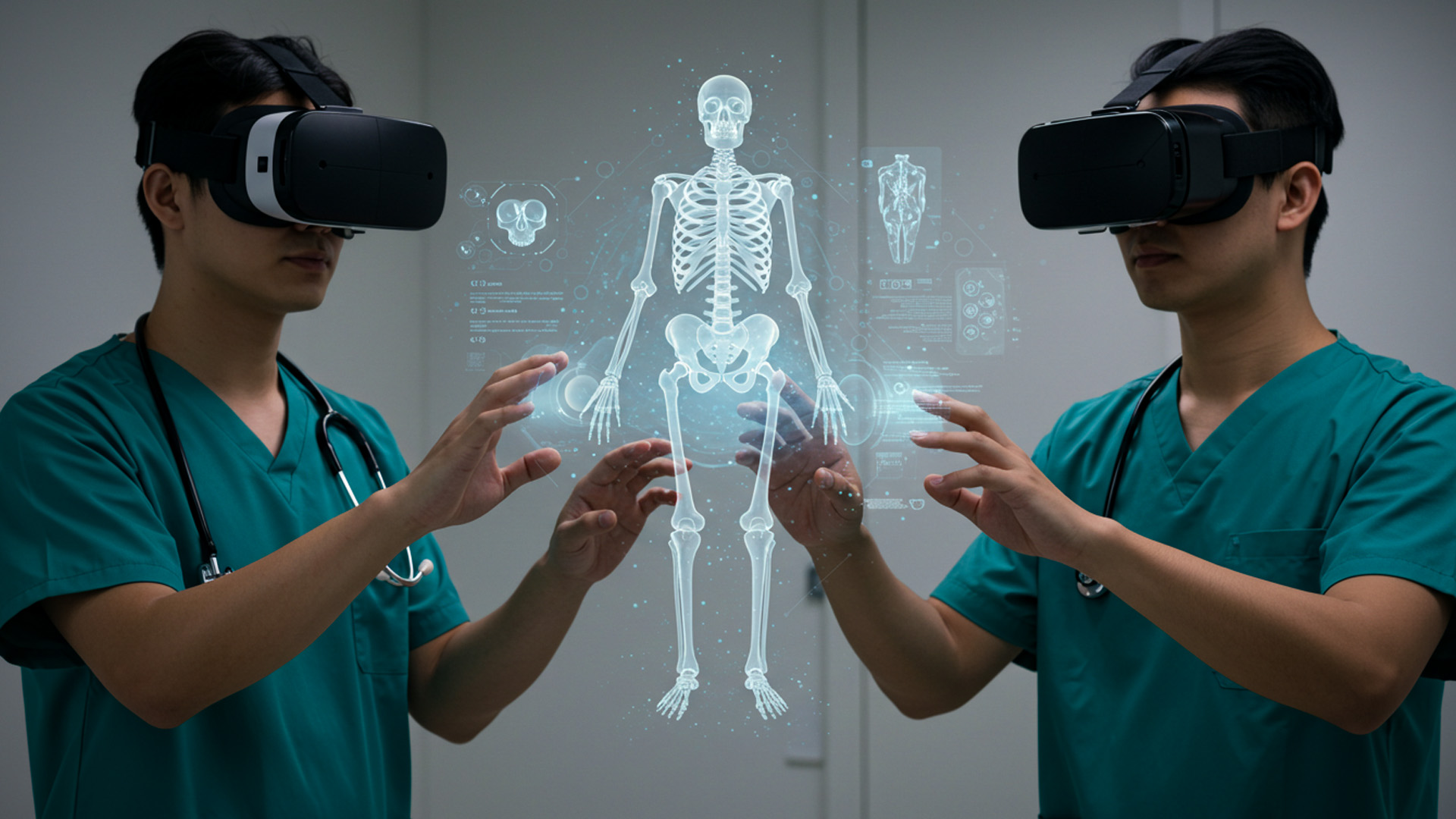
VR’s capacity to simulate realistic, responsive environments provides clinicians with an effective means of visualizing complex anatomical structures and treatment pathways. It empowers patients to actively participate in their recovery process, reinforcing their confidence and reducing reliance on pharmaceutical interventions. As healthcare providers integrate VR into their treatment protocols, the technology not only streamlines patient care but also offers a refreshing perspective on managing medical conditions. By merging technology with empathetic care, VR is transforming the patient experience, making healthcare more accessible, interactive, and patient-centric.
Therapeutic Applications of VR
Therapeutic applications of VR extend beyond physical healing, playing a crucial role in mental health treatments such as exposure therapy and stress reduction. Virtual environments are designed to simulate controlled exposure to anxiety-inducing situations, helping patients confront and overcome their fears in a safe setting. This technology has proven particularly effective for treating phobias, post-traumatic stress disorder, and anxiety disorders, as patients gradually acclimate to triggers within a monitored virtual space. The immersive quality of VR provides a unique blend of realism and control, making therapy both engaging and effective.
VR facilitates mindfulness and meditation practices by transporting users to serene, digitally crafted landscapes that promote relaxation and mental clarity. These experiences allow individuals to escape the pressures of everyday life, offering a momentary retreat into a world designed for healing and introspection. By integrating cognitive behavioral therapy with immersive virtual scenarios, therapists can tailor interventions to suit individual patient needs. The fusion of technology and psychology in VR therapy represents a forward-thinking approach to mental health, addressing the complexities of modern life with innovative, accessible solutions that empower individuals to reclaim their emotional well-being.
VR-Assisted Surgical Training
In surgical training, VR is emerging as an invaluable tool, allowing aspiring surgeons to practice complex procedures in a risk-free environment. By replicating operating rooms with stunning detail, VR simulations offer trainees an opportunity to develop their skills and decision-making abilities without endangering real patients. These virtual experiences provide a level of realism that textbooks and videos cannot match, enabling surgeons to familiarize themselves with intricate anatomical structures and the nuanced dynamics of surgical interventions. This method bridges the gap between theoretical knowledge and hands-on expertise, ensuring that practitioners are well-prepared for the operating theater.
The immersive nature of VR-assisted surgical training also facilitates a deeper understanding of procedural flow and the coordination required among medical teams. Trainees can rehearse emergency responses, refine their dexterity, and gain invaluable insights into the interplay between various surgical instruments and techniques. By experiencing the pressures and complexities of real surgeries in a controlled simulation, they develop confidence and competence that translate directly to clinical practice. This blend of technological innovation and medical education is reshaping the future of surgical training, setting new benchmarks for excellence and precision in healthcare.
VR in Enterprise and Collaboration
Virtual Meetings and Remote Work
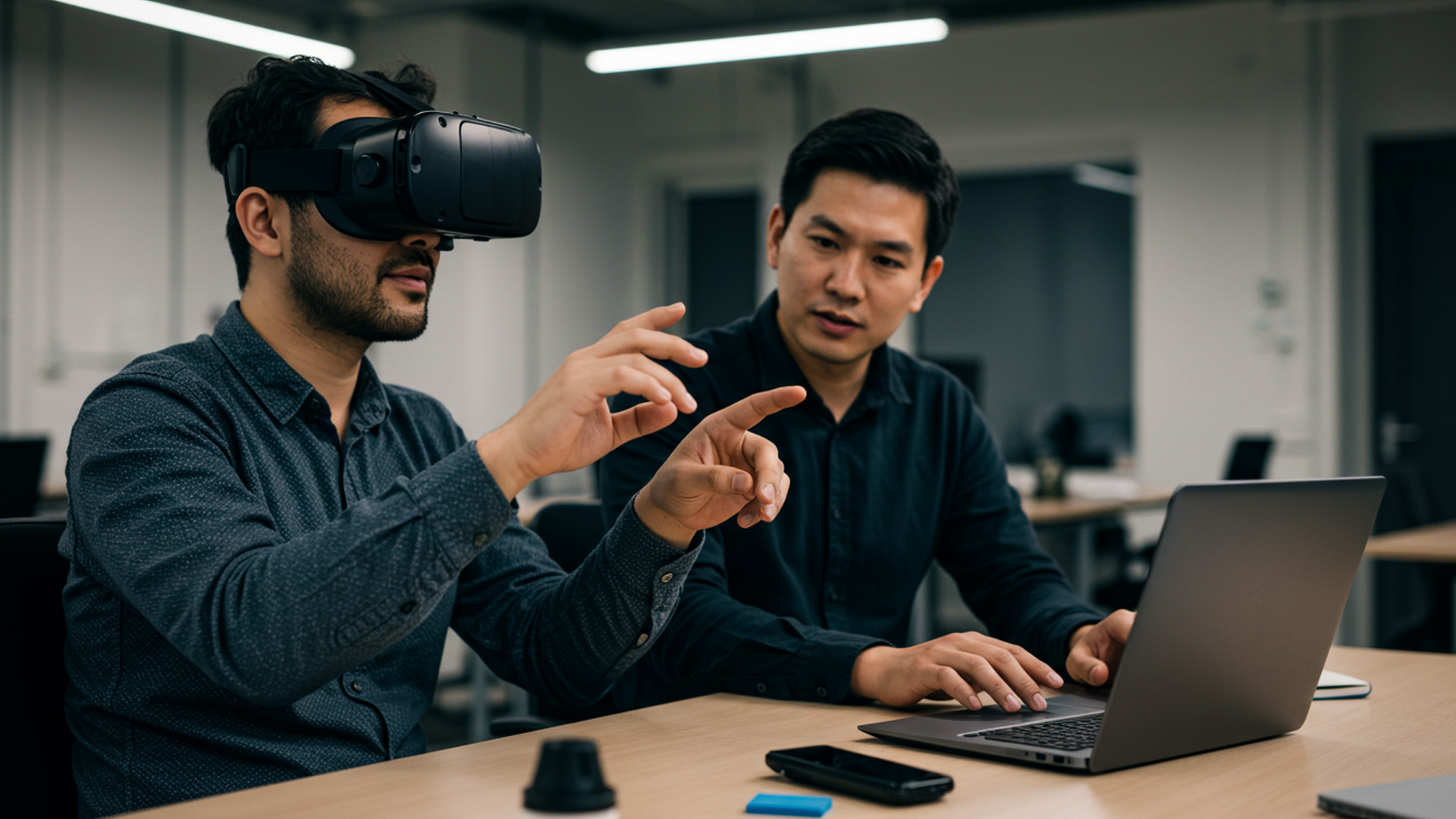
As remote work becomes increasingly prevalent, virtual meetings powered by VR are redefining corporate communication and collaboration. Immersive meeting environments replicate the nuances of face-to-face interactions, enabling colleagues to engage as if they were in the same room. These platforms offer realistic avatars, spatial audio, and interactive virtual whiteboards that foster seamless communication and spontaneous brainstorming. In this digital workspace, team members can break free from the confines of physical offices, overcoming geographical boundaries while preserving the human touch essential to creative collaboration.
The transition to VR-enabled remote work enhances productivity by offering environments that minimize distractions and encourage focused collaboration. Participants experience a sense of presence that traditional video conferencing tools often lack, making meetings more engaging and interactive. This technological evolution is not just a temporary fix for pandemic-induced isolation but a long-term strategy to optimize communication and innovation. By embracing VR, companies create dynamic, adaptable workspaces that cater to diverse work styles and promote a culture of collaboration, ultimately driving business growth and competitive advantage.
Collaborative Product Development
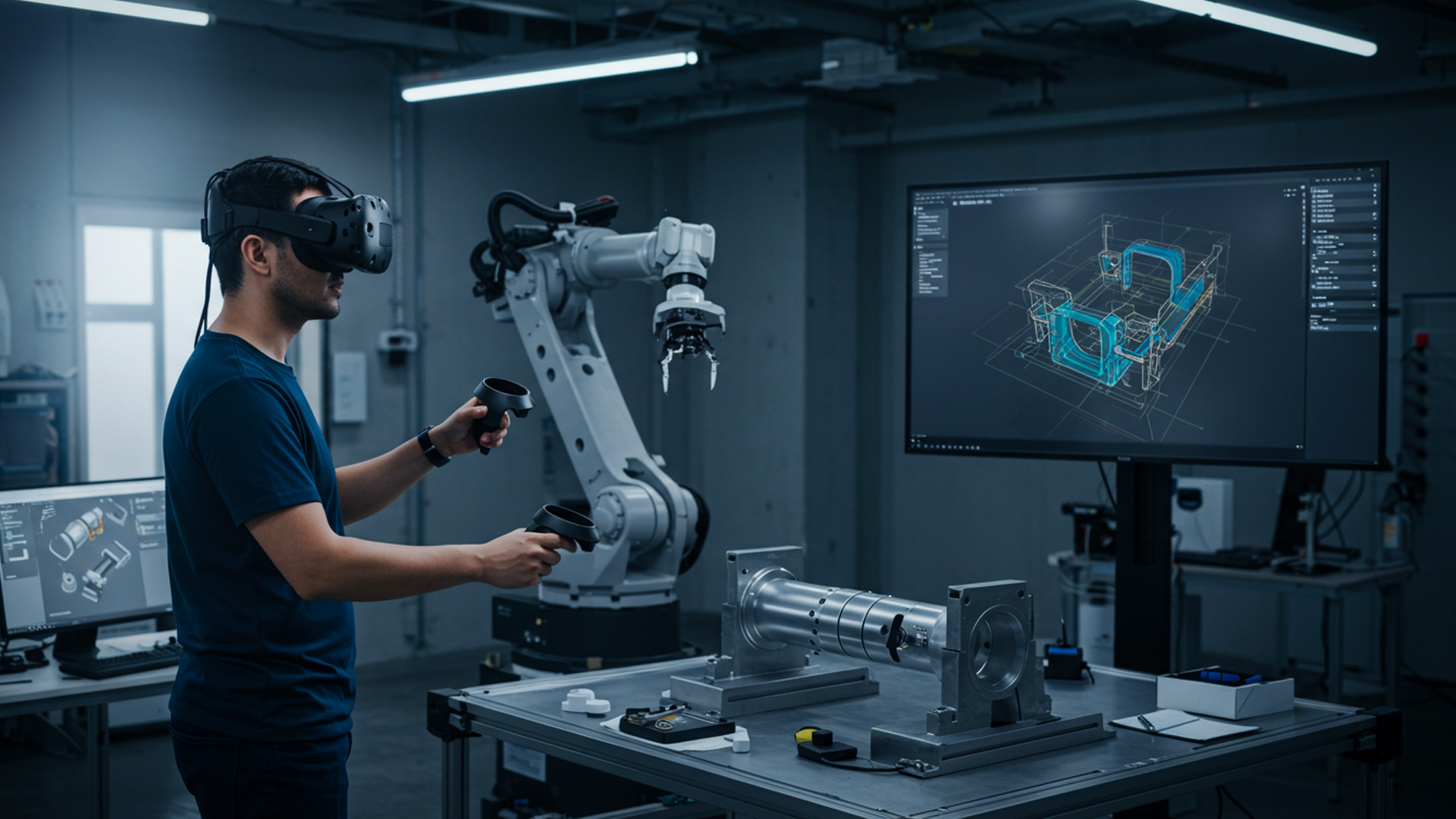
In the realm of product development, VR fosters a collaborative atmosphere where teams can visualize concepts, iterate designs, and resolve issues in real time. Designers, engineers, and marketers can immerse themselves in a shared virtual workspace to scrutinize every facet of a product prototype. This holistic approach accelerates the design cycle by enabling rapid prototyping and immediate feedback, reducing the time between ideation and market launch. The tactile experience of interacting with a three-dimensional model encourages innovative problem-solving and inspires creative breakthroughs that traditional methods might stifle.
VR-powered collaborative sessions democratize the development process, allowing every stakeholder to contribute their insights irrespective of their location. This inclusivity nurtures a sense of shared ownership and accountability, transforming product development into a collective endeavor. The integration of immersive technology streamlines communication and minimizes the delays often encountered in remote collaboration, ensuring that ideas evolve efficiently. By converging diverse expertise in a unified virtual space, companies harness the full potential of collaborative innovation, transforming abstract concepts into tangible, market-ready products with enhanced precision and speed.
Immersive Data Visualization
Immersive data visualization in VR transforms raw information into interactive, multidimensional experiences that reveal hidden patterns and insights. Instead of sifting through endless spreadsheets or static charts, decision-makers can explore data in a dynamic, spatial context. This technological leap allows users to manipulate variables in real time and observe the immediate effects of their adjustments. With data rendered in vivid three-dimensional landscapes, abstract numbers become intuitive visual stories that enhance comprehension and facilitate strategic decision-making.
The power of immersive visualization lies in its ability to translate complex datasets into accessible, engaging formats. As executives navigate through digital environments filled with interactive graphs and heat maps, they gain an enriched perspective on market trends, operational efficiencies, and customer behavior. This approach not only streamlines the analytical process but also fosters an environment where innovation and informed risk-taking flourish. By merging data science with immersive technology, businesses gain a competitive edge, transforming data interpretation into a dynamic, transformative experience that drives growth and operational excellence.
VR in Architecture and Engineering
Virtual Site Tours and Project Visualization
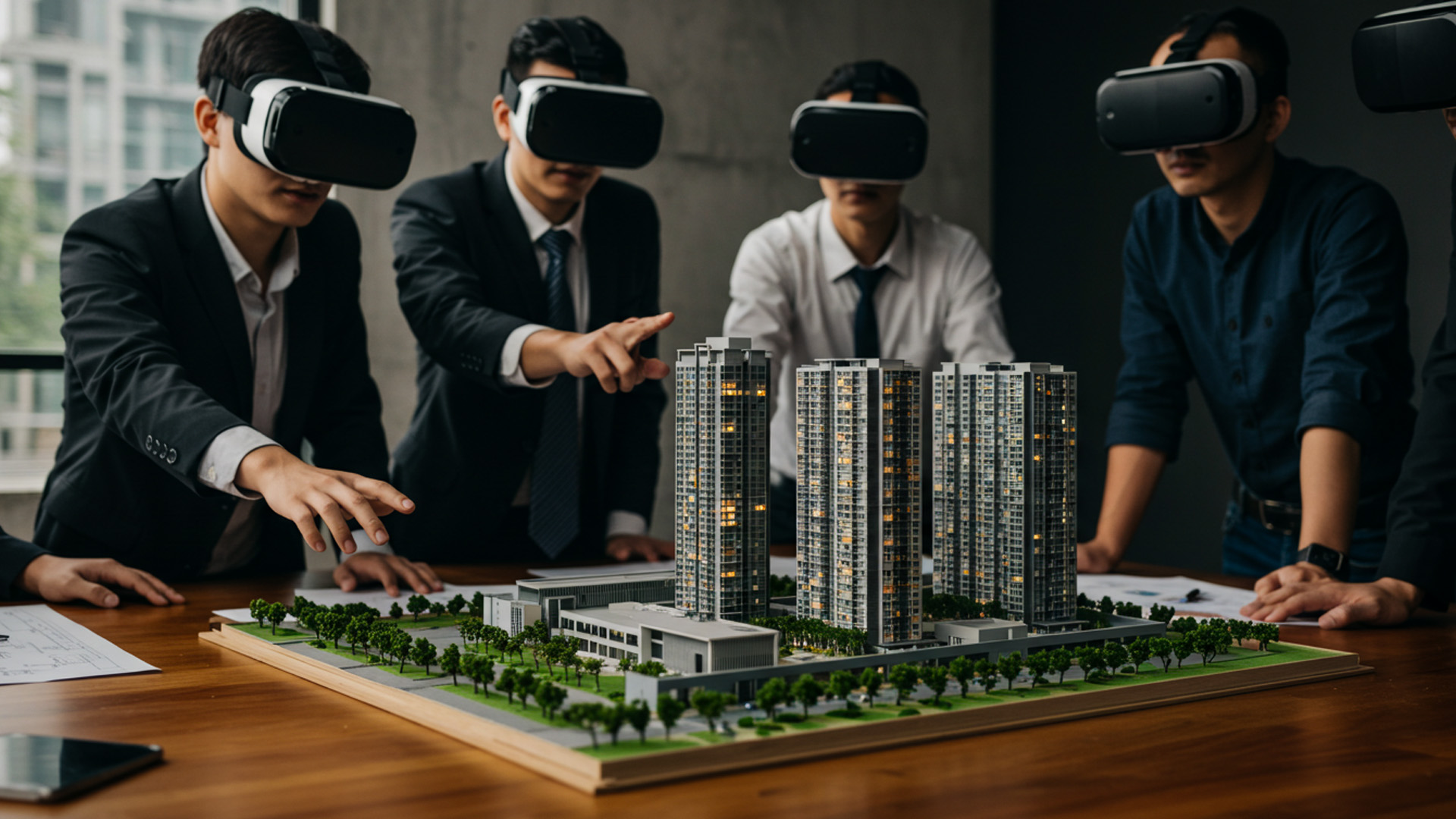
In architecture and engineering, virtual site tours are revolutionizing the way professionals visualize and present projects. By leveraging VR, designers and clients can virtually walk through proposed structures before construction begins, experiencing spatial relationships and design details firsthand. This immersive approach allows stakeholders to detect potential issues early in the planning stage and make informed decisions that streamline project execution. The ability to simulate lighting, textures, and spatial dynamics in real time transforms abstract blueprints into tangible, interactive experiences that resonate with both experts and laypersons alike.
This innovative use of VR not only enhances communication between architects and clients but also expedites the decision-making process. Virtual site tours allow for real-time modifications and iterative design adjustments, ensuring that every detail aligns with the client's vision. The process mimics a guided journey through a future space, where every corner and contour can be explored with clarity and precision. As the technology continues to mature, VR-driven project visualization is poised to become a standard practice, elevating the quality and accuracy of architectural designs while fostering greater collaboration across project teams.
Design Prototyping and Iterative Testing
VR is reshaping design prototyping by offering a platform for rapid iteration and hands-on testing of architectural models. In a virtual environment, designers can create, modify, and test their prototypes without the time and cost constraints associated with physical models. This digital sandbox encourages experimentation with innovative materials, unconventional forms, and novel structural solutions. Iterative testing in VR not only uncovers potential flaws early on but also refines design aesthetics and functionality in a fluid, dynamic manner that parallels real-world constraints.
By simulating real-life conditions, such as environmental impacts and user interactions, VR enables engineers and architects to fine-tune their designs with unprecedented precision. The iterative process is enhanced through immediate visual feedback and collaborative input from multidisciplinary teams. As adjustments are made in real time, stakeholders gain a comprehensive understanding of how a design will perform under various conditions. This synergy between technology and creativity paves the way for groundbreaking architectural achievements, where form and function converge seamlessly to meet the demands of modern construction.
Interactive Urban Planning Simulations
Interactive urban planning simulations in VR are transforming how cities envision and execute large-scale development projects. By constructing digital replicas of urban landscapes, planners can simulate traffic flows, pedestrian movements, and environmental impacts with remarkable accuracy. These simulations provide an invaluable tool for testing different scenarios and gauging the potential effects of proposed changes before implementing them in the real world. The process is akin to playing a strategic game where every decision reshapes the urban fabric, offering a risk-free environment for creative problem-solving and long-term planning.
Through VR, urban planners and community stakeholders can collaboratively explore a city’s evolution, identifying opportunities to enhance sustainability, efficiency, and livability. The immersive nature of these simulations fosters a deeper understanding of spatial dynamics and urban interconnectivity. By visualizing future cityscapes in vivid detail, decision-makers can reconcile diverse perspectives and design solutions that balance growth with quality of life. This integrative approach not only streamlines planning processes but also ensures that urban development is both innovative and resilient, paving the way for smarter, more adaptable cities.
Author: Elisha Roodt
Sharing the best of Virtual Reality Durban with local VR experiences, events, and immersive tech insights from Durban and KwaZulu-Natal.