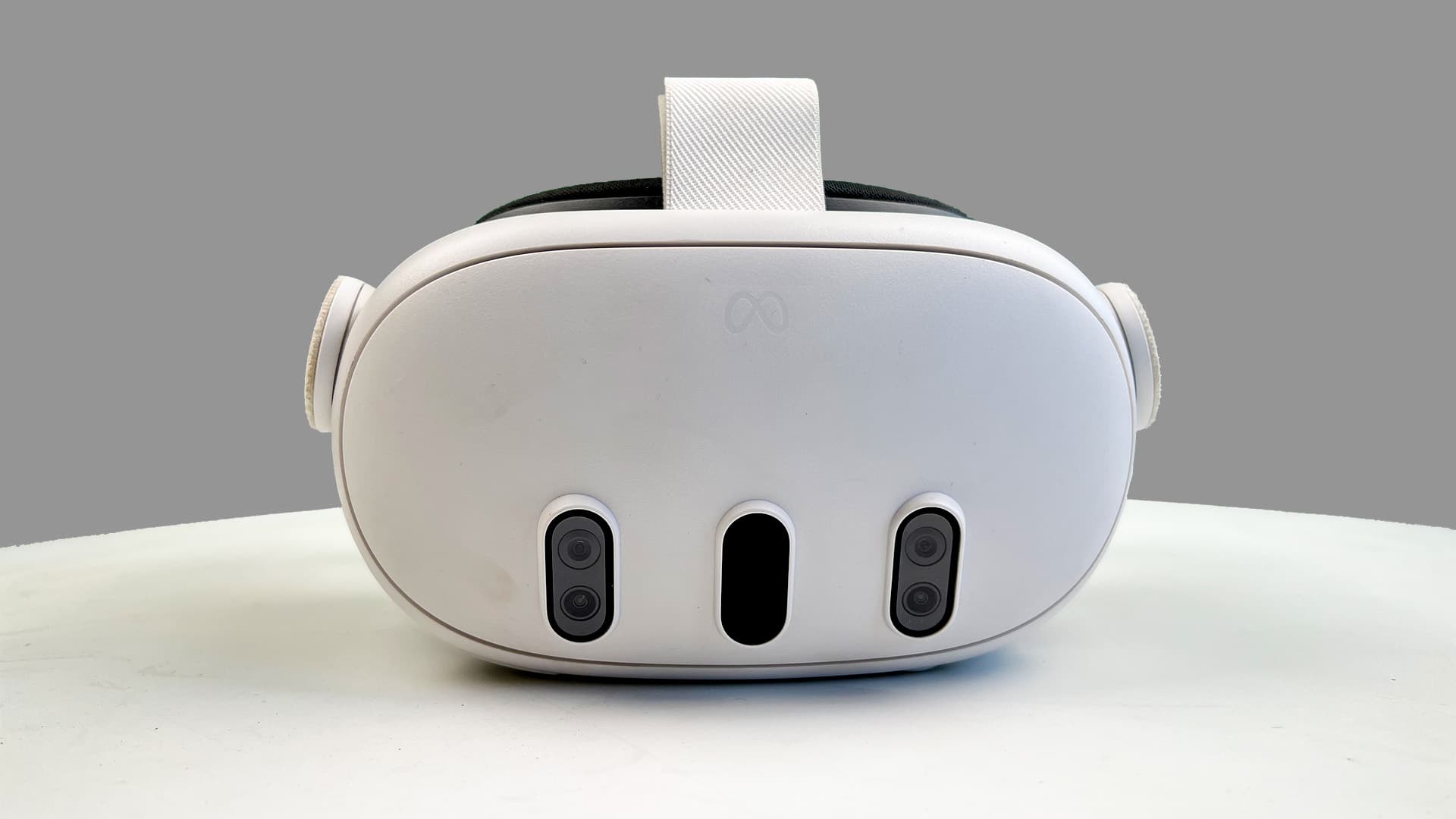
Quest 3 128GB Discontinued, Meta Drops Quest 3 512GB by $150 (R 2600)
Meta's recent decision to discontinue the 128GB version of its Quest 3 headset and significantly drop the price of the 512GB model by $150 (around...
Meta's recent decision to discontinue the 128GB version of its Quest 3 headset and significantly drop the price of the 512GB model by $150 (around R2600) marks a turning point in the virtual reality (VR) industry. This move is not just about phasing out an older model, but it reflects Meta's broader strategy to cater to the growing demand for more powerful VR experiences. With storage playing a critical role in VR, larger capacities allow users to store more complex games, apps, and interactive content, paving the way for richer, more detailed virtual worlds.
For consumers, this price drop offers more than just a financial advantage—it presents a gateway to higher-quality, uninterrupted experiences. By making the 512GB model more affordable, Meta is encouraging users to embrace the potential of advanced VR applications that require larger storage, such as high-resolution games, 3D films, and professional-grade VR tools. This increased accessibility could attract a wider audience, including gamers, educators, and even businesses looking to explore VR for training or collaboration.
Meta’s decision might also spark a competitive shift in the industry. Other VR hardware companies could feel pressured to match or surpass Meta's offerings, possibly driving innovation and more aggressive pricing across the board. Ultimately, this bold step by Meta could accelerate the evolution of VR technology, bringing consumers closer to a future where high-quality virtual experiences are more accessible and integrated into everyday life.
Meta’s Strategic Shift: Why the 128GB Version is Being Discontinued
Meta’s decision to discontinue the 128GB version of the Quest 3 is a calculated move, rooted in the changing needs and expectations of VR users. As the virtual reality landscape evolves, so too does the size and complexity of VR content. Games and applications are becoming more data-intensive, requiring higher storage capacities to run smoothly and efficiently. The 128GB model, while attractive for its lower price at launch, has increasingly struggled to meet the demands of users who want to store more media, games, and immersive content.
In this context, Meta's pivot to larger storage options is not just about offering a more premium product but is a response to the practical needs of its audience. By focusing on the 512GB version, Meta is ensuring that users can access a broader range of experiences without the frustration of constantly managing storage space. This shift is particularly relevant as virtual environments become richer, featuring higher-resolution graphics and more interactive features, all of which require significant storage to function optimally.
Additionally, Meta’s strategy aligns with its broader vision of expanding the capabilities of virtual reality. The company is positioning itself to lead the next wave of VR innovation, where users will increasingly rely on headsets capable of handling advanced applications such as expansive open-world games, detailed 3D simulations, and professional VR tools. By prioritizing larger storage capacities, Meta is not just addressing current consumer needs but is preparing them for the future of VR, where more demanding and immersive experiences will be the norm.
What the Price Drop Means for Consumers
The $150 (R2600) price reduction for the 512GB version of Meta's Quest 3 is more than just a financial relief for consumers—it’s a transformative shift in terms of the value proposition. By slashing the price, Meta is effectively making high-capacity VR technology more accessible to a broader audience, especially for those who may have previously been deterred by the cost of larger storage models. This price drop lowers the entry barrier for users who want to experience VR in its most advanced form, without constantly worrying about running out of space for their games, apps, or multimedia content.
For avid VR users—such as gamers and professionals who rely on virtual reality for tasks like design, development, or education—the price reduction brings significant benefits. These individuals typically require substantial storage to house their extensive libraries of applications and high-quality media. The expanded capacity of the 512GB model allows them to fully immerse in their virtual worlds without the hassle of frequently managing or deleting files to make room for new content.
In the broader VR market, this move puts Meta's Quest 3 in a highly competitive position. With this price cut, the headset now offers premium features—specifically its substantial storage—at a much more affordable rate compared to similar high-end VR devices. This not only enhances Meta’s value proposition but could also prompt a shift in consumer expectations, where larger storage and lower prices become the new standard in the industry. Ultimately, the price drop makes high-performance VR experiences more accessible, paving the way for a more widespread adoption of the technology.
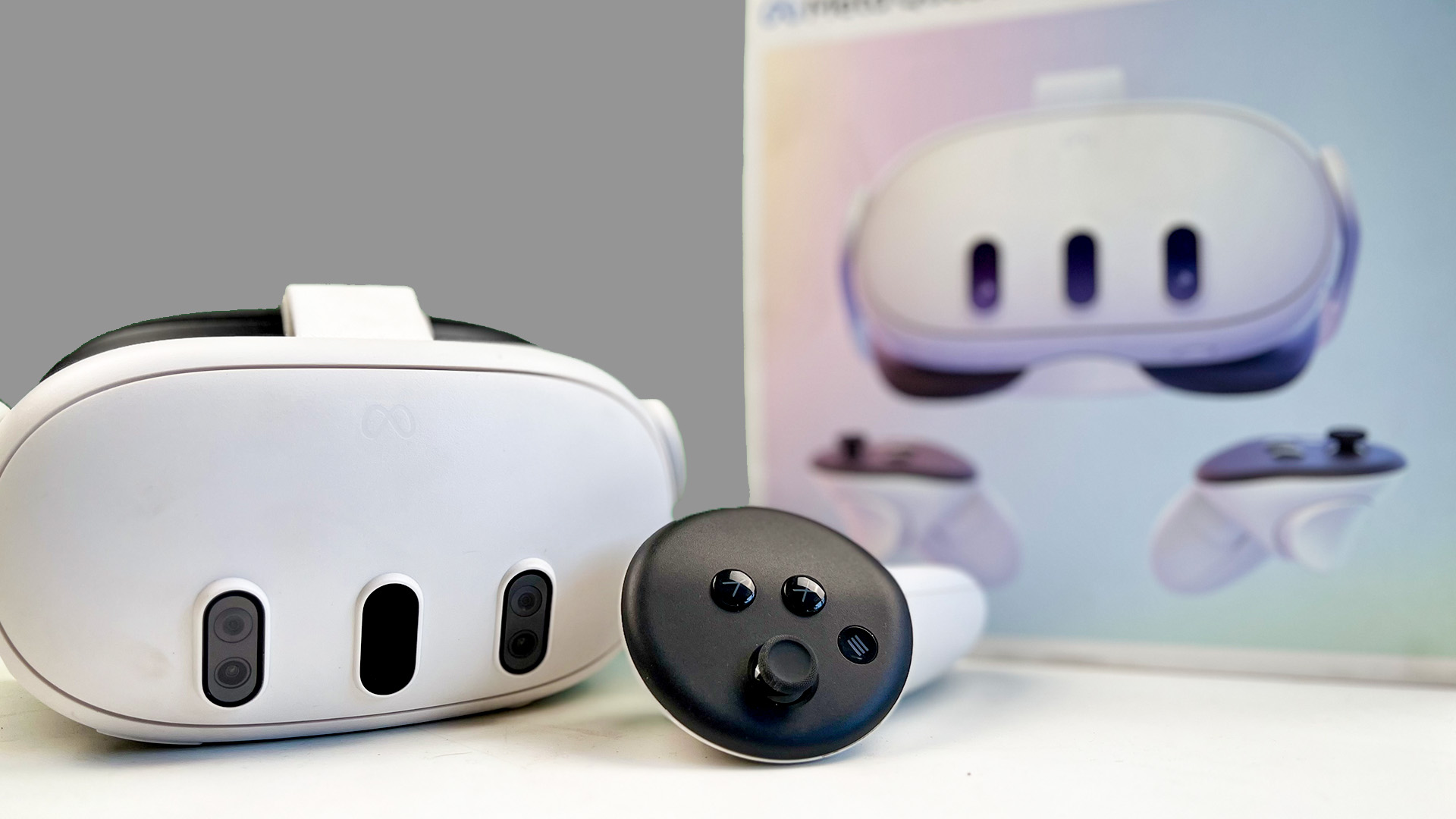
The Impact of Storage on VR Experiences
Storage plays a pivotal role in shaping the virtual reality experience, acting as the backbone that supports the growing demands of modern VR games and applications. VR environments are increasingly large and complex, often requiring substantial storage to accommodate high-resolution textures, detailed models, and expansive world-building. Many VR titles also require frequent updates, patches, and downloadable content (DLC), all of which consume significant space. Without ample storage, users would face the frustrating task of constantly managing their content, deleting and reinstalling files to make room for new experiences.
The 512GB version of the Quest 3 eliminates these concerns, providing users with the freedom to store a wide range of apps, games, and multimedia content without compromise. This larger storage capacity allows for a seamless integration of more advanced and data-heavy experiences, from immersive open-world games to detailed VR simulations used in education, design, or professional settings. The luxury of extra storage also future-proofs the device, ensuring that users won’t need to upgrade or replace it as VR technology continues to evolve and demand more space.
As VR experiences become increasingly sophisticated, having more storage will be essential for keeping up with the industry’s progression. High-definition graphics, 3D models, and complex interactive environments will require even more storage as developers push the boundaries of what VR can achieve. Investing in a device with larger storage, like the 512GB Quest 3, ensures that users remain at the forefront of these advancements, able to fully immerse themselves in the future of VR without the worry of running out of space.
Comparing the 128GB and 512GB Quest 3 Models
When comparing the 128GB and 512GB Quest 3 models, the primary differences are not in the core hardware but in the overall user experience, especially related to storage and usability. Both models are equipped with the same processing power, display, and features, but the 128GB version’s limited storage means that users may run into challenges much sooner. For instance, users of the 128GB model may find themselves restricted when it comes to downloading large VR games and applications, especially as these titles continue to grow in size and complexity. This can lead to slower load times when switching between apps and the constant need to uninstall and reinstall content to manage space.
The 512GB model, on the other hand, offers a much smoother experience, allowing users to download and store a vast array of games, apps, and media without worrying about space constraints. With this expanded storage, there’s no need to constantly juggle content or face delays due to insufficient storage. This is particularly valuable for those who use VR regularly or engage with high-resolution games, 3D media, or professional VR applications that require significant storage space.
Now that the 512GB version has seen a substantial price reduction, it represents a much better value compared to the 128GB model. For a relatively small additional investment, users can enjoy a hassle-free experience with no performance compromises, making the larger storage model an obvious choice for most consumers.
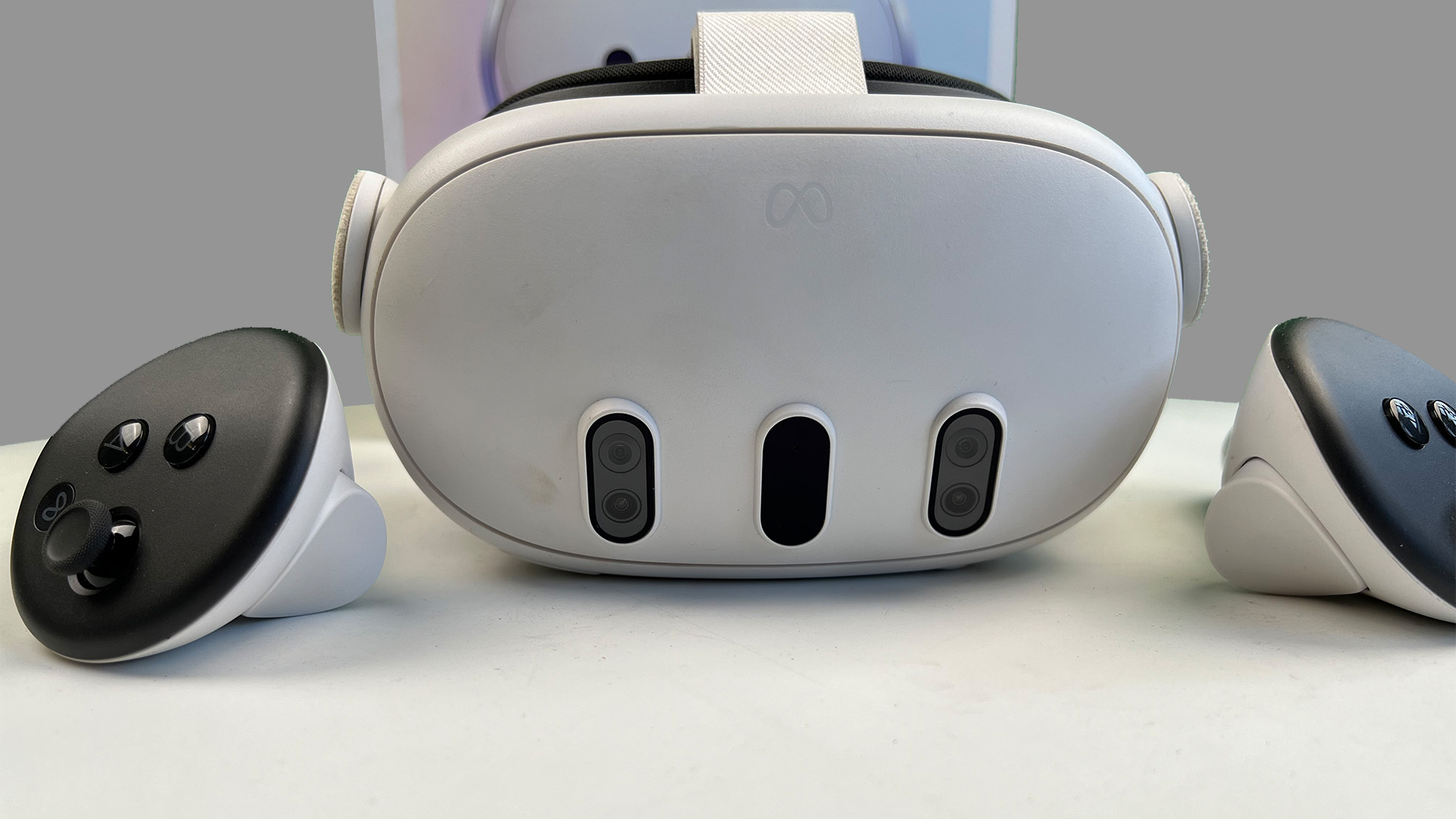
Global and Local Reactions to Meta’s Announcement
Meta’s announcement of discontinuing the 128GB Quest 3 and reducing the price of the 512GB model has generated significant reactions globally. VR enthusiasts around the world have expressed excitement, with many seeing the price drop as a golden opportunity to upgrade their devices. Social media platforms have been flooded with positive comments, with users celebrating Meta’s decision as the final incentive needed to either upgrade their current VR setup or dive into virtual reality for the first time. For some, the price reduction has made a once-luxury device far more accessible, paving the way for a broader adoption of immersive technologies.
Industry analysts have also taken note of Meta’s strategic move. Experts view the discontinuation of the 128GB model as a smart consolidation of their product line, driving sales toward the higher-end 512GB model while streamlining production costs. This decision aligns with Meta's broader vision of the future of VR, where more advanced applications will require greater storage capacities. By encouraging users to opt for larger storage models, Meta is ensuring that its devices are equipped to handle the growing complexity of virtual environments and applications, which is critical as VR technology continues to evolve.
In South Africa, the price reduction has been particularly well-received. With the R2600 savings, the cost of the 512GB model becomes far more accessible to local consumers, who previously may have hesitated due to higher price points. This development could lead to a significant increase in VR adoption across the region, offering South African users greater access to premium VR experiences. Meta’s influence in international markets, particularly in regions like South Africa, stands to grow as more consumers can now afford and engage with its cutting-edge technology.
What’s Next for Meta’s Quest Line
Speculation is building around what Meta’s next move might be following the discontinuation of the 128GB Quest 3 model. Many believe this decision could be a signal that Meta is preparing to release future iterations of the Quest headset, possibly with even larger storage capacities or cutting-edge features. Meta’s track record of innovation and its commitment to advancing virtual reality technology suggest that the next major upgrade to the Quest line could arrive sooner than expected, potentially offering new enhancements that cater to the evolving needs of VR users.
By phasing out the 128GB model, Meta seems to be positioning itself for the next phase of VR development, where users will require more storage to fully engage with the increasingly complex and detailed virtual environments being developed. As the VR ecosystem continues to grow, Meta’s strategy reflects an understanding that future VR experiences will demand more from both hardware and storage. The 512GB model’s price drop not only makes advanced VR more accessible but also ensures that consumers are equipped to handle larger games, apps, and media as they become available.
Rumors surrounding potential new features for the next Quest iteration include improvements in optics, more responsive haptic feedback, and deeper integration with Meta’s larger metaverse ambitions. These advancements would push the boundaries of immersive technology, offering users more lifelike and interactive experiences. As Meta continues to refine its hardware offerings, it is likely that future devices will focus on improving immersion, comfort, and performance to meet the growing expectations of VR users.
Meta’s bold decision could also have ripple effects across the VR industry, pushing competitors to rethink their pricing strategies and product offerings. As Meta continues to lead in innovation, it is setting a new standard for what consumers can expect from VR technology, ensuring that the future of immersive experiences remains vibrant and full of possibilities.
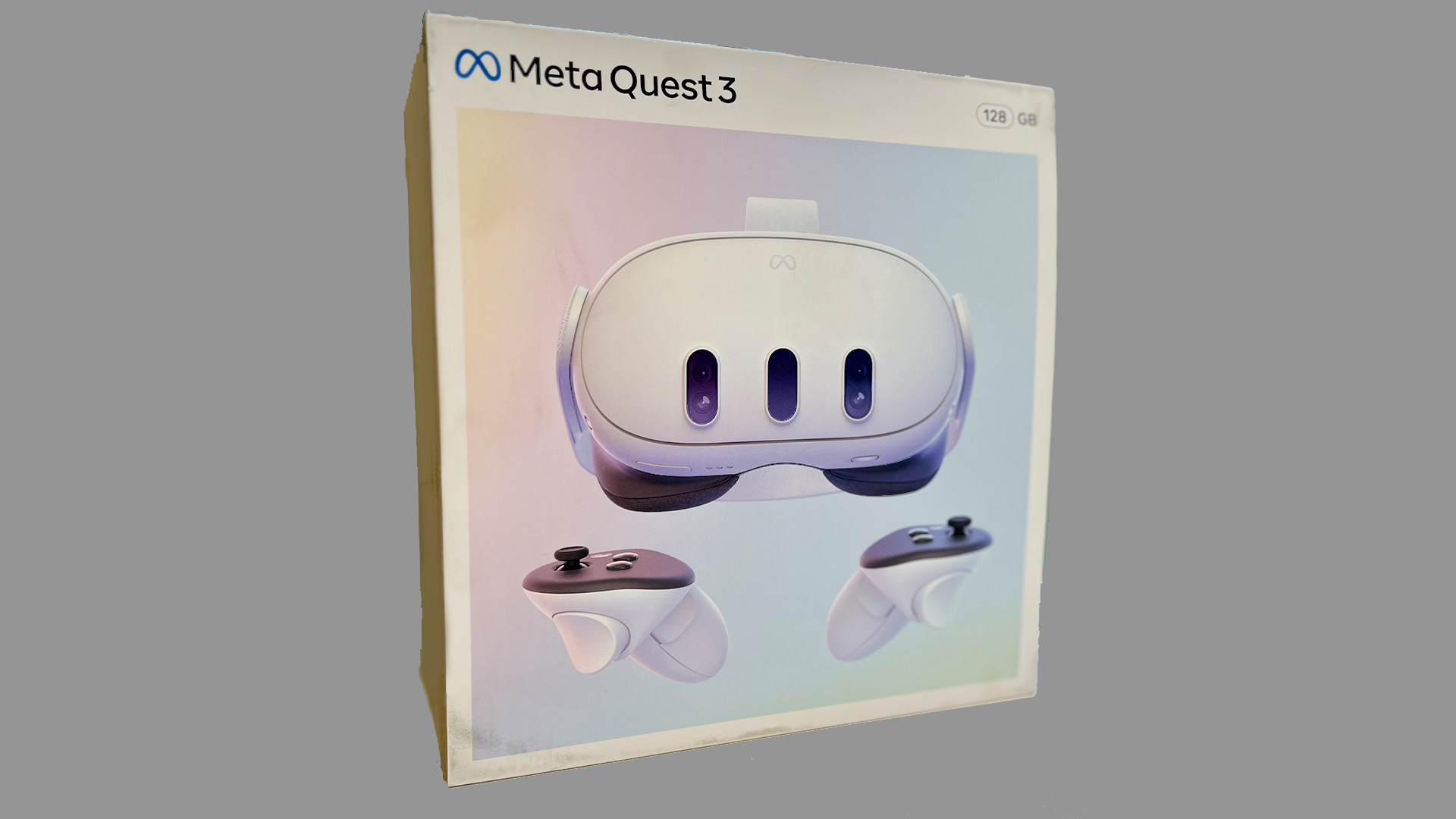
Global And Local Reactions To Metas Announcement
Author: Elisha Roodt
Sharing the best of Virtual Reality Durban with local VR experiences, events, and immersive tech insights from Durban and KwaZulu-Natal.