The Latest Trends in VR Gaming
Virtual reality (VR) gaming has evolved from a niche market into a mainstream phenomenon, captivating gamers worldwide with its unparalleled...
Virtual reality (VR) gaming has evolved from a niche market into a mainstream phenomenon, captivating gamers worldwide with its unparalleled immersion and interactive experiences. As we delve into the latest trends in VR gaming, it's clear that the industry is not just growing; it's thriving, pushing the boundaries of what's possible in digital entertainment.
Immersive Gaming Experiences:
One of the most significant appeals of VR gaming is its ability to transport players into vivid, interactive worlds. Modern VR headsets offer high-resolution displays and advanced motion tracking that make virtual environments more realistic and engaging than ever before. Games like "Half-Life: Alyx" have set a high bar for immersive storytelling and gameplay, demonstrating the potential of VR to deliver complex narratives combined with interactive gameplay that traditional gaming cannot match.
Rise of Social Interaction in VR:
The social aspect of VR gaming is rapidly expanding. Platforms like VRChat and Rec Room allow players to interact with others in a fully virtual environment, offering a new dimension of social connectivity. These platforms are not just about gaming; they are virtual communities where people can attend concerts, take classes, and participate in a wide range of activities. The social dynamic is also seeing integration in more traditional games, where multiplayer options enable players to team up or compete in real-time VR environments.
Advances in Technology:
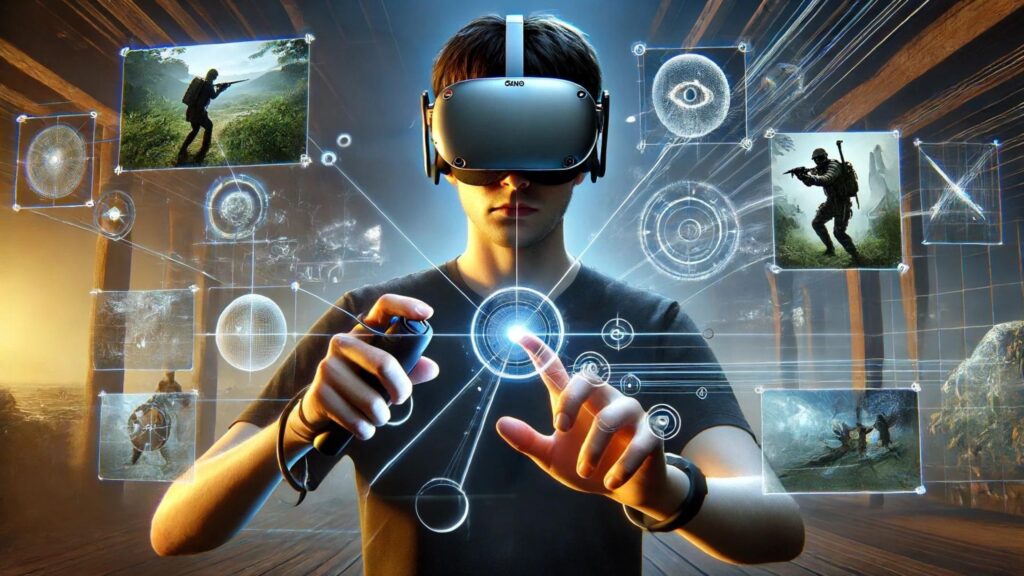
The technology behind VR gaming continues to advance, making VR more accessible and enjoyable. Wireless headsets, such as the Oculus Quest 2, have removed the cumbersome cables that once tethered players to a PC, offering a much freer and more engaging experience. Furthermore, improvements in hand tracking technologies allow for more natural interactions within the game, such as picking up objects, casting spells, or using weapons.
Eye-tracking technology is another frontier being integrated into newer VR systems. This not only improves user interface interactions by allowing menus and options to be selected with just a glance but also enhances game realism through foveated rendering—a technique that reduces the rendering workload by focusing graphical fidelity where the player's eye is focused.
Popular Games and Content:
The range of available VR content is more diverse than ever. From intense action games and sprawling RPGs to tranquil puzzle games and life simulation experiences, there's something for everyone in the VR landscape. Titles like "Beat Saber" and "The Elder Scrolls V: Skyrim VR" continue to dominate popularity charts, appealing to both casual and hardcore gamers alike.
Indie developers have also played a pivotal role in enriching the VR gaming ecosystem with innovative and experimental content. These smaller studios often push creative boundaries more than larger companies, introducing new gameplay mechanics and storytelling techniques that larger studios later adopt.
Educational and Training Applications:
Beyond entertainment, VR gaming technologies are being harnessed for educational purposes and professional training simulations. Virtual reality offers an immersive learning environment, ideal for training in fields such as medicine, aviation, and the military. For example, VR simulations can train surgeons on complex procedures or prepare soldiers for battlefield scenarios without the risks associated with real-life training.
The Future of VR Gaming:
Looking to the future, VR gaming is set to become even more immersive and interactive. The integration of artificial intelligence (AI) with VR could lead to smarter, more responsive virtual characters and environments that adapt to individual player actions and preferences, offering a truly personalized gaming experience.
As VR technology continues to evolve, the line between virtual and augmented reality will likely blur, leading to new hybrid experiences that could integrate real-world elements into the gaming environment. This convergence could redefine entertainment, education, and even how we interact with the digital world.
Consumer VR gaming is at an exciting crossroads, with technological advancements and creative innovations driving the industry forward. As VR continues to break down the barriers between players and the digital worlds they inhabit, its role in entertainment and beyond looks set to grow even larger. Whether you're a seasoned gamer or a newcomer to this digital frontier, the world of VR gaming offers a dynamic and thrilling adventure that is just beginning to unfold.
Author: Elisha Roodt
Sharing the best of Virtual Reality Durban with local VR experiences, events, and immersive tech insights from Durban and KwaZulu-Natal.