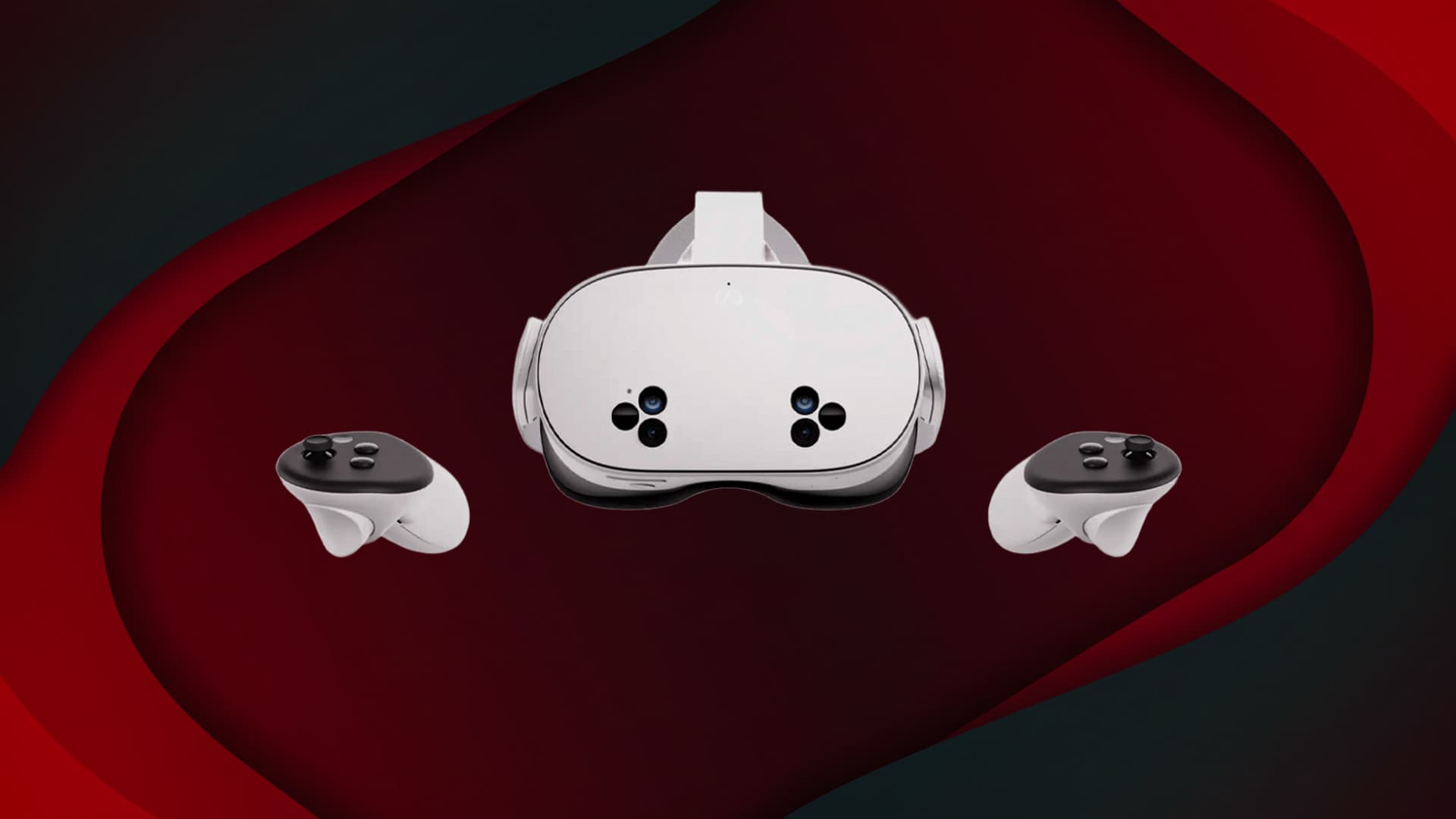
The Latest VR Headsets of 2025
Explore the latest VR headsets of 2025, showcasing breakthrough designs, immersive technology, and advanced features that uniquely redefine digital experiences, gaming, and professional applications worldwide.
Exploring Next-Generation Virtual Reality Innovations for Unparalleled Immersion
In 2025, virtual reality is not merely a niche frontier—it has evolved into a transformative medium that redefines how we interact with digital worlds. Today’s VR headsets combine state-of-the-art optics with engineering precision, delivering immersive experiences that rival reality itself. Pioneering innovations in display technology, haptic feedback, and audio immersion converge in these devices, empowering users to traverse fantastical realms and simulate real-life environments with uncanny fidelity. The design ethos is rooted in both aesthetics and ergonomic functionality, ensuring that prolonged usage is as comfortable as it is captivating. As industry leaders and independent creators continue to push the envelope, the line between the virtual and the tangible becomes increasingly blurred. This dynamic evolution invites enthusiasts and skeptics alike to explore the sophisticated interplay of technology, design, and human experience in today’s VR ecosystem.
Cutting-Edge Design and Engineering
Sleek Aesthetics and Ergonomics
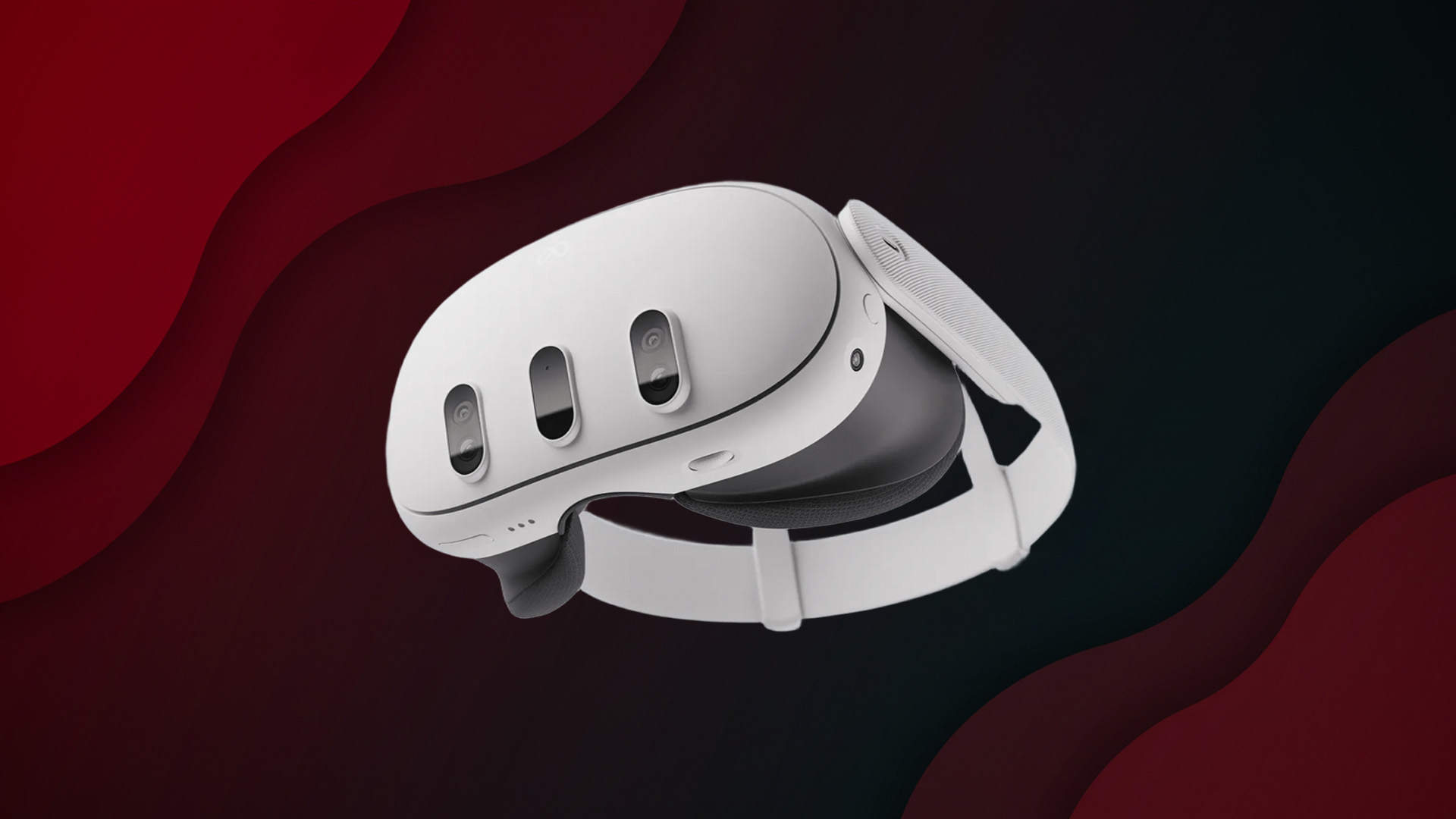
The design journey of the latest VR headsets is a testament to the fusion of art and engineering. Modern devices boast sleek contours and minimalist lines, reminiscent of futuristic sculptures that also serve a functional purpose. Designers have meticulously refined every curve and surface to optimize both visual appeal and ergonomic support. Imagine a scenario where a marathon gamer or a dedicated professional immerses themselves in a virtual world for hours; the headsets are crafted to distribute weight evenly, minimizing pressure points while offering a seamless interface with the human form. Each element—from the soft, adjustable cushioning to the strategically placed ventilation—has been honed to elevate the user experience. This synergy of style and substance not only enhances comfort but also reflects the advanced research behind user-centric design, drawing inspiration from disciplines as varied as aerospace engineering and industrial design.
The ergonomic innovations are accompanied by a sophisticated interplay of hardware and software. Engineers have incorporated adaptive fitting mechanisms that automatically adjust to various head shapes, ensuring an almost bespoke experience for each user. This dynamic adjustment is akin to a well-conducted symphony, where every component works in harmony to create an optimal balance of comfort and performance. The subtle integration of sensor technology and lightweight structural materials results in a headset that feels as natural as a pair of finely tailored glasses. Such advancements underscore the importance of marrying aesthetics with functionality—delivering not only a visually striking device but also one that supports sustained interaction and minimizes user fatigue during extended sessions.
Advanced Materials and Durability
Innovation in materials science has paved the way for VR headsets that are both robust and refined. Manufacturers now employ advanced composites and aerospace-grade alloys to construct devices that are resilient without sacrificing style or comfort. These materials, often engineered through processes originally designed for high-performance motorsports, ensure that the headsets can withstand the rigors of daily use. The integration of carbon fiber reinforcements and high-impact polymers not only reduces overall weight but also enhances durability. Consider the scenario of an avid user traversing multiple virtual environments—from high-intensity gaming to professional simulations—where the device must endure varying degrees of stress and movement. The engineering behind these headsets is akin to the design of luxury sports cars, where every component is crafted with precision to balance elegance with endurance.
In parallel with these material breakthroughs, rigorous testing protocols ensure that each headset meets stringent durability standards. Advanced stress simulations and real-world usage trials help designers fine-tune every element of the build, guaranteeing that the product remains reliable even under strenuous conditions. This meticulous approach reflects a broader commitment to quality, where every material choice is justified not only by performance metrics but also by its ability to complement the user’s lifestyle. The result is a headset that can endure accidental knocks and prolonged operational hours, offering both aesthetic appeal and long-term resilience in a rapidly evolving technological landscape.
Revolutionary Immersive Technologies
Ultra-High Resolution Displays
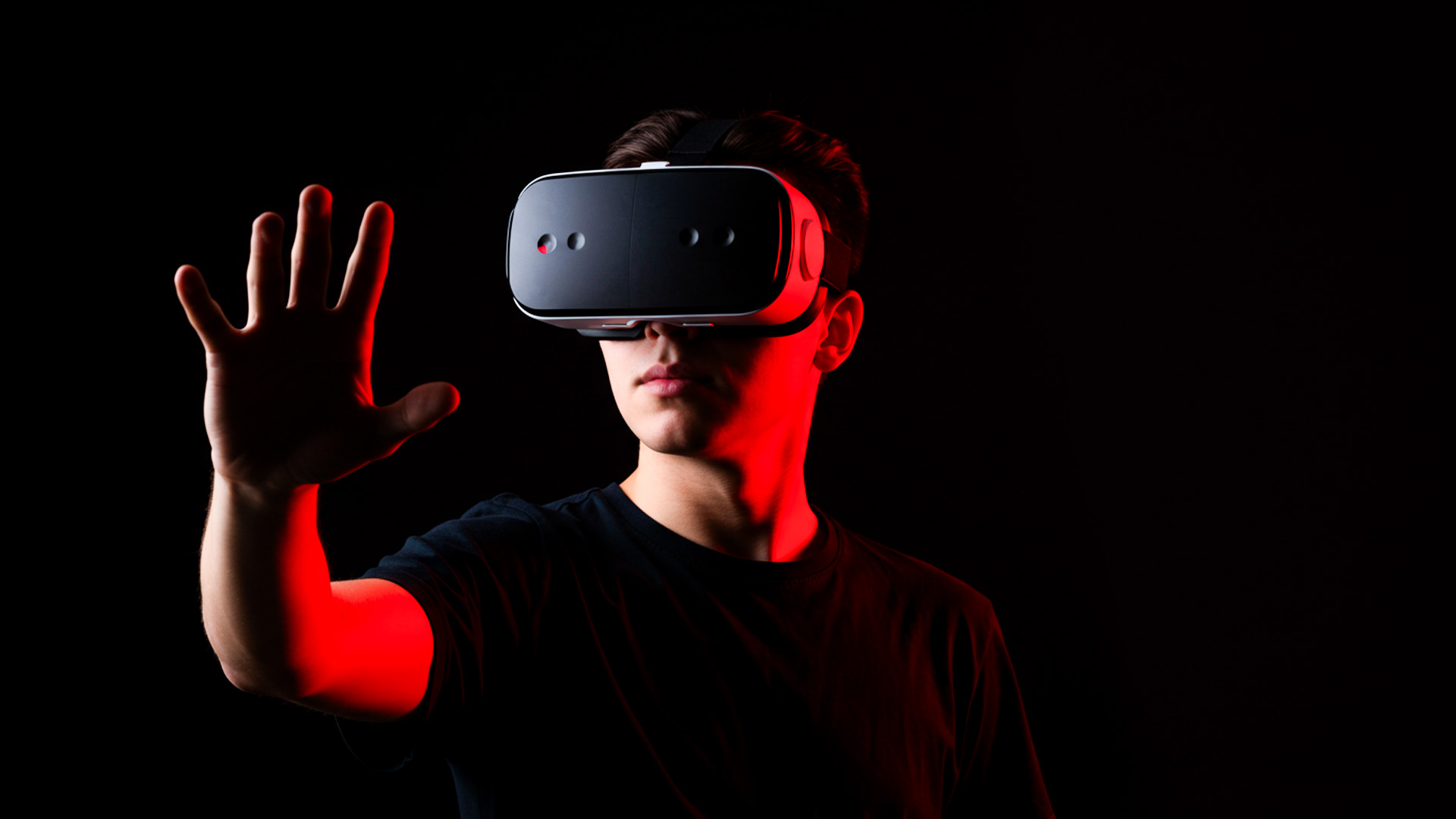
At the heart of 2025’s VR revolution lie ultra-high resolution displays that shatter previous limitations in visual fidelity. These cutting-edge screens feature pixel densities so refined that even the minutest details appear crisp and lifelike, transforming virtual worlds into immersive canvases of vibrant color and depth. The display technology harnesses innovations from quantum dot and microLED advancements, achieving a level of clarity that is both scientifically impressive and aesthetically captivating. Users are treated to an experience where every digital brushstroke and shadow is rendered with meticulous precision, enabling them to explore realms where the boundary between digital artistry and reality is virtually nonexistent. This breakthrough is much like upgrading from a standard definition television to a state-of-the-art digital cinema—a transformation that revolutionizes one’s sensory perception.
In practice, these displays incorporate adaptive refresh rates and low-latency responses that ensure smooth transitions and a reduction in motion blur. The technical prowess behind this achievement mirrors the relentless pursuit of perfection in high-performance computing, where every pixel is optimized for maximum impact. Such innovations empower developers to create intricate virtual environments that respond seamlessly to user interactions. The ultra-high resolution displays are not just about visual enhancement; they are the gateway to deeper immersion, ensuring that every virtual nuance is conveyed with vivid clarity. This level of detail invites users into a digital realm that is as engaging as it is realistic, redefining the potential of VR as an experiential medium that can captivate the mind and stimulate the senses.
Spatial Audio and Haptic Feedback
Complementing the visual marvels of today’s VR headsets, spatial audio and haptic feedback systems have reimagined how users experience sound and touch within virtual environments. Spatial audio technologies use advanced algorithms to simulate three-dimensional soundscapes that mimic the auditory cues of the real world. Listeners can pinpoint the direction and distance of every sound—from a whispered conversation in a digital alleyway to the rumble of a distant explosion. This auditory precision is analogous to an expertly composed symphony, where each instrument’s placement and volume contribute to a holistic sound experience. The immersive quality of these systems enhances not only entertainment but also practical applications such as virtual meetings and training simulations, where accurate sound localization can be a critical component of situational awareness.
Parallel to the auditory innovations, haptic feedback mechanisms introduce a tangible layer to virtual interactions. These systems use an array of finely tuned actuators to deliver precise vibrations and pressure cues that simulate physical sensations. Imagine navigating a rugged digital landscape where each step triggers a corresponding tactile response, or engaging in a high-stakes virtual battle where every impact is felt with realistic force. The convergence of spatial audio and haptic technology creates a multi-sensory experience that transcends the limitations of traditional interfaces. This harmonious integration of sound and touch elevates the VR experience into a fully embodied encounter—one where technology and human perception interlace to form a dynamic and engaging virtual reality.
Expanding Content Ecosystems
Diverse Software Libraries
The evolution of VR headsets in 2025 is paralleled by the expansion of diverse software libraries that fuel their immersive potential. Developers are now endowed with a vast array of tools and platforms, enabling them to craft intricate narratives and interactive experiences that cater to a wide spectrum of interests. These digital repositories house everything from high-octane gaming adventures to sophisticated educational simulations, offering content that is as varied as it is innovative. For instance, one might encounter a meticulously rendered historical simulation where the past is brought vividly to life, or dive into a futuristic metropolis crafted with layers of interactivity and narrative depth. This proliferation of content not only broadens the appeal of VR but also fosters a vibrant ecosystem where creativity is the ultimate currency.
What makes these software libraries particularly compelling is the seamless integration of cross-disciplinary innovation. The confluence of storytelling, artificial intelligence, and advanced graphics engineering has birthed experiences that engage both the mind and the senses. Developers are encouraged to experiment with unconventional ideas and push the boundaries of interactive media. Anecdotes abound of small independent studios achieving global recognition by leveraging these platforms to tell deeply personal and transformative stories. The dynamic interplay between creative expression and technical prowess in these libraries is reminiscent of an artist’s palette—each digital brushstroke contributing to a larger, immersive masterpiece that captivates audiences around the world.
Cross-Platform Interoperability
The drive toward cross-platform interoperability has redefined the landscape of virtual reality, creating a unified digital ecosystem that transcends individual hardware limitations. In 2025, VR headsets are engineered to seamlessly connect with multiple devices and operating systems, allowing users to transition effortlessly between immersive experiences on different platforms. This paradigm shift has catalyzed a wave of innovation, as developers now have the freedom to craft applications that are accessible regardless of the underlying hardware. The technological challenge of ensuring consistent performance across diverse systems has been met with ingenious solutions that blend software standardization with adaptive hardware integration. This interoperability is akin to a universal translator, harmonizing disparate systems into a coherent and inclusive virtual dialogue.
The benefits of such connectivity extend beyond mere convenience. By breaking down the silos that once confined users to isolated ecosystems, cross-platform interoperability fosters a more collaborative and expansive digital culture. Developers can now harness the strengths of various platforms to create richer, more immersive experiences, while consumers enjoy the freedom to explore content without being locked into a single vendor’s ecosystem. This democratization of access encourages innovation and competition, ultimately leading to more refined and user-centric products. In this evolving landscape, the seamless interconnection of devices and platforms represents a significant milestone—one that promises to reshape the future of digital interaction and elevate the overall quality of virtual experiences.
Market Trends and Future Prospects
Consumer Adoption and Feedback
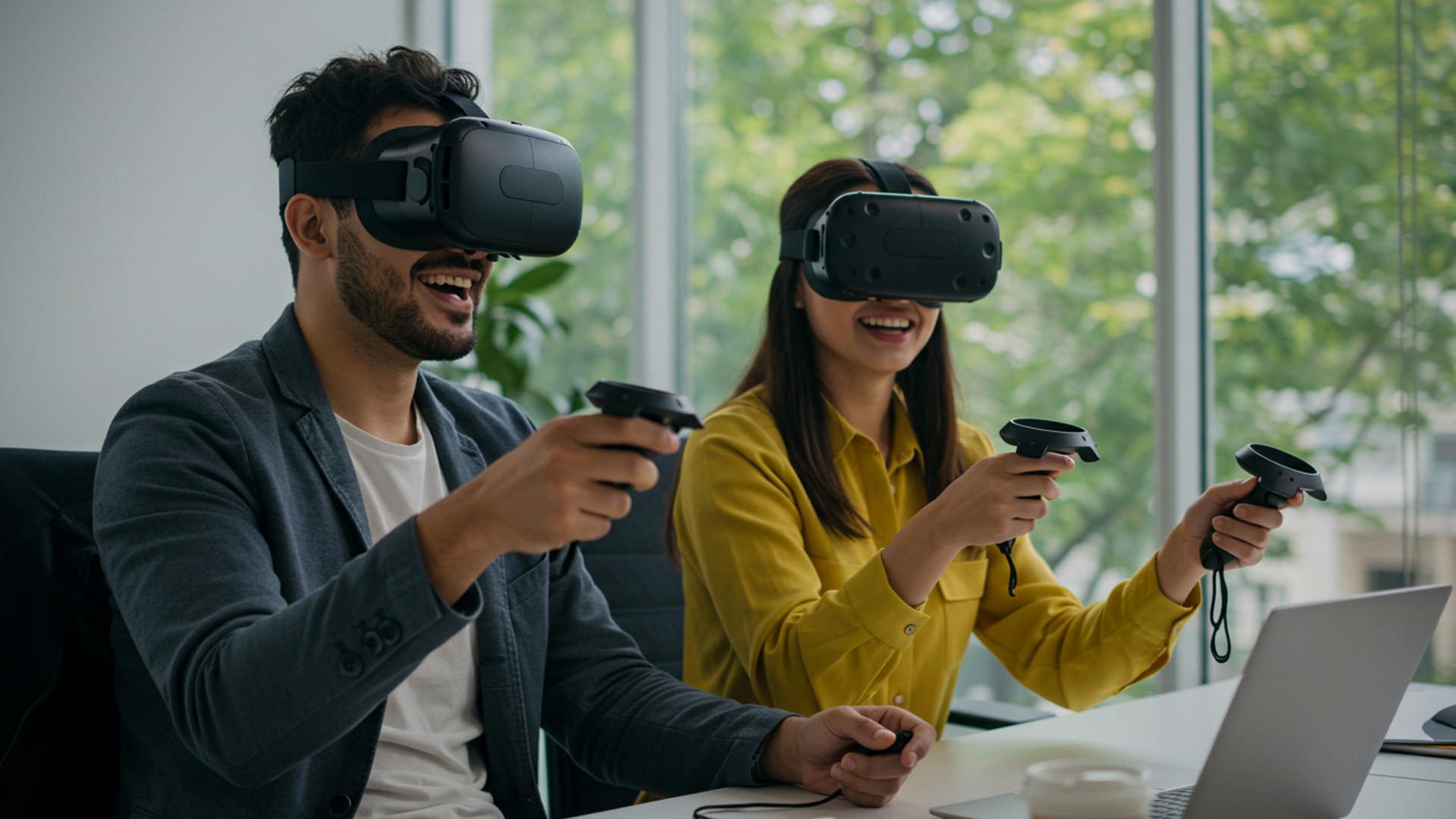
As virtual reality continues to integrate into everyday life, consumer adoption and feedback have become key drivers of innovation. Early adopters and mainstream users alike are vocal about their experiences, providing invaluable insights that help shape future iterations of VR headsets. These devices are no longer viewed solely as entertainment gadgets; they have emerged as critical tools in education, training, and even therapy. In vibrant online communities and user forums, real-life testimonials highlight how these headsets transform not only digital interactions but also personal and professional pursuits. This broad spectrum of feedback acts as a compass for manufacturers, guiding refinements in both design and functionality. It is as if every user becomes a co-creator in a dynamic dialogue that propels the technology toward unprecedented heights.
The feedback landscape is enriched by an amalgamation of quantitative reviews and anecdotal narratives. Detailed assessments—ranging from technical performance metrics to personal stories of immersive breakthroughs—underscore the importance of user experience in the evolution of VR technology. Such consumer insights mirror the feedback loops seen in other innovative industries, where iterative design and rapid prototyping drive progress. The collective voice of users provides a robust framework for addressing challenges and seizing opportunities, ensuring that each subsequent generation of VR headsets resonates more deeply with its audience. In essence, the consumer’s experience becomes both the catalyst and the benchmark for innovation, fostering a culture of continuous improvement that is essential for the sustained growth of the virtual reality market.
The Road Ahead: Innovations and Challenges
Looking forward, the horizon of virtual reality is dotted with both exhilarating innovations and formidable challenges. The pace of technological advancement in this arena is reminiscent of early space exploration—brimming with promise yet tempered by the complexities of uncharted territory. Pioneers in the VR industry are already mapping out next-generation enhancements, from integrating advanced artificial intelligence to refining biometric feedback systems that could one day render virtual interactions indistinguishable from reality. However, this rapid evolution is accompanied by challenges such as ensuring accessibility, managing data privacy, and overcoming the physical constraints of current hardware. The quest to balance cutting-edge innovation with pragmatic usability is a delicate dance, where each step forward is scrutinized by both technologists and everyday users.
This forward trajectory is driven by a spirit of relentless inquiry and creative risk-taking. Companies are investing heavily in research and development to explore radical ideas that could redefine the very nature of digital immersion. Yet, even as these innovations promise to unlock unprecedented experiences, they also invite critical debates about ethical use, sustainability, and the broader impact on society. The roadmap ahead is as much about technological breakthroughs as it is about forging responsible pathways through emerging complexities. In this dynamic landscape, every challenge presents an opportunity to recalibrate and innovate, ensuring that the evolution of VR continues to captivate imaginations while addressing the nuanced demands of a rapidly changing digital world.

Market Trends And Future Prospects
Author: Elisha Roodt
Sharing the best of Virtual Reality Durban with local VR experiences, events, and immersive tech insights from Durban and KwaZulu-Natal.