The Past, Present and Future of Virtual Reality
Virtual Reality (VR) gaming has evolved from a niche curiosity to a significant force in the gaming industry, captivating millions of players...
Virtual Reality (VR) gaming has evolved from a niche curiosity to a significant force in the gaming industry, captivating millions of players worldwide. This article delves into the history of VR gaming, examines its current state, and explores the exciting possibilities for its future.
The Origins of Virtual Reality Gaming
The concept of virtual reality can be traced back to the mid-20th century, but it wasn't until the 1980s and 1990s that VR began to gain traction in the gaming world.
1. Early Experiments
The idea of VR has been around for decades, with early experiments dating back to the 1960s. Morton Heilig's Sensorama, created in 1962, was one of the first attempts at creating an immersive multimedia experience. Although not a video game, the Sensorama combined 3D visuals, sound, and even scents to create a sense of presence in another world.
2. The Rise of Arcades and VR
In the 1980s, arcade games were at the forefront of gaming innovation. The game "Battlezone," released by Atari in 1980, is often cited as one of the first games to offer a semblance of VR. It used vector graphics to simulate a three-dimensional battlefield, viewed through a periscope-like device.
3. Sega and Nintendo's Early Attempts
In the 1990s, major gaming companies began to experiment with VR. Sega announced the Sega VR headset for the Genesis console in 1991, but the project was ultimately canceled due to technical limitations. Nintendo's Virtual Boy, released in 1995, was one of the first attempts to bring VR to the home console market. However, its monochromatic display, lack of head tracking, and ergonomic issues led to its commercial failure.
The Resurgence of VR: 2010s to Present
The 2010s marked a turning point for VR gaming, driven by significant technological advancements and the emergence of new players in the industry.
1. The Oculus Rift and Modern VR
The launch of the Oculus Rift in 2012 is often credited with kickstarting the modern VR revolution. Developed by Palmer Luckey, the Oculus Rift was initially a Kickstarter project that quickly gained momentum. Its success demonstrated that there was a substantial market for VR gaming.
2. Major Players Enter the Market
Following the success of the Oculus Rift, other major companies entered the VR space. Sony released the PlayStation VR in 2016, leveraging the existing PlayStation 4 user base. HTC partnered with Valve to create the HTC Vive, offering a premium VR experience with room-scale tracking.
3. Advances in Technology
Technological advancements have played a crucial role in the resurgence of VR gaming. Improvements in display technology, motion tracking, and processing power have made VR experiences more immersive and accessible. The introduction of inside-out tracking, which eliminates the need for external sensors, has also simplified the setup process for users.
4. The Emergence of Standalone VR Headsets
In recent years, standalone VR headsets have become increasingly popular. Devices like the Oculus Quest and Quest 2 offer a wireless, all-in-one solution, eliminating the need for a high-end PC or console. These headsets have broadened the appeal of VR gaming, making it more accessible to a wider audience.
The Current State of VR Gaming
Today, VR gaming is a vibrant and growing segment of the gaming industry, with a diverse range of experiences available to players.
1. A Diverse Range of Games
VR gaming now encompasses a wide variety of genres, from first-person shooters and puzzle games to sports simulations and rhythm games. Popular titles like "Beat Saber," "Half-Life: Alyx," and "The Walking Dead: Saints & Sinners" showcase the breadth and depth of VR gaming experiences.
2. Social and Multiplayer VR
Social VR platforms like VRChat and Rec Room have gained popularity, allowing players to interact with others in virtual environments. These platforms offer a mix of gaming, socializing, and user-generated content, creating vibrant online communities.
3. The Role of Indie Developers
Indie developers have played a significant role in the growth of VR gaming. The lower barrier to entry for VR game development has led to a surge in creativity and innovation. Games like "Superhot VR" and "Moss" have received critical acclaim and commercial success, demonstrating the potential for indie games in the VR space.
4. E-Sports and Competitive VR Gaming
E-sports has begun to embrace VR gaming, with tournaments and leagues dedicated to VR titles. Games like "Echo Arena" and "Onward" have competitive scenes, and organizations are exploring the potential for VR e-sports to offer unique and engaging spectator experiences.
Challenges Facing VR Gaming
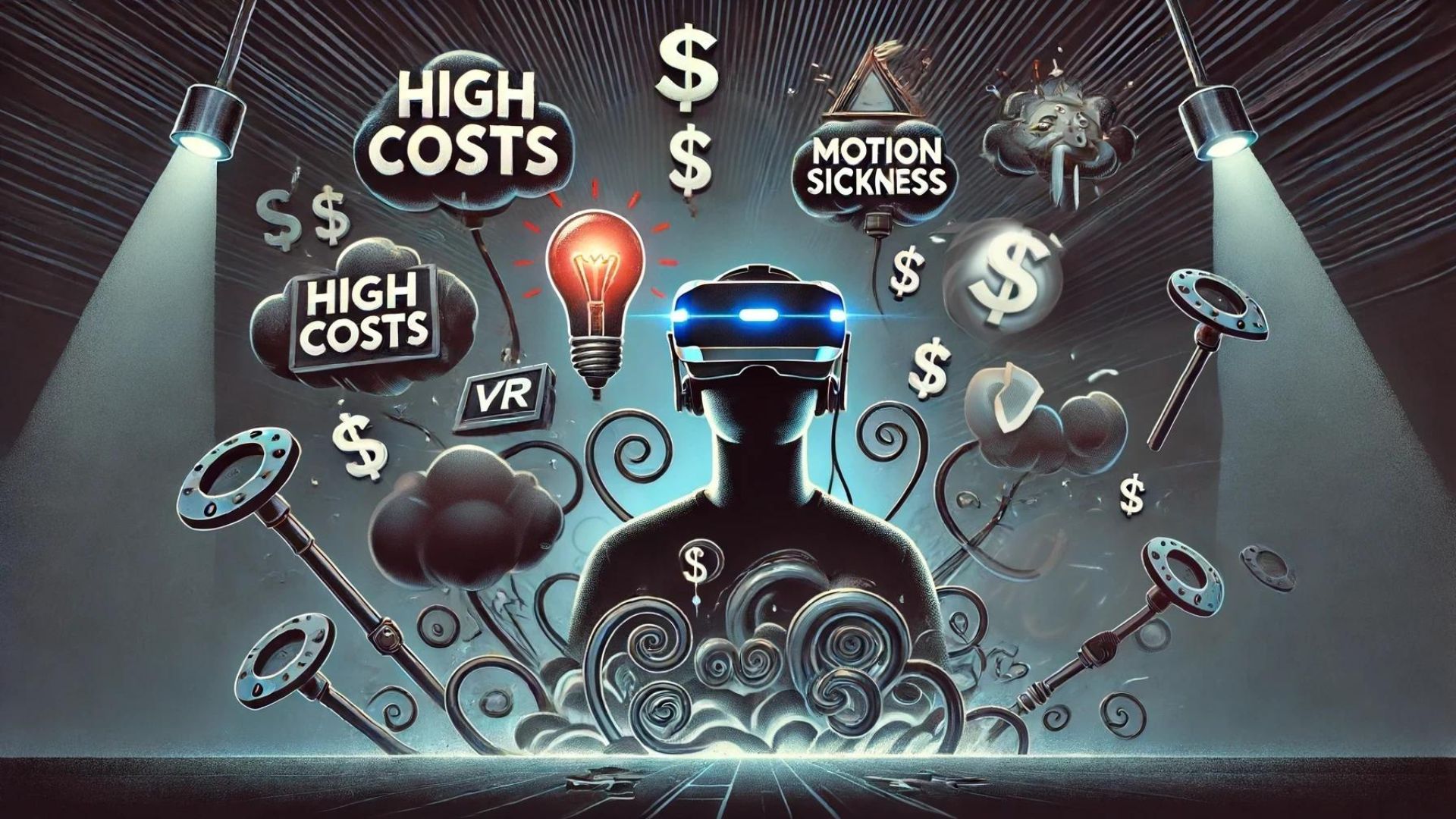
Despite its growth, VR gaming faces several challenges that need to be addressed to ensure its continued success.
1. Hardware Costs
High-quality VR headsets and the necessary gaming PCs or consoles can be expensive, limiting access for many potential players. While standalone headsets like the Oculus Quest 2 have lowered the entry barrier, cost remains a significant consideration.
2. Motion Sickness
Motion sickness is a common issue for VR users, caused by a disconnect between visual and physical movement. Developers are continually working on improving VR experiences to minimize motion sickness, but it remains a barrier for some players.
3. Content Development
Creating high-quality VR content is resource-intensive and requires specialized skills. The relatively small user base compared to traditional gaming can make it challenging for developers to justify the investment. However, as the VR market grows, more resources are likely to be dedicated to VR content creation.
4. Physical Space Requirements
Some VR experiences require significant physical space for movement, which can be a limitation for players with restricted room in their homes. Solutions like smaller play areas and alternative control schemes are being explored to make VR gaming more accessible.
The Future of VR Gaming
The future of VR gaming holds immense potential, with ongoing advancements in technology and increasing interest from both developers and players.
1. Advances in Hardware
Future VR headsets are expected to become lighter, more comfortable, and more affordable. Innovations in display technology, such as higher resolution and wider fields of view, will enhance visual fidelity and immersion. Improvements in haptic feedback and sensory input will further deepen the sense of presence in virtual environments.
2. The Integration of Augmented Reality (AR)
The convergence of VR and AR technologies, known as mixed reality (MR), will offer new gaming possibilities. Devices like Microsoft's HoloLens and the rumored Apple AR headset are pushing the boundaries of what's possible, blending virtual elements with the real world. This integration will create hybrid gaming experiences that leverage the best of both VR and AR.
3. Cloud Gaming and Streaming
Cloud gaming services like NVIDIA GeForce Now and Google Stadia are beginning to explore VR. Cloud-based VR gaming could eliminate the need for expensive hardware, allowing players to stream high-quality VR experiences to more affordable devices. This shift could significantly broaden the audience for VR gaming.
4. Enhanced Social and Multiplayer Experiences
The social aspect of VR gaming is poised to grow, with more sophisticated social platforms and multiplayer experiences. Future developments could include more realistic avatars, improved voice recognition, and deeper integration of social features. These advancements will make VR a more compelling platform for social interaction and collaborative gaming.
5. AI and Machine Learning
Artificial intelligence (AI) and machine learning will play a crucial role in the future of VR gaming. AI can create more realistic and adaptive virtual environments, enhancing the overall immersion. Machine learning algorithms can also personalize gaming experiences, adapting to individual player preferences and skill levels.
6. Expanding Genres and Game Types
As VR technology matures, we can expect to see an expansion in the types of games and genres available. While current VR games often focus on action and simulation, future titles could explore deeper narrative-driven experiences, complex strategy games, and even educational or therapeutic applications.
7. Broader Industry Adoption
Beyond gaming, VR is being adopted in various industries such as healthcare, education, and training. The gaming industry's innovation in VR is likely to influence and be influenced by these other sectors, leading to cross-industry advancements that benefit all.
8. The Role of Blockchain and NFTs
Blockchain technology and non-fungible tokens (NFTs) are beginning to intersect with VR gaming. These technologies could enable new forms of digital ownership, in-game economies, and player-driven content creation. For example, players might own unique virtual items or real estate within a game, with blockchain ensuring verifiable ownership and scarcity.
9. Accessibility Innovations
Future VR gaming will likely see increased focus on accessibility, ensuring that people with disabilities can enjoy immersive experiences. This might include advanced control schemes, customizable interfaces, and adaptive technologies that cater to a wider range of physical and cognitive abilities.
10. Cultural and Ethical Considerations
As VR gaming becomes more immersive and widespread, it will be essential to address cultural and ethical considerations. Issues such as privacy, mental health, and the impact of prolonged virtual immersion will need thoughtful solutions. Developers, policymakers, and communities will need to work together to create guidelines that ensure VR gaming is a positive force in society.
Virtual reality gaming has come a long way from its experimental origins to its current status as a burgeoning industry. The journey of VR gaming is marked by significant technological advancements, creative breakthroughs, and a growing community of passionate players and developers. While challenges remain, the future of VR gaming is bright, with endless possibilities for innovation and growth.
As VR technology continues to evolve, it will reshape not only how we play games but also how we learn, work, and interact with the world around us. The immersive power of VR has the potential to create experiences that are not only entertaining but also transformative, offering new ways to understand and engage with our reality. The next decade promises to be an exciting time for VR gaming, as we move closer to realizing
the full potential of this groundbreaking technology.
Author: Elisha Roodt
Sharing the best of Virtual Reality Durban with local VR experiences, events, and immersive tech insights from Durban and KwaZulu-Natal.