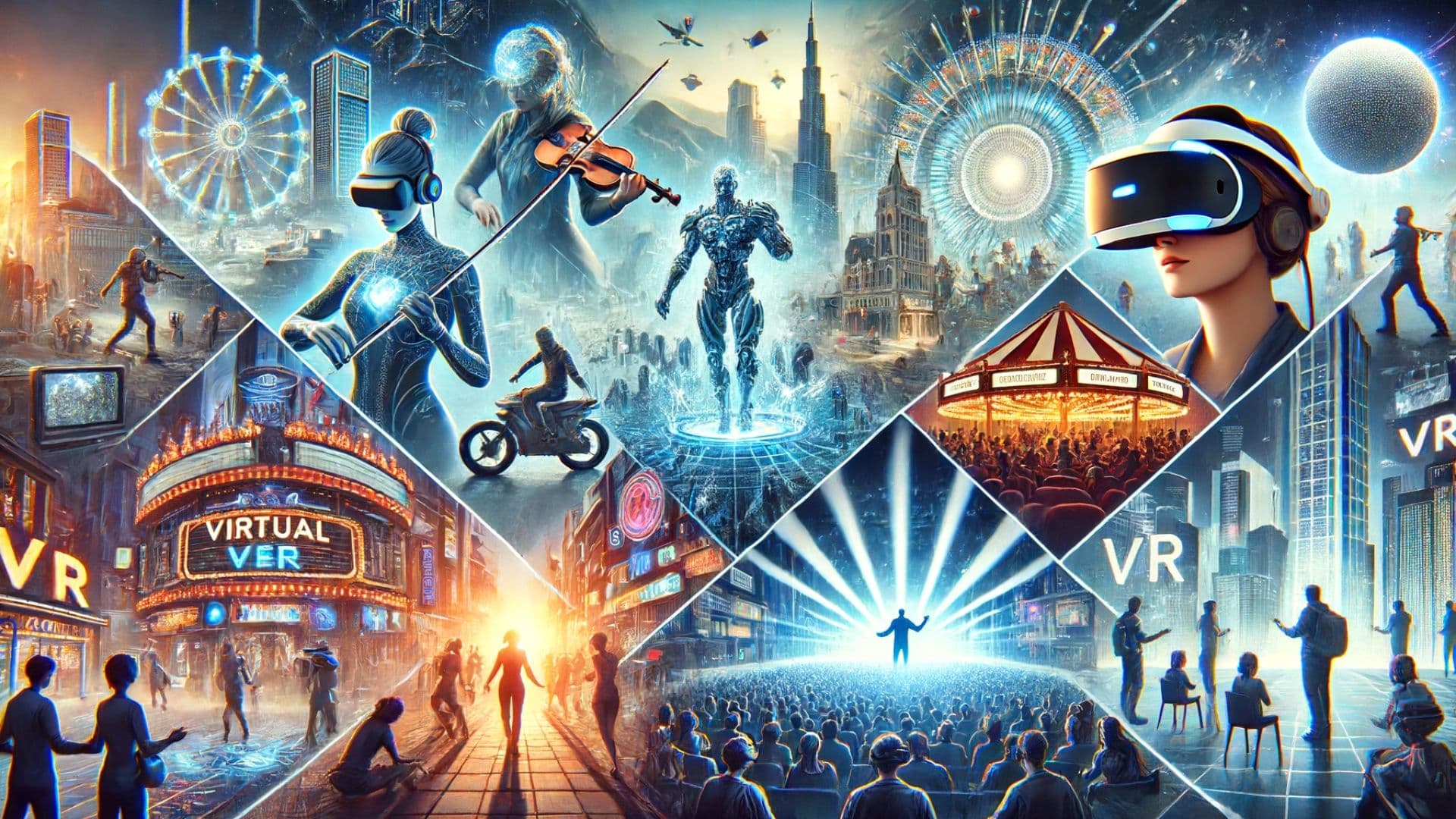
The Transformative Power of Virtual Reality in Entertainment and Gaming.
Exploring the Transformative Power of Virtual Reality in Entertainment Virtual Reality (VR) technology is revolutionizing the entertainment...
Exploring the Transformative Power of Virtual Reality in Entertainment
Virtual Reality (VR) technology is revolutionizing the entertainment industry, offering new dimensions of immersion that are redefining how audiences experience content. From films and gaming to concerts and art, VR is not just a technological innovation; it's a cultural phenomenon that is transforming the landscape of entertainment.
A New Realm for Cinematic Experiences
In the realm of film, VR is introducing audiences to a completely new way of experiencing stories. Traditional movies present a fixed view, chosen by the director. VR cinema, however, places viewers at the heart of the action, allowing them to look around and choose their focus. This immersive format not only changes how films are viewed but also how they are made. Filmmakers are now tasked with crafting narratives that can unfold from any angle, involving audiences in the storytelling process in ways previously unimaginable.
The potential for emotional engagement is immense. VR films can evoke a more visceral reaction than traditional films because viewers are "present" within the story. This presence can create intense experiences, particularly in genres such as horror, where the feeling of being within a terrifying environment can be overwhelming.
Revolutionizing Gaming and Interactive Media
Virtual Reality (VR) has fundamentally reshaped the gaming sector, taking it from the relatively simple constructs of 2D interfaces to highly immersive 3D worlds where the distinction between physical and digital space blurs. The leap to VR has not merely been about visual depth but about creating a comprehensive sensory experience that engages the player in unprecedented ways.
The Evolution of Gaming through VR
Historically, video games have engaged users through screens and controllers, limiting interaction to thumb movements and button presses. VR changes the game by involving the entire body in the gameplay, with technologies that track head, hand, and body movements, translating them into real-time responses within the virtual environment. This creates a compelling sense of presence—a psychological state where, although part of the mind knows it's in a game, another part feels it's inhabiting a different reality. Games that leverage this effectively can offer experiences ranging from exhilarating space battles to subtle psychological horror scenarios that play with the senses.
Multiplayer VR games add another layer of complexity and immersion. Players can interact with other real people within a virtual space, replicating real-life interactions more closely than any traditional online multiplayer games could. This could be as simple as virtual handshakes, trading items directly from hand to hand, or collaborating to solve puzzles in ways that require genuine teamwork and communication.
VR in Interactive Education and Training
Beyond entertainment, VR's capabilities extend to educational and training applications, providing immersive, experiential learning. For instance, history classes can use VR to transport students back in time, allowing them to witness historical events first-hand, from the signing of the Declaration of Independence to walking the streets of ancient Rome. This kind of immersive learning can spark curiosity and engagement, making learning more compelling and memorable.
In science education, VR can take students inside a human cell or let them travel through the human circulatory system, observing biological processes in real-time. Such experiences can transform abstract concepts into tangible realities, enhancing comprehension and retention of complex subjects.
Moreover, VR simulations are increasingly used in professional training contexts. Medical students can practice surgeries in virtual environments that mimic the variability and complexity of real-life operations without the risks associated with traditional training methods. Similarly, pilots use VR for flight simulation, and mechanics for vehicle repairs, providing practical, hands-on experience that would be costly or dangerous to replicate in reality.
Transforming Live Events and Performances
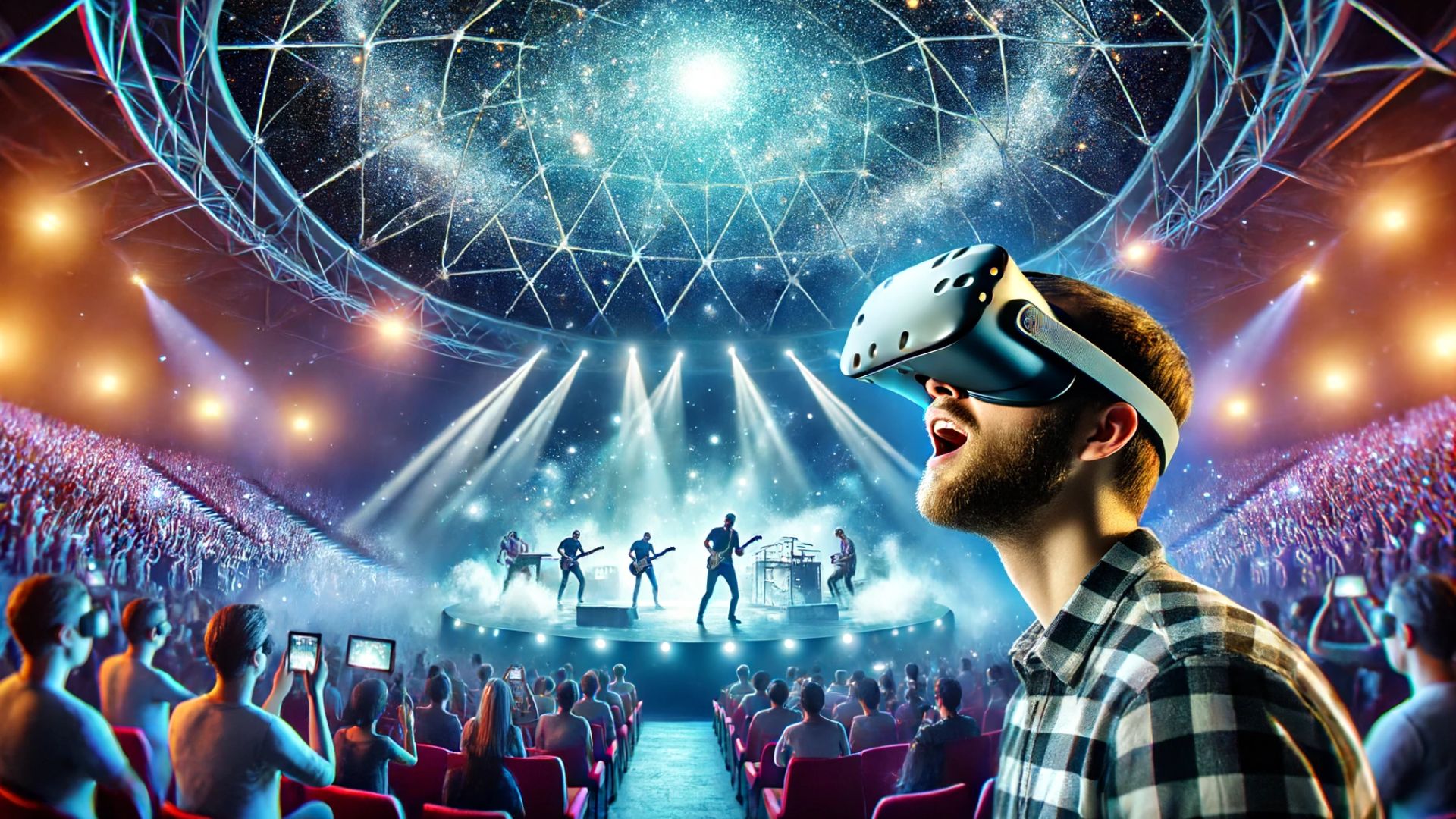
Live events have also embraced VR to enhance audience engagement and reach. Sports broadcasts in VR can offer views from various positions around the stadium, or even from the perspective of the player. Concerts in VR allow fans to enjoy live performances from the comfort of their homes, with the best seats in the house—onstage, beside their favorite musicians.
Theater productions and dance performances are experimenting with VR to create new types of performances that could only exist in virtual spaces. These experiences can be both live-streamed to global audiences and archived for future viewing, breaking down geographical and temporal barriers to cultural events.
The Artistic Frontier: New Tools for Creators
Artists are finding in VR a powerful tool for expression that extends beyond traditional canvases or digital screens. VR art is not limited by physical materials or the laws of physics, allowing artists to create vast, immersive worlds that viewers can step into and explore. This not only transforms the viewer's experience of art but also expands the creator's ability to imagine and invent.
Overcoming Challenges and Seizing Opportunities
Despite its potential, VR faces significant challenges. The high cost of VR hardware and the physical space required for truly immersive experiences can limit accessibility. Moreover, the development of VR content is resource-intensive, requiring new skills and techniques that are still in the early stages of being widely understood and adopted.
However, as technology advances and becomes more affordable, these barriers are likely to diminish. The ongoing evolution of VR promises to continue expanding the horizons of what is possible in entertainment, making it an exciting field for innovation and creativity.
Virtual Reality is more than just a new way to play games or watch movies; it's a transformative technology that is redefining the boundaries of entertainment. As VR becomes more integrated into our daily lives, it offers profound opportunities to engage with content in deeply personal and meaningful ways, marking a new era in how we experience and interact with the arts and beyond.
Author: Elisha Roodt
Sharing the best of Virtual Reality Durban with local VR experiences, events, and immersive tech insights from Durban and KwaZulu-Natal.