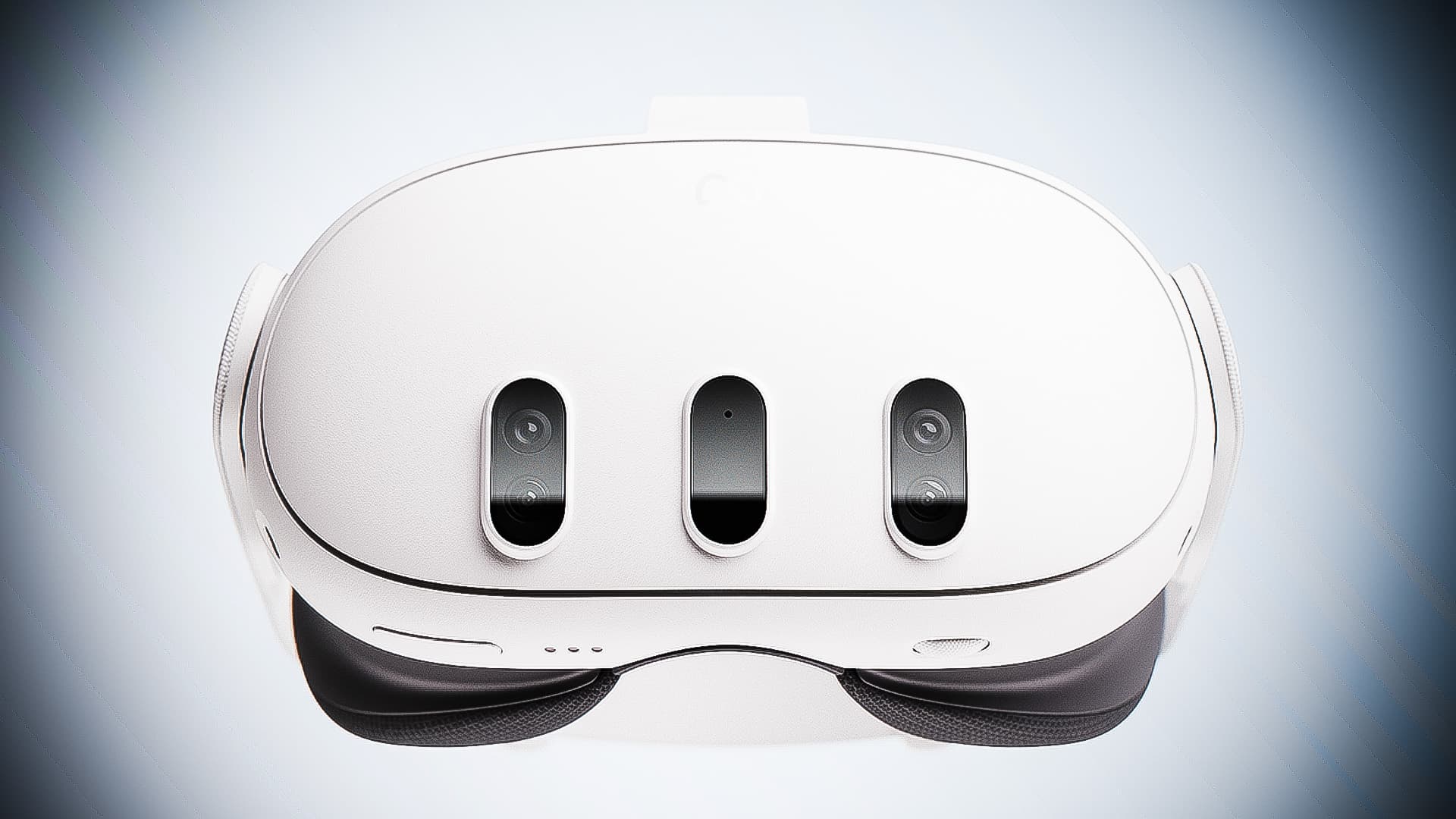
Understanding Meta's Camera Access Restrictions
In the rapidly evolving world of virtual reality, where the line between the physical and digital realms increasingly blurs, cameras embedded in...
In the rapidly evolving world of virtual reality, where the line between the physical and digital realms increasingly blurs, cameras embedded in VR headsets serve as vital conduits. These devices are not merely tools for capturing images; they are the gateways to immersive experiences that redefine how we interact with the world. However, with great technological advancements come significant responsibilities, particularly concerning privacy and security. Meta, a leader in the VR industry, has taken a stringent approach by imposing restrictions on camera access within its VR headsets. These limitations have sparked a spectrum of reactions, from applause for protecting user privacy to criticism for stifling innovation. To fully grasp the rationale behind Meta's decision, it is essential to explore the multifaceted role of cameras in VR headsets, Meta’s strategic vision, and the broader implications for privacy, security, developers, and users.
The Role of Cameras in VR Headsets
Capturing the Real World: The Importance of Cameras in VR
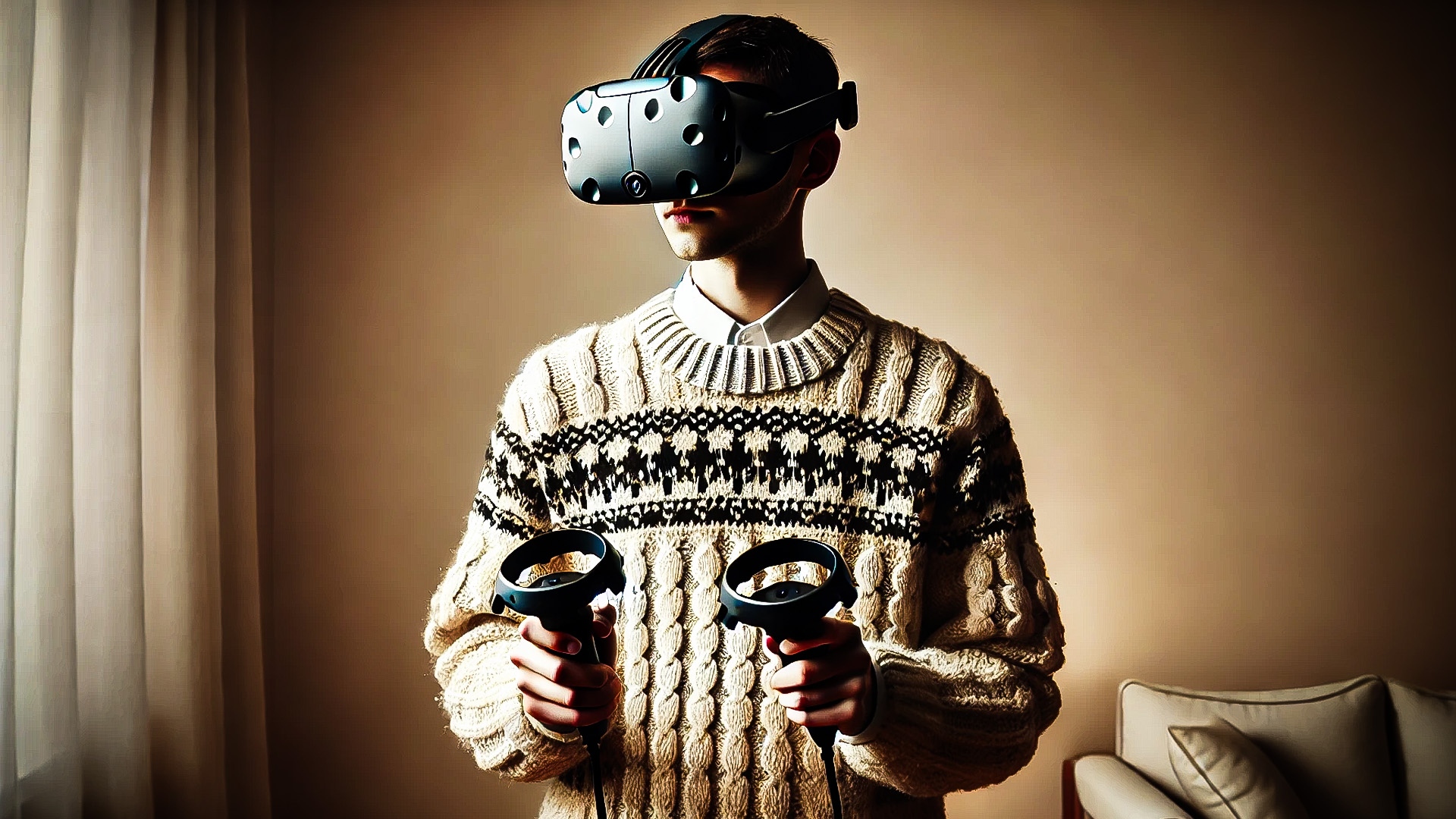
Cameras in VR headsets serve as the eyes of the device, capturing the real world in real-time to overlay digital elements seamlessly. This ability to blend the physical and virtual worlds is fundamental to creating truly immersive experiences. Cameras enable positional tracking, allowing users to move naturally within the virtual space while maintaining a connection to their physical environment. This duality is what makes VR not just a visual experience but a spatial one, where the real world can be interacted with and altered through digital means. The importance of cameras in VR extends beyond mere image capture; they are the linchpin that ensures users are grounded in reality while exploring virtual dimensions.
Enhancing Immersion: How Cameras Contribute to a VR Experience
Immersion is the hallmark of virtual reality, and cameras play a crucial role in enhancing this aspect. By accurately mapping the user's environment and movements, cameras allow for precise interaction with virtual objects. Whether it’s picking up a digital tool or navigating through a complex virtual landscape, the camera’s ability to track every nuance of movement is what makes these interactions feel natural and intuitive. Moreover, cameras enable augmented reality (AR) elements within VR, further deepening the immersive experience by integrating real-world visuals with virtual overlays. This synergy of real and virtual is what elevates the VR experience from a simple digital interaction to a fully immersive reality.
Safety and Awareness: Cameras as a Tool for User Protection
In the immersive world of VR, it’s easy to lose track of the physical surroundings. This is where cameras become essential for safety and spatial awareness. They act as a protective barrier, ensuring that users don’t inadvertently bump into real-world objects or endanger themselves while engrossed in a virtual environment. Features like "Guardian systems," which create a virtual boundary based on camera input, are crucial for alerting users when they are about to step outside their safe play area. Thus, cameras are not only tools for enhancing the VR experience but also safeguards that ensure users can explore the virtual world without compromising their physical safety.
Meta’s Vision: A Closed Ecosystem
Prioritizing User Privacy: Why Meta Limits Camera Access
Meta’s decision to restrict camera access on its VR headsets stems from a profound commitment to user privacy. In an era where data is as valuable as currency, controlling who can access the camera and how that data is used is paramount. Cameras in VR headsets have the potential to capture highly sensitive information, including the user’s environment, personal interactions, and even biometric data. By limiting camera access, Meta aims to protect users from potential invasions of privacy, ensuring that their personal space remains secure and their data remains private.
Ensuring Platform Integrity: Controlling Third-Party App Access
Another critical reason behind Meta's camera access restrictions is the need to maintain platform integrity. Allowing unrestricted camera access to third-party apps could open the door to malicious activities, such as unauthorized data collection or exploitation of the VR system’s vulnerabilities. By controlling which apps can access the camera, Meta ensures that only trusted applications can interact with this sensitive hardware, thereby preserving the stability and security of the VR platform. This closed ecosystem approach not only protects users but also maintains the integrity of the Meta brand as a safe and reliable provider of VR technology.
Protecting Intellectual Property: Meta’s Strategic Approach
Beyond privacy and security, Meta’s restrictions on camera access also serve as a strategic measure to protect its intellectual property. The technology and algorithms that drive camera functionality in VR are proprietary assets that Meta has invested heavily in developing. By restricting access, Meta safeguards its innovations from being replicated or reverse-engineered by competitors. This approach allows Meta to maintain a competitive edge in the fiercely contested VR market, ensuring that its technology remains unique and valuable.
Privacy Concerns: Balancing Innovation with User Safety
The Data Dilemma: How Camera Access Can Impact User Privacy
The pervasive nature of cameras in VR headsets brings to light the critical issue of data privacy. These cameras can capture an enormous amount of personal data, from the layout of a user’s home to subtle expressions and movements. If mishandled, this data could be exploited in ways that infringe on personal privacy, such as targeted advertising, unauthorized surveillance, or even identity theft. The dilemma lies in balancing the innovative potential of camera-enabled VR with the need to protect user privacy. Meta’s restrictions are a clear attempt to navigate this complex landscape, prioritizing the safety and security of its users while still offering a cutting-edge VR experience.
User Trust: The Importance of Transparent Data Policies
Building and maintaining user trust is essential for any technology company, and transparency in data policies is a cornerstone of this trust. Meta’s restrictions on camera access are not just about controlling hardware but also about demonstrating a commitment to safeguarding user data. By clearly communicating how and why camera data is used, Meta can reassure users that their privacy is being respected. Transparent data policies help build confidence in the platform, ensuring that users feel secure when engaging with Meta’s VR ecosystem.
Comparing Privacy Approaches: Meta vs. Other VR Platforms
While Meta’s restrictive approach to camera access is one strategy, it’s worth comparing how other VR platforms handle similar issues. Some platforms may opt for a more open approach, allowing greater freedom for developers and users, but at the potential cost of privacy and security. Others might implement even stricter controls. By examining these different approaches, we can better understand the trade-offs involved and why Meta has chosen to prioritize privacy and security over unrestricted access. This comparison also highlights Meta’s position in the broader VR industry as a company that places a high value on user trust and data protection.
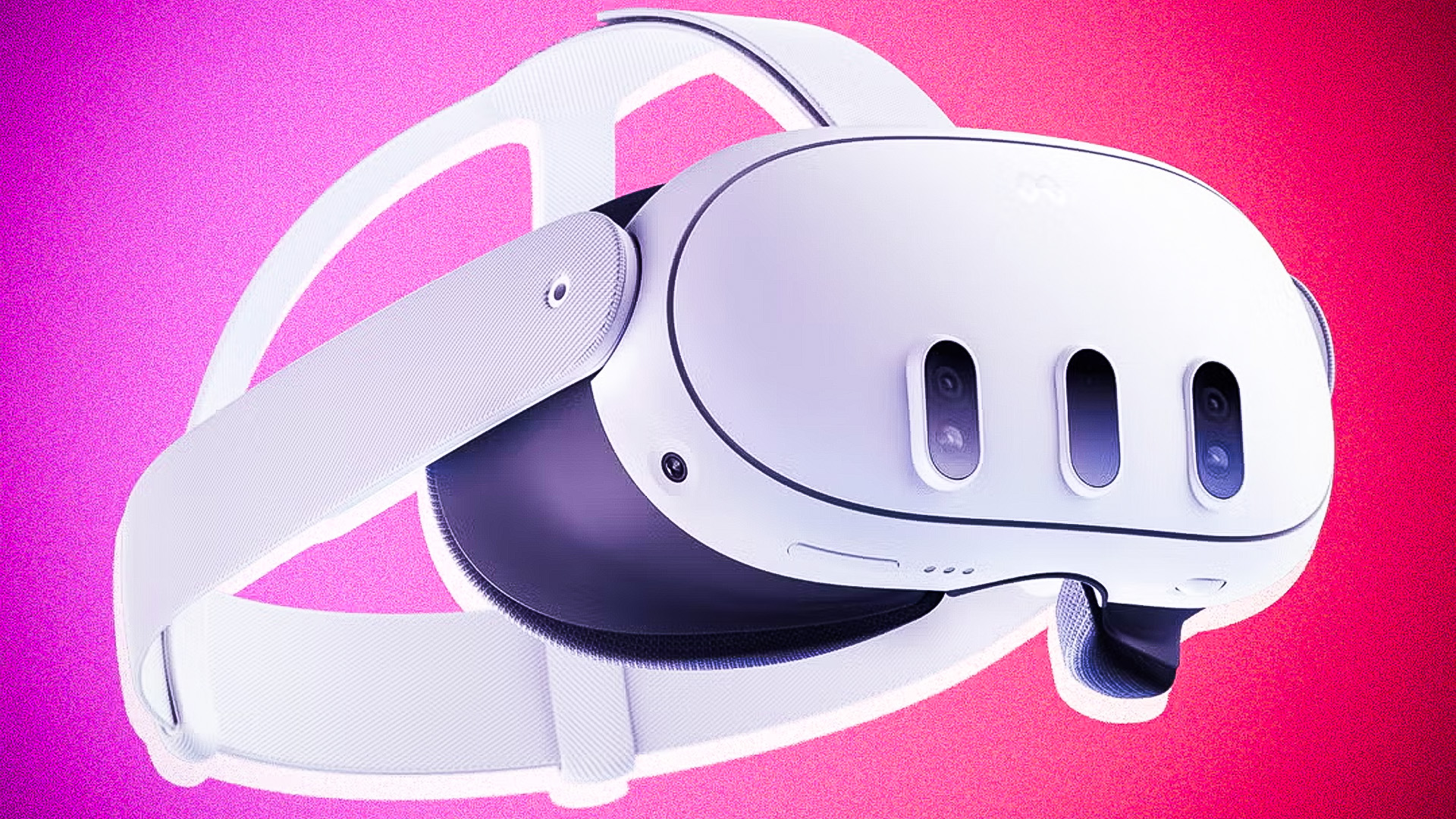
Security Implications: Preventing Unauthorized Access
The Risk of Hacking: Why Restricted Access Matters
In the digital age, where hacking and cyber-attacks are prevalent, the security of connected devices is of paramount importance. VR headsets, with their cameras and sensors, are no exception. If a hacker were to gain control of a VR headset’s camera, the implications could be severe, ranging from spying on users to capturing sensitive personal data. Meta’s restrictions on camera access are a direct response to these potential threats. By limiting who can access the camera, Meta reduces the risk of unauthorized access and the subsequent fallout that could occur if a breach were to happen.
Unauthorized Surveillance: The Dangers of Unfettered Camera Use
Unrestricted camera access in VR headsets could lead to unauthorized surveillance, where users are unknowingly monitored or recorded. This scenario is not only a gross invasion of privacy but also a violation of basic human rights. Meta’s camera restrictions are designed to prevent such occurrences, ensuring that users have control over their own digital and physical spaces. By keeping tight control over who can access the camera, Meta protects users from becoming unwitting participants in surveillance activities, thereby upholding the integrity of the VR experience.
Mitigating Risks: How Meta Safeguards Against Security Threats
To further mitigate the risks associated with camera access, Meta has implemented a series of security measures that go beyond mere restrictions. These include robust encryption protocols, regular security updates, and stringent app review processes to ensure that only trusted applications can operate within the VR ecosystem. These safeguards are part of a broader strategy to create a secure and user-friendly environment where users can enjoy VR without fear of unauthorized access or data breaches. Meta’s commitment to security is evident in its proactive approach to identifying and addressing potential threats before they can impact users.
Impact on Developers and Third-Party Applications
The Developer’s Perspective: Challenges and Opportunities
For developers, Meta’s restrictions on camera access present both challenges and opportunities. On the one hand, these limitations can constrain creativity, making it difficult to develop innovative applications that rely heavily on camera functionality. On the other hand, the closed ecosystem can also create a more stable and predictable environment for development, where the focus shifts to optimizing within the given parameters. Developers who can navigate these restrictions effectively may find new ways to innovate, creating applications that leverage the strengths of the platform while adhering to its security and privacy guidelines.
Navigating Restrictions: How Third-Party Apps Adapt to Meta’s Policies
Third-party applications that wish to thrive on Meta’s platform must adapt to the company’s stringent policies. This adaptation often involves rethinking how camera functionality is integrated into apps, finding creative solutions to work within the restrictions, or pivoting to other features that do not require camera access. While this may seem limiting, it also encourages developers to innovate in new ways, focusing on aspects of VR that enhance user experience without compromising security. The ability to adapt to these restrictions is a testament to the resilience and creativity of the developer community.
The Future of VR Development: Predictions and Possibilities
Looking ahead, the future of VR development within Meta’s ecosystem will likely be shaped by ongoing advancements in technology and evolving user expectations. Developers will continue to push the boundaries of what is possible, finding ways to innovate within the confines of Meta’s policies. As new tools and frameworks emerge, we may see a shift in how camera functionality is utilized, with an emphasis on enhancing privacy and security while still
delivering compelling experiences. The possibilities are vast, and the next wave of VR development could bring about groundbreaking applications that balance innovation with user protection.
User Experience: Impact on Developers and Third-Party Applications
Limited Functionality: What Users Miss Out On
For everyday users, Meta’s camera access restrictions can result in limited functionality, particularly for those who seek a more open and customizable VR experience. Certain features, such as advanced AR capabilities or in-depth environmental mapping, may be restricted or unavailable due to the limitations on camera access. This can be frustrating for users who expect a more expansive feature set, especially those who are accustomed to the freedom offered by other platforms. However, it’s important to recognize that these limitations are a trade-off for enhanced privacy and security, which are critical components of a safe VR experience.
The Upside: Benefits of Meta’s Controlled Environment
Despite the limitations, there are significant benefits to Meta’s controlled environment, particularly in terms of user safety and platform stability. By restricting camera access, Meta can offer a more secure and consistent experience, where users are less likely to encounter malicious apps or privacy breaches. This controlled environment also allows Meta to deliver a more polished and reliable VR experience, with fewer bugs and crashes caused by rogue applications. For many users, the peace of mind that comes with knowing their data is protected and their device is secure outweighs the potential drawbacks of limited functionality.
User Feedback: How the Community Responds to Camera Restrictions
The response from the user community to Meta’s camera restrictions has been mixed, reflecting the diverse needs and expectations of VR users. Some users appreciate the emphasis on privacy and security, valuing the protection of their personal data over the ability to customize their experience. Others, however, feel constrained by the limitations, expressing frustration at the lack of flexibility and the inability to fully utilize the camera’s capabilities. Meta continues to engage with its user base, taking feedback into account as it refines its policies and seeks to strike a balance between security and usability.
Future Outlook: Will Meta Relax Its Camera Policies?
Evolving User Expectations: Pressure for Change
As VR technology continues to evolve, so too do the expectations of its users. There is growing pressure on Meta to relax its camera policies, particularly as competitors offer more open and customizable experiences. Users are increasingly looking for platforms that not only protect their privacy but also allow for greater freedom and creativity. This shift in expectations could lead Meta to reconsider its approach, potentially loosening restrictions to meet the demands of a more discerning user base. However, any changes will need to be carefully balanced to ensure that the core values of privacy and security are not compromised.
Technological Advancements: Could They Influence Policy?
Advancements in technology could also play a significant role in shaping Meta’s camera policies in the future. As new security measures and privacy-enhancing technologies are developed, Meta may find ways to offer greater camera functionality without sacrificing user protection. For example, the implementation of advanced encryption techniques or AI-driven privacy filters could allow for more flexible camera access while still safeguarding sensitive data. These technological breakthroughs could be the key to unlocking a new era of VR experiences, where innovation and security go hand in hand.
What to Watch For: Potential Shifts in Meta’s Approach
As the VR landscape continues to change, it’s important to keep an eye on how Meta’s approach to camera access evolves. Potential shifts in policy could include gradual relaxation of restrictions, introduction of new privacy features that enable more controlled camera access, or even a complete overhaul of the current system. These changes will likely be influenced by a combination of user feedback, competitive pressures, and technological advancements. For users and developers alike, staying informed about these developments will be crucial in navigating the future of VR.
Navigating the Complex Landscape of VR Camera Access Restrictions
The issue of camera access in VR headsets is a complex and multifaceted one, with significant implications for privacy, security, and innovation. Meta’s decision to restrict camera access reflects a careful consideration of these factors, prioritizing user protection in a rapidly changing digital environment. While these restrictions may pose challenges for developers and limit certain functionalities for users, they also provide a safer and more controlled VR experience. As technology continues to evolve and user expectations shift, it will be interesting to see how Meta adapts its policies to balance these competing demands. In the meantime, understanding the reasons behind these restrictions and their impact on the broader VR ecosystem is essential for anyone looking to navigate the future of virtual reality.
Future Outlook Will Meta Relax Its Camera Policies
Author: Elisha Roodt
Sharing the best of Virtual Reality Durban with local VR experiences, events, and immersive tech insights from Durban and KwaZulu-Natal.