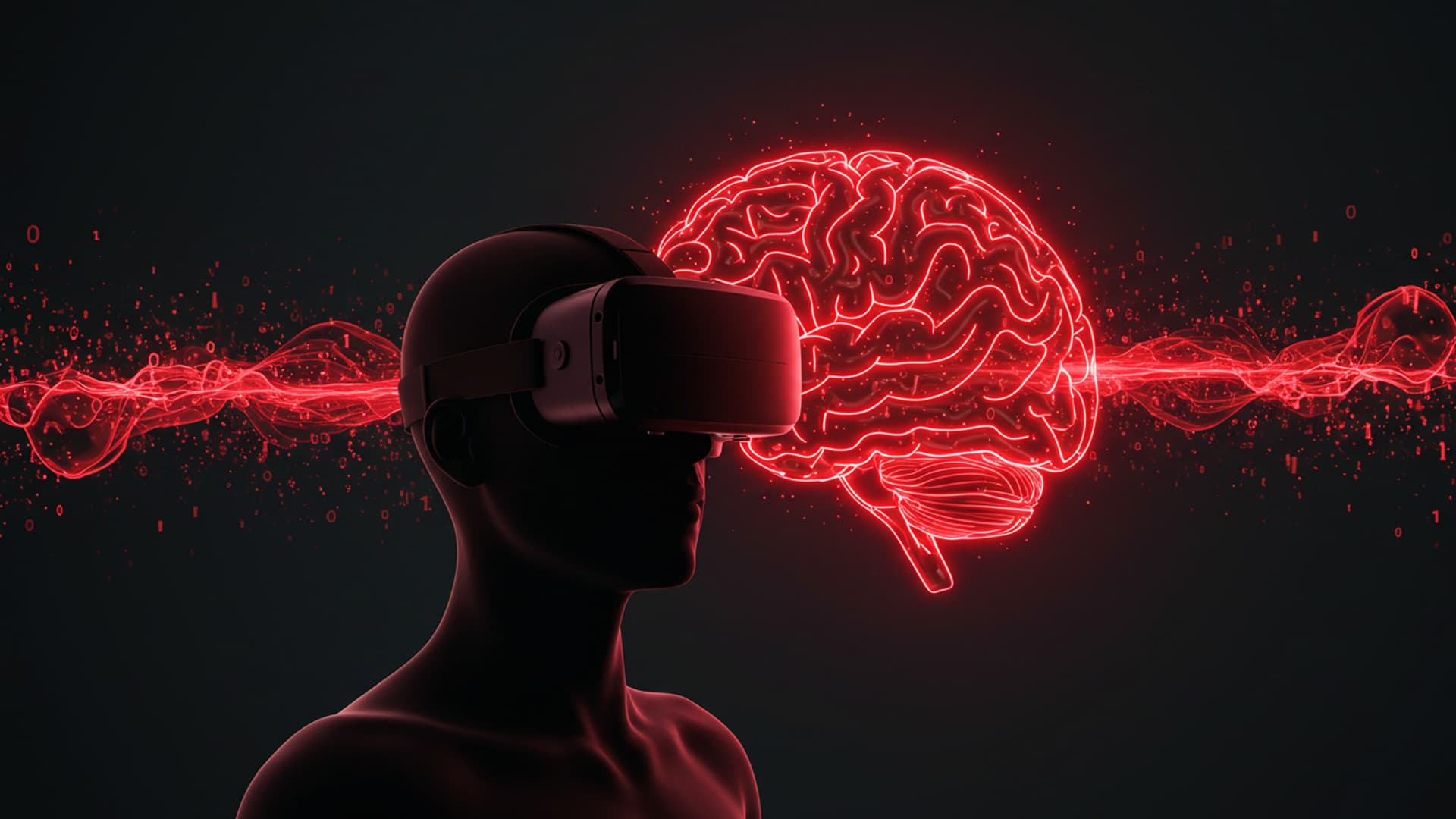
Virtual Reality and AI
Integrating artificial intelligence (AI) into virtual reality (VR) enhances immersion through real-time adaptation, dynamic content generation, and predictive behavioral analytics, tailoring experiences to individual users.
Exploring the Transformative Power of Artificial Intelligence in Immersive Virtual Realities
In today’s rapidly evolving digital landscape, the fusion of virtual reality (VR) and artificial intelligence (AI) is crafting experiences that blur the lines between the physical and the imagined. This intricate dance of code and creativity is not merely a technological novelty; it is reshaping how we interact with digital realms. As algorithms breathe life into simulated environments, every keystroke and sensor input fuels adaptive, ever-evolving narratives. Within these expansive metaverses, immersive experiences are tailored in real time, ensuring that each user's journey feels both uniquely personal and astonishingly lifelike.
Synergistic Innovations: Where Virtual Reality Meets Artificial Intelligence
Real-Time Adaptation and Responsiveness
The integration of AI into VR systems has unlocked unprecedented levels of real-time adaptation and responsiveness. Imagine stepping into a virtual world that senses every nuance of your movement and emotional state, adjusting its narrative flow instantaneously. Behind the scenes, sophisticated algorithms analyze user data and contextual inputs, seamlessly tailoring the experience to your unique interactions. This dynamic environment responds to each gesture with uncanny precision, creating a feedback loop that mimics natural conversation. The system’s ability to predict and adapt to behavioral cues not only enhances immersion but also elevates the sense of presence within a world that feels as organic as reality itself.
Equally impressive is the technology’s capacity to modify environmental variables on the fly. When users engage with the metaverse, AI systems analyze patterns in real time, adapting weather conditions, ambient sounds, and interactive elements to suit the prevailing mood and user behavior. This responsiveness creates a delicate balance between pre-scripted scenarios and organic, user-driven evolution. The interaction becomes a two-way dialogue, where technology meets intuition. As a result, virtual experiences can shift seamlessly from tranquil to thrilling, ensuring that every moment is as unpredictable and exhilarating as life itself, deepening the overall sensory immersion.
Dynamic Content Generation
AI’s role in dynamic content generation is revolutionizing how virtual worlds are created and experienced. Instead of relying solely on static, pre-designed environments, AI-driven systems craft scenarios and landscapes in real time, responding to each user's actions. This dynamic creation is akin to having a digital artist who adjusts the canvas with every brushstroke of user interaction. By leveraging machine learning and procedural algorithms, content is generated on demand, ensuring that each journey through the metaverse is as distinct as a fingerprint. Users may find themselves exploring terrains that evolve in complexity, providing endless possibilities for adventure and discovery.
The procedural generation techniques underpinned by AI allow for expansive, never-repeating worlds. The system draws from an extensive library of assets, recombining elements based on real-time data and user decisions. The resulting environments are rich in detail and variation, challenging traditional design constraints. This fluid narrative structure provides both designers and users with a collaborative canvas. As a metaphorical potter shapes clay, AI molds virtual space, ensuring that every interaction contributes to a story uniquely authored by the participant’s digital footprint. The outcome is a continuously evolving landscape that remains as engaging as it is unpredictable.
Predictive Behavioral Analytics
At the core of immersive VR experiences lies the use of predictive behavioral analytics, a sophisticated method where AI forecasts user actions and preferences. By analyzing historical interaction patterns and subtle biometric cues, systems are empowered to anticipate user decisions before they occur. This predictive capability transforms the metaverse into a realm that is both interactive and intuitively aware. Users often find that the narrative arc or environmental challenges align almost telepathically with their expectations, creating a seamless interplay between intention and outcome. This anticipatory design elevates the immersive experience, blurring the lines between human instinct and machine prediction.
In parallel, predictive analytics enhances the realism of interactions within VR ecosystems. The technology simulates natural social dynamics by forecasting emotional responses and adjusting character behavior accordingly. Non-player characters (NPCs) can initiate dialogue, provide hints, or alter their demeanor based on predicted user needs, lending authenticity to virtual encounters. The subtle interplay of these predictive models creates a digital environment that feels palpably alive and responsive. This deep integration of analytics ensures that each user journey is not just a reactive experience but a proactive exploration where every moment unfolds with the precision of a well-conducted symphony.
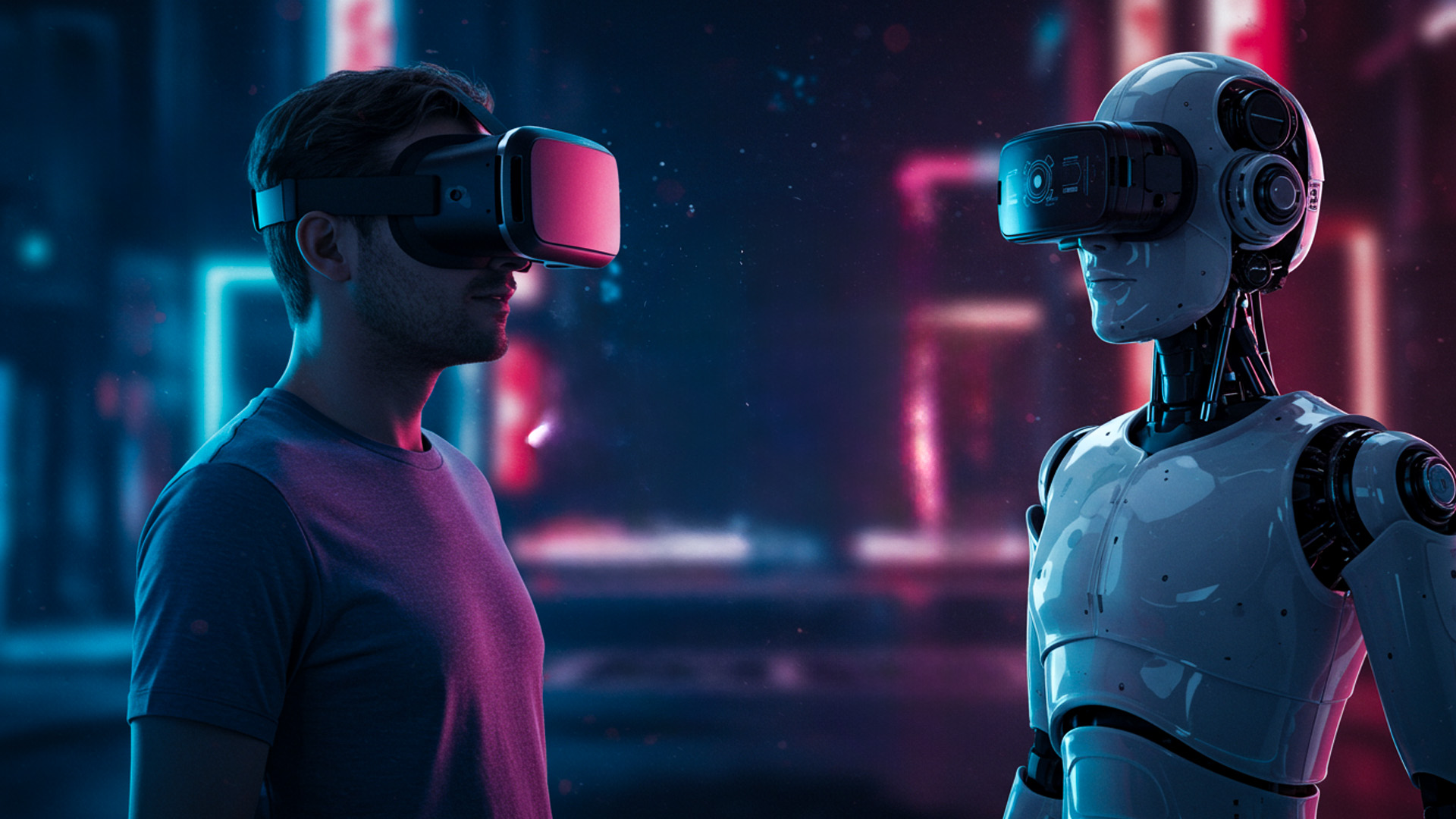
Designing Immersive Worlds: The AI-Driven Craftsmanship
Procedural World-Building
The art of procedural world-building, fueled by AI, redefines the boundaries of creative exploration within virtual environments. Developers harness algorithms that generate intricate landscapes and complex structures, simulating organic growth patterns similar to nature’s unpredictable artistry. This process is akin to witnessing a digital ecosystem sprout from a seed of code, evolving into elaborate terrains and sprawling cities in a matter of seconds. By integrating data-driven techniques with creative design principles, AI ensures that every corner of the metaverse is unique, unpredictable, and rich with hidden narratives waiting to be uncovered by intrepid explorers.
In practice, procedural generation transforms the virtual canvas into a living, breathing entity. Algorithms merge randomization with meticulously crafted templates to produce environments that range from serene natural vistas to hyper-detailed urban sprawls. This method not only conserves creative resources but also fosters an element of surprise and discovery for users. The evolving worlds mirror the dynamic nature of real life, where no two experiences are identical. As visitors traverse these landscapes, they are invited to explore a realm where every step leads to new and unforeseen adventures, ensuring that the journey remains fresh and continuously engaging.
Intelligent NPCs and Ecosystems
In the realm of immersive virtual reality, intelligent non-player characters (NPCs) serve as the vital connective tissue between user and world. Powered by advanced AI, these characters are not mere scripted entities but dynamic participants that evolve alongside user interactions. They communicate, react, and even learn from the environment, mimicking lifelike behaviors with remarkable accuracy. Such NPCs often become trusted companions, guides, or even challengers, enriching the narrative tapestry of the metaverse. Their ability to engage in meaningful dialogue and adaptive decision-making fosters a sense of authenticity that transforms virtual interactions into genuine, memorable encounters.
The ecosystems in which these NPCs reside are similarly enhanced by AI-driven design. Virtual habitats are intricately programmed to sustain interactions that mirror real-world ecological systems. Each digital creature or plant responds to environmental stimuli, weather changes, and user presence, crafting a believable ecosystem that evolves organically. These systems create a feedback loop where every interaction subtly influences the balance of the virtual world. As a result, users find themselves immersed in an environment that not only feels reactive but also reflective of natural processes. This intricate interdependence between intelligent characters and their surroundings deepens the immersive quality, offering users a rich, multi-layered experience that is as complex as it is captivating.
Augmented Realism and Sensory Integration
Augmented realism in virtual environments is being elevated to unprecedented levels through the fusion of AI and sensory integration. By harnessing advanced algorithms and sensor data, virtual reality systems now simulate tactile, auditory, and even olfactory experiences that mimic the natural world with startling accuracy. The technology translates environmental cues into sensory outputs, creating a multisensory experience that heightens the user's sense of presence. This immersive depth is reminiscent of stepping into a meticulously crafted dream where every sense is engaged. The interplay between AI analytics and sensory hardware ensures that the virtual experience remains richly layered and startlingly real.
This sensory integration also facilitates the synchronization of physical movements with digital reactions, forging a robust connection between the user and the environment. The system is capable of interpreting minute gestures and biometric signals, then translating them into nuanced modifications within the virtual space. For instance, a subtle change in facial expression or a slight shift in posture might trigger a corresponding adjustment in ambient lighting or soundscape. This meticulous alignment of virtual and physical worlds results in a heightened sense of immersion that can transport users into entirely new realms of perception. In this landscape, augmented realism serves not only to entertain but also to create profound, transformative experiences that bridge the gap between technology and human sensation.

User-Centric Experiences: Crafting Personalized Journeys
Adaptive Learning Environments
AI-enhanced adaptive learning environments are revolutionizing how users engage with virtual worlds, tailoring experiences to individual preferences and learning curves. In these systems, algorithms continuously analyze user behavior, learning styles, and interaction patterns to craft personalized pathways through complex digital landscapes. This method mirrors the tailored approach of a seasoned mentor who intuitively adjusts their guidance based on each student’s progress. The result is a dynamic learning curve that evolves with the user, providing challenges and rewards that align with their abilities. In these environments, every interaction is a step toward mastery, creating a virtual space that is both educational and deeply immersive.
Beyond mere customization, these adaptive systems foster a sense of personal ownership over the digital journey. Users feel as though the metaverse is sculpted around their unique needs, blending elements of gameplay, storytelling, and interactive learning. The AI continuously refines the experience, ensuring that tasks and challenges are neither overwhelming nor trivial. This delicate balance encourages exploration and sustained engagement, as users navigate worlds that intelligently adjust to their evolving competencies. In essence, adaptive learning environments embody the convergence of technology and pedagogy, crafting immersive experiences that resonate on both an intellectual and emotional level.
Emotion Recognition and Response
Emotion recognition technology is at the forefront of creating deeply immersive VR experiences by enabling systems to gauge and respond to users’ emotional states in real time. Utilizing advanced facial recognition, voice analysis, and physiological data, AI interprets subtle shifts in mood and sentiment. This information is then leveraged to adapt narratives, ambient settings, and interactive elements, ensuring that the virtual environment mirrors the user’s inner state. In a scenario reminiscent of a live performance where the stage adapts to the audience’s energy, these systems create an empathetic dialogue between human and machine. The result is a more responsive, emotionally attuned experience that feels intimately personal and remarkably real.
Simultaneously, this technology elevates the narrative potential of virtual worlds by integrating emotion as a core interactive component. As users experience moments of triumph, tension, or melancholy, the system reacts with tailored adjustments that deepen the story’s impact. A sudden surge in ambient lighting or a shift in background music can underscore a pivotal emotional moment, making each experience uniquely resonant. This interplay between emotional input and system output not only enhances realism but also invites users to explore the metaverse on a profoundly personal level. By transforming emotional cues into interactive feedback, the technology fosters an environment where every experience is as rich and multifaceted as the human psyche.
Behavioral Feedback Loops
Behavioral feedback loops are a cornerstone of personalized VR experiences, seamlessly merging user interactions with responsive system adjustments. These loops operate by continuously monitoring actions, decisions, and engagement levels, then feeding this information back into the AI engine to refine future responses. Imagine a digital ecosystem that evolves with each step you take—a living, breathing system that adapts and learns in tandem with your journey. Such mechanisms ensure that every decision carries weight, influencing subsequent narrative developments and environmental modifications. The feedback loop is a dialogue between user and system, where each interaction enriches the next, forging an unbreakable link between behavior and experience that redefines immersion.
These feedback loops allow for a progressive deepening of the user’s journey. The AI meticulously records behavioral trends, then subtly adjusts challenges, rewards, and narrative arcs based on individual preferences. This iterative process mirrors the natural learning cycle, where each experience informs the next in a continuous, adaptive process. The system’s ability to interpret and respond to behavioral nuances creates an environment that evolves with the user, ensuring that the experience remains both engaging and personalized. In this way, the metaverse becomes a reflective space—one that not only responds to immediate actions but also anticipates future needs, creating a harmonious interplay between human decision-making and technological innovation.

Future Horizons: The Convergence of VR, AI, and the Metaverse
Ethical Dimensions and Privacy Considerations
The convergence of VR and AI in the metaverse presents profound ethical dimensions and privacy considerations that demand careful deliberation. As virtual environments become increasingly sophisticated, they collect vast amounts of personal data—from biometric inputs to behavioral patterns. This digital footprint, while enhancing personalization, also raises significant questions about data security, consent, and surveillance. Envision a scenario where every emotional nuance or movement is tracked and analyzed; the potential for misuse underscores the need for robust ethical frameworks. Industry leaders and policymakers are tasked with striking a delicate balance between technological innovation and the preservation of user privacy, ensuring that the metaverse remains a safe and inclusive space for all participants.
In parallel, ethical considerations extend to the design of AI algorithms that govern these immersive experiences. Developers must confront dilemmas around bias, transparency, and accountability, ensuring that the systems they create do not inadvertently reinforce inequalities or compromise individual freedoms. The challenge lies in crafting AI that is not only intelligent but also ethically aligned with societal values. As the metaverse evolves, it is imperative that comprehensive regulatory guidelines and ethical standards are established, paving the way for a digital future where innovation and responsibility coexist harmoniously. By addressing these concerns proactively, the industry can foster a metaverse that is as secure and equitable as it is groundbreaking.
Cross-Platform Interoperability
Cross-platform interoperability stands as a crucial pillar in the evolution of the metaverse, enabling seamless interaction between diverse digital environments and devices. AI plays a pivotal role in bridging these disparate platforms, harmonizing data streams and user interfaces to create a cohesive, fluid experience. Imagine navigating a virtual world where your digital identity and preferences effortlessly traverse different applications, from immersive gaming realms to professional training simulations. This level of integration is powered by advanced algorithms that reconcile variations in data structures and protocols, ensuring that users enjoy a consistent experience regardless of the device or platform they choose. The result is an expansive, interconnected digital landscape that transcends traditional boundaries.
This interconnectedness fosters a digital ecosystem where creativity and functionality are not limited by proprietary silos. Developers can build versatile applications that interact with multiple systems, leveraging shared data to create richer, more responsive environments. The synergy between various platforms not only broadens the scope of immersive experiences but also catalyzes innovation in areas such as real-time communication and collaborative workspaces. Users are empowered with the freedom to explore and create across virtual borders, enhancing both personal expression and community engagement. In essence, cross-platform interoperability transforms the metaverse into a dynamic, unified tapestry of digital interaction that continuously evolves with the collaborative input of its global audience.
Beyond Entertainment: Broader Societal Impacts
The transformative convergence of VR and AI is paving the way for applications that extend far beyond the realm of entertainment. In sectors ranging from healthcare to education, these technologies are catalyzing a paradigm shift by offering innovative solutions to real-world challenges. Consider a scenario where a surgeon practices complex procedures in a simulated environment, or where a student engages with an interactive historical narrative that brings the past vividly to life. These advancements not only enhance learning and professional training but also open avenues for therapeutic interventions and remote collaboration. As immersive experiences become more sophisticated, they promise to reshape societal structures and empower communities with tools that were once the stuff of science fiction.
The broader societal impacts of these technologies are evident in their capacity to foster empathy and understanding across diverse cultural landscapes. Virtual reality experiences can simulate environments that allow users to experience life from different perspectives, cultivating a deeper sense of global awareness. AI further personalizes these encounters by adapting narratives to highlight universal human experiences. As society grapples with complex challenges such as mental health, social isolation, and educational disparities, the innovative fusion of VR and AI offers a powerful medium for connection and transformation. The metaverse, in this light, becomes not only a playground for entertainment but also a crucible for social progress, redefining what it means to engage with our world in the digital age.
The Convergence Of Vr Ai And The Metaverse
Author: Elisha Roodt
Sharing the best of Virtual Reality Durban with local VR experiences, events, and immersive tech insights from Durban and KwaZulu-Natal.