Virtual Reality in Business
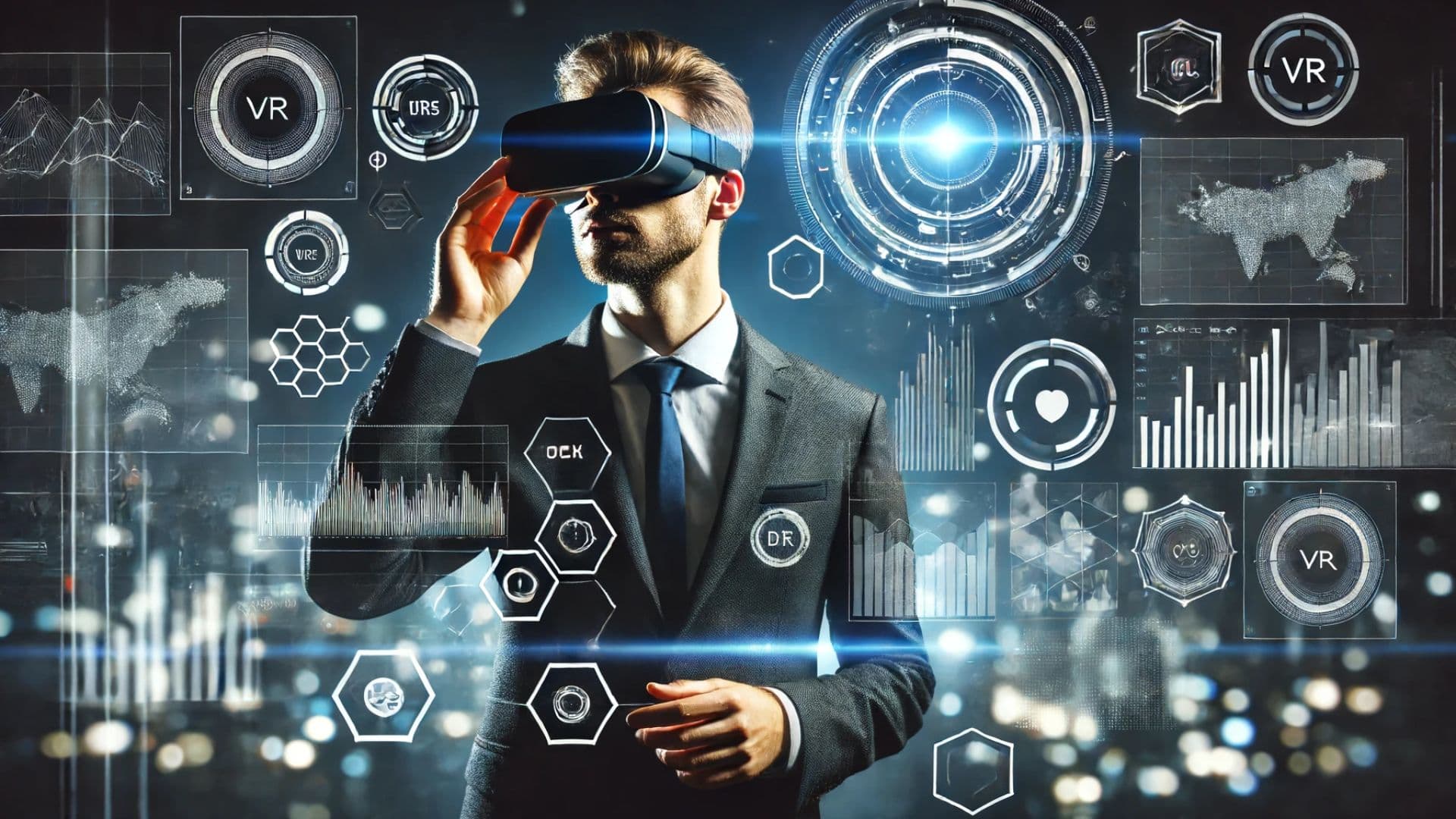
Virtual Reality (VR) is no longer a futuristic concept confined to the realms of gaming and entertainment. Today, VR is making significant inroads...
Virtual Reality (VR) is no longer a futuristic concept confined to the realms of gaming and entertainment. Today, VR is making significant inroads into the business and industry sectors, transforming the way companies train employees, conduct simulations, and facilitate remote work. This article explores the diverse applications of VR in these areas and presents case studies of companies that have successfully integrated VR into their operations.
VR Applications in Training
One of the most impactful applications of VR in business is in employee training. Traditional training methods, while effective, often lack the immersive experience that VR provides. VR training modules offer a realistic, interactive environment where employees can learn and practice new skills without the risks associated with real-world scenarios.
Safety Training: Industries such as construction, manufacturing, and healthcare have embraced VR for safety training. Workers can experience hazardous situations in a controlled virtual environment, learning how to react appropriately without any real danger. For example, Walmart uses VR to train employees on how to handle situations like Black Friday rushes, ensuring that staff are prepared for high-pressure environments.
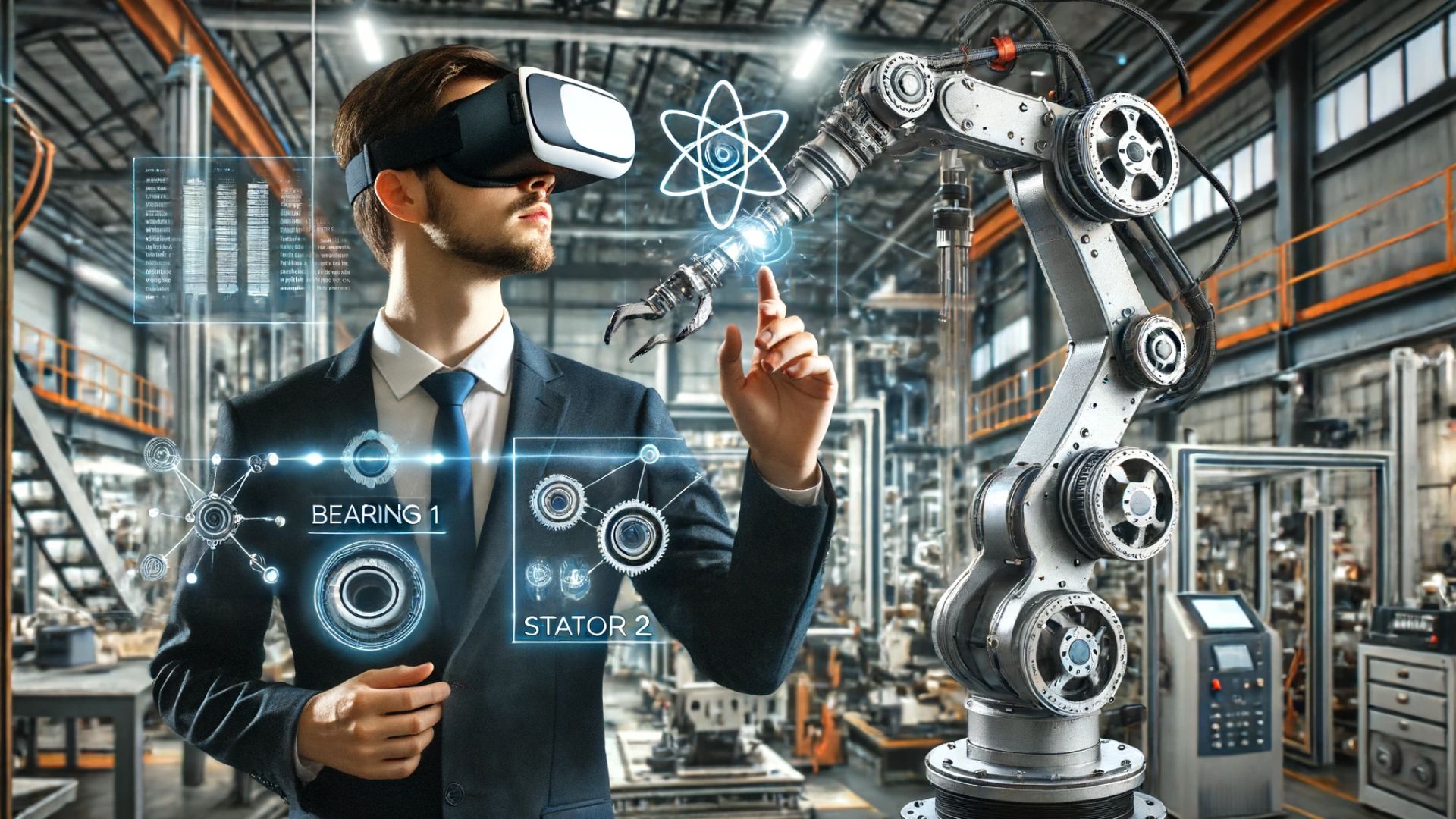
Technical Skills Development: In sectors like aviation and automotive, VR is used to train technicians and engineers. Boeing, for instance, employs VR to train technicians on airplane assembly processes, reducing errors and improving efficiency. Similarly, car manufacturers use VR to train workers on assembly line procedures and maintenance tasks.
VR in Simulation
Simulation is another area where VR is making a substantial impact. VR simulations allow companies to create realistic models of real-world processes and scenarios, enabling detailed analysis and improvement without the costs and risks associated with physical trials.
Product Design and Testing: Companies like Ford and General Motors use VR to simulate and test new vehicle designs. Engineers can walk around a virtual car, inspect its components, and make design adjustments in real-time. This not only speeds up the design process but also reduces the need for physical prototypes.
Crisis Management: VR simulations are also used in crisis management training. Emergency response teams can practice dealing with natural disasters, industrial accidents, and other emergencies in a virtual setting. This prepares them better for real-world crises, enhancing their response times and effectiveness.
VR in Remote Work
The COVID-19 pandemic accelerated the adoption of remote work, pushing businesses worldwide to seek innovative solutions to maintain productivity and collaboration. Virtual Reality (VR) has emerged as a powerful tool to enhance the remote work experience, providing virtual office environments where employees can collaborate as if they were physically present together. This section delves deeper into how VR is revolutionizing remote work through virtual meetings and remote collaboration.
Virtual Meetings
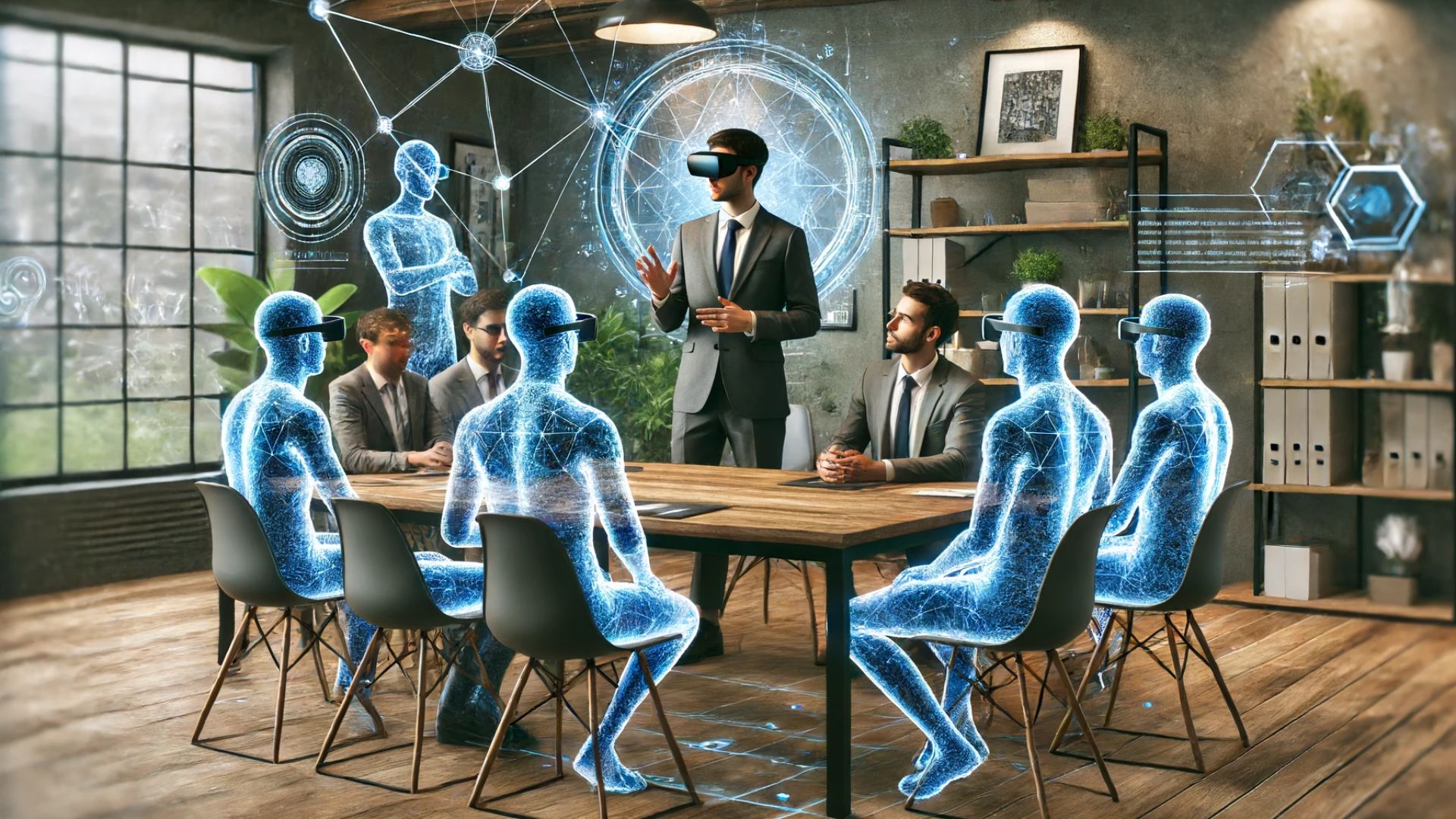
Traditional video conferencing platforms like Zoom and Microsoft Teams have become staples of remote work. However, VR meeting platforms take this concept a step further by creating immersive virtual environments that replicate the experience of being in a physical meeting room.
Horizon Workrooms: Developed by Meta (formerly Facebook), Horizon Workrooms is a prime example of how VR can transform virtual meetings. In Horizon Workrooms, participants can create personalized avatars and join virtual meeting rooms. These rooms are equipped with interactive whiteboards, shared documents, and spatial audio, which allows for more natural and dynamic interactions. This immersive environment helps reduce the sense of isolation often associated with remote work and makes meetings more engaging and productive.
Microsoft Mesh: Another leading platform is Microsoft Mesh, which aims to blend the physical and digital worlds. Microsoft Mesh allows users to appear as holograms in a shared virtual space, facilitating more interactive and realistic meetings. The platform supports a variety of devices, including VR headsets, PCs, and smartphones, ensuring accessibility for all team members. By integrating with Microsoft's suite of productivity tools, Mesh enables seamless collaboration on documents and projects within the virtual space.
The benefits of VR meetings are numerous:
Remote Collaboration
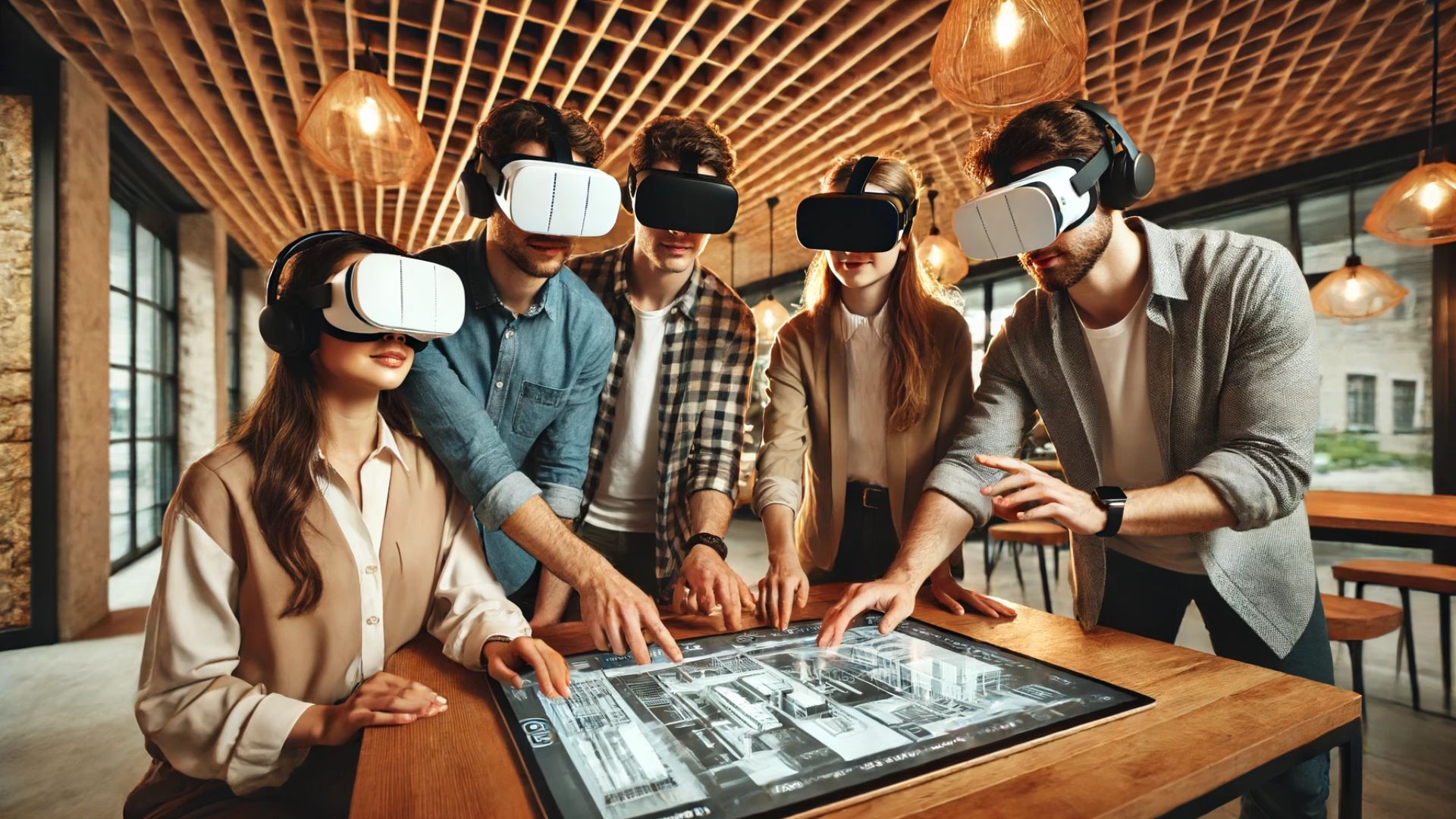
VR is also revolutionizing remote collaboration on complex projects, offering tools and environments that traditional remote work setups cannot match. This is particularly beneficial for industries that rely heavily on visual and spatial interactions, such as architecture, engineering, and design.
Architectural Design: In architecture, VR allows teams to create and explore virtual models of buildings and spaces. Architects can walk through their designs, make real-time changes, and visualize the impact instantly. This capability enhances collaboration, as team members can provide immediate feedback and suggestions within the virtual space. For example, the architecture firm Gensler uses VR to collaborate on projects with clients and stakeholders around the world, ensuring everyone has a clear understanding of the design and can contribute effectively.
Engineering and Manufacturing: Engineering teams can use VR to collaborate on product designs, simulations, and prototypes. Companies like Airbus use VR to design and assemble aircraft components, allowing engineers from different locations to work together in a virtual hangar. This not only speeds up the design process but also reduces the need for physical prototypes, saving time and costs.
Creative Collaboration: VR is a game-changer for creative industries as well. Designers, artists, and animators can work together on virtual canvases, manipulating 3D models and environments in real time. Platforms like Gravity Sketch and Tilt Brush enable remote teams to brainstorm, create, and iterate on designs seamlessly. This collaborative approach fosters innovation and creativity, as team members can visualize and interact with their ideas in a shared virtual space.
Global Teams: One of the most significant advantages of VR collaboration is its ability to bridge geographical gaps. International teams can work together as if they were in the same room, overcoming time zone differences and travel restrictions. This is particularly valuable for multinational corporations and remote-first companies that rely on diverse, distributed teams.
Case Studies of Successful VR Integration
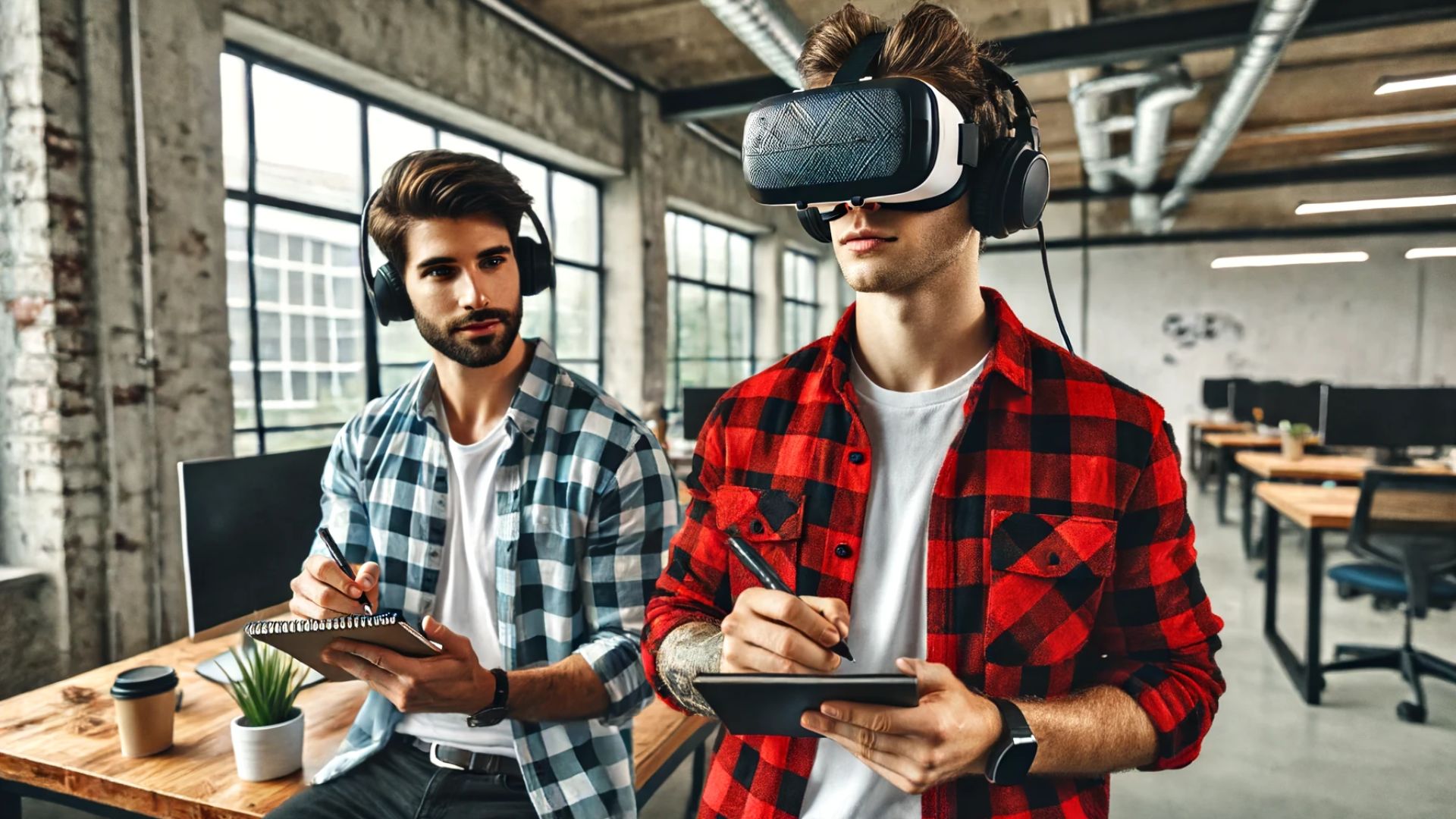
Lloyds Banking Group: Enhancing Customer Service through VR Training
Lloyds Banking Group, a leading financial services company, has successfully harnessed the power of virtual reality (VR) to revolutionize its employee training programs, particularly in customer service. Recognizing the need for an immersive and interactive training environment, Lloyds Banking Group implemented VR simulations to replicate real-life customer interactions.
Training Scenarios and Implementation:
Outcomes and Benefits:
BP: Preparing for Emergencies with VR Safety Training
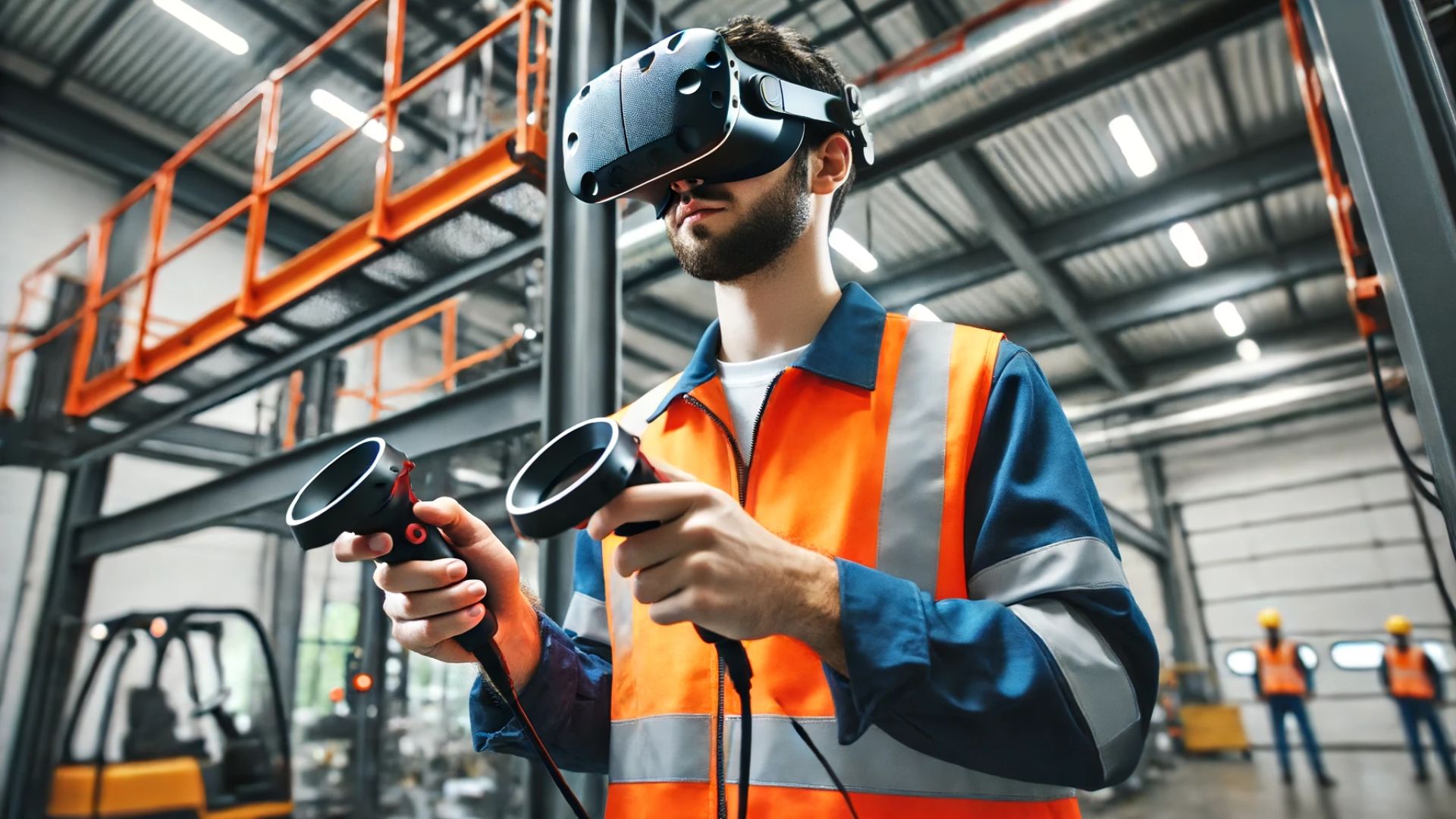
BP, one of the world’s largest energy companies, has integrated VR into its safety training and emergency response programs to enhance preparedness and response effectiveness. Given the high-risk nature of its operations, BP needed a training solution that could replicate hazardous scenarios without endangering employees.
Training Scenarios and Implementation:
Outcomes and Benefits:
Siemens: Innovating Training and Product Design with VR
Siemens, a global leader in engineering and technology, has embraced VR for both training and product design, leveraging the technology to enhance skill development and streamline the design process.
Training Scenarios and Implementation:
Outcomes and Benefits:
The successful integration of VR by companies like Lloyds Banking Group, BP, and Siemens highlights the transformative potential of virtual reality in business and industry. By enhancing training programs, improving safety protocols, and streamlining product design processes, VR is enabling these companies to achieve greater efficiency, safety, and innovation. As VR technology continues to evolve, its applications in business are expected to expand, offering even more opportunities for companies to optimize their operations and stay ahead in a competitive market.
Virtual Reality is revolutionizing business and industry by providing innovative solutions for training, simulation, and remote work. Companies that have integrated VR into their operations report improved efficiency, reduced costs, and enhanced employee performance. As VR technology continues to advance, its applications in business and industry are expected to grow, offering even more opportunities for innovation and improvement.
Author: Elisha Roodt
Sharing the best of Virtual Reality Durban with local VR experiences, events, and immersive tech insights from Durban and KwaZulu-Natal.