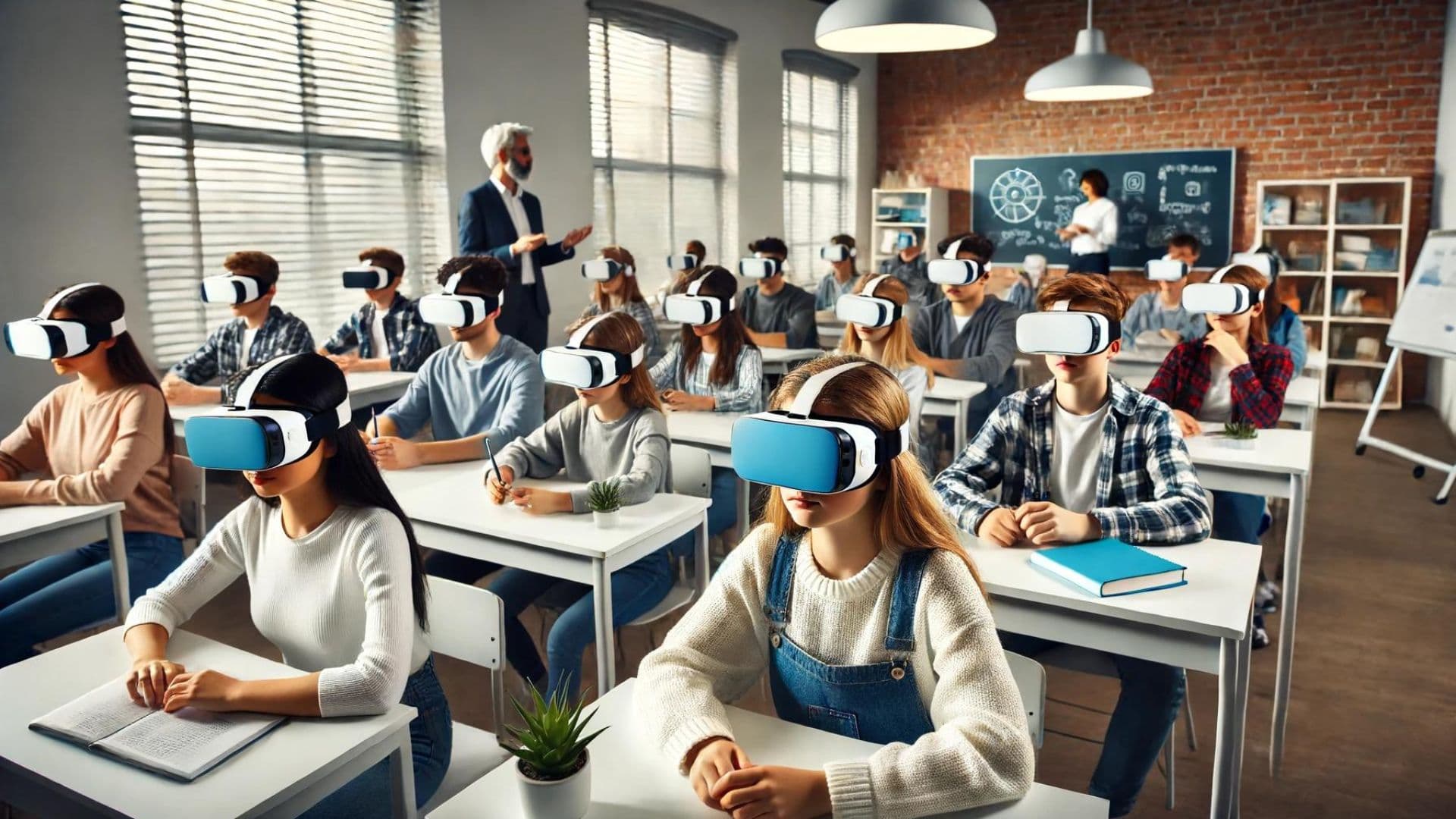
Virtual Reality use in Education
In an era where technology is an integral part of daily life, education systems worldwide are harnessing the power of Virtual Reality (VR) to...
In an era where technology is an integral part of daily life, education systems worldwide are harnessing the power of Virtual Reality (VR) to revolutionize the way students learn. VR, once a futuristic concept, is now a tangible tool that offers immersive learning experiences, making education more engaging, interactive, and effective.
The Power of Immersive Learning
Virtual Reality (VR) provides students with a unique opportunity to engage with educational content in a highly immersive environment. Instead of passively absorbing information, students can actively participate in simulated scenarios that replicate real-world experiences. This shift from traditional, lecture-based learning to a more interactive and experiential approach significantly enhances the educational experience.
Personalized Learning Experiences
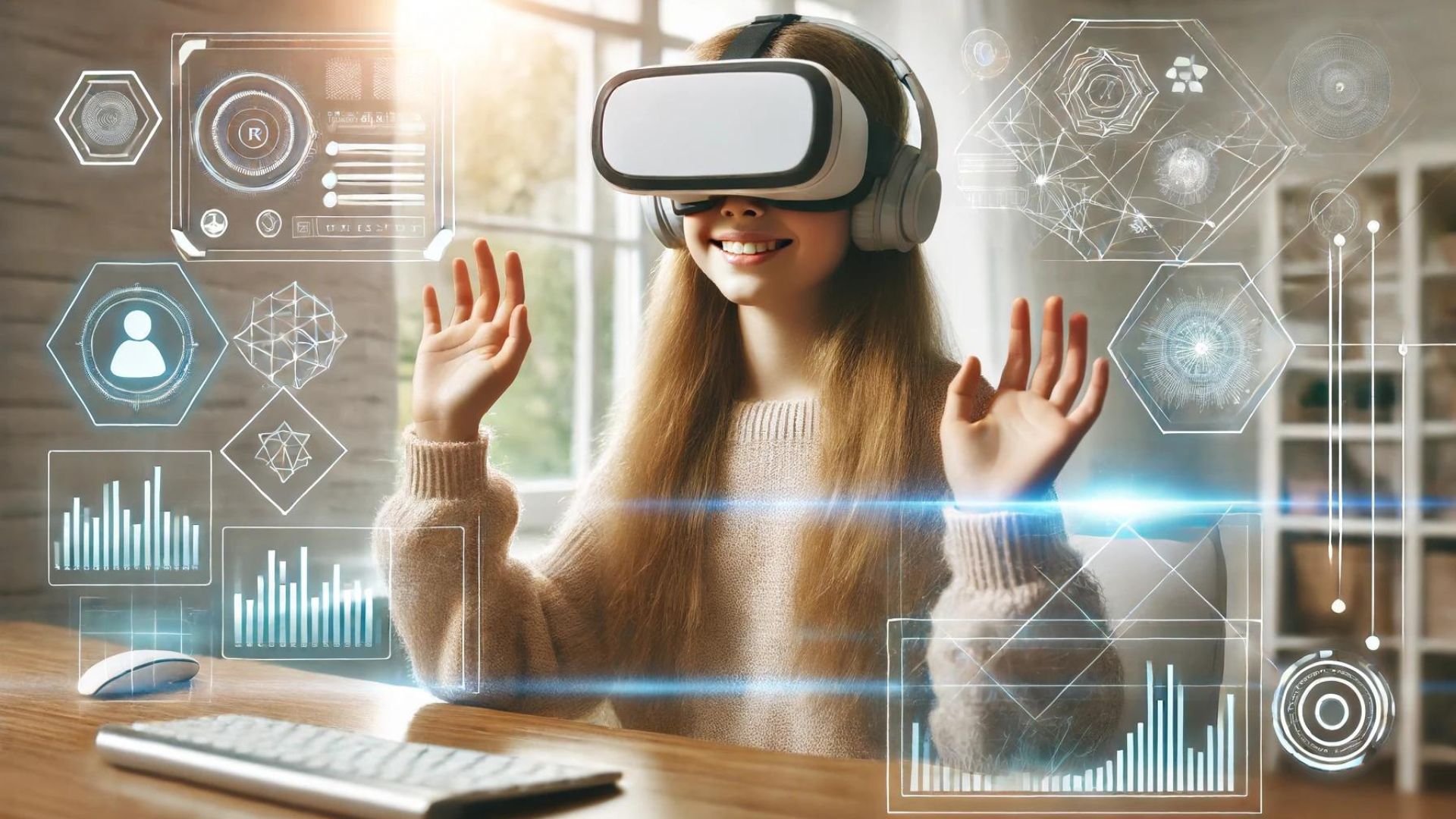
One of the most significant advantages of VR is its ability to provide personalized learning experiences. Each student learns at their own pace, and VR can be tailored to meet individual needs. For students with learning disabilities, VR offers customized lessons that cater to their unique learning styles, ensuring they receive the support they need to succeed.
Additionally, VR can adapt to different learning preferences, whether a student is a visual, auditory, or kinesthetic learner. This adaptability makes VR an inclusive tool that can accommodate diverse educational needs, making learning more accessible and effective for all students.
Bringing History to Life
Imagine a history lesson where students can virtually walk through the streets of ancient Rome, visit the Colosseum, and witness historical events as if they were actually there. Such experiences are no longer confined to the realm of imagination. With VR, history lessons can come alive, allowing students to explore historical sites, interact with historical figures, and gain a deeper understanding of different cultures and epochs. This immersive approach not only makes learning more engaging but also helps students retain information better by connecting emotionally and visually with the content.
Enhancing STEM Education
STEM (Science, Technology, Engineering, and Mathematics) education is one of the primary beneficiaries of VR technology. Virtual laboratories enable students to conduct experiments in a risk-free environment, making it easier to understand abstract concepts. Engineering students can design, build, and test their projects in a virtual space before moving to the physical world, reducing costs and enhancing innovation.
Moreover, VR simulations in mathematics help demystify complex theories by providing a visual and interactive representation of mathematical problems. This not only aids in better understanding but also makes learning math more enjoyable.
Transforming Science Education
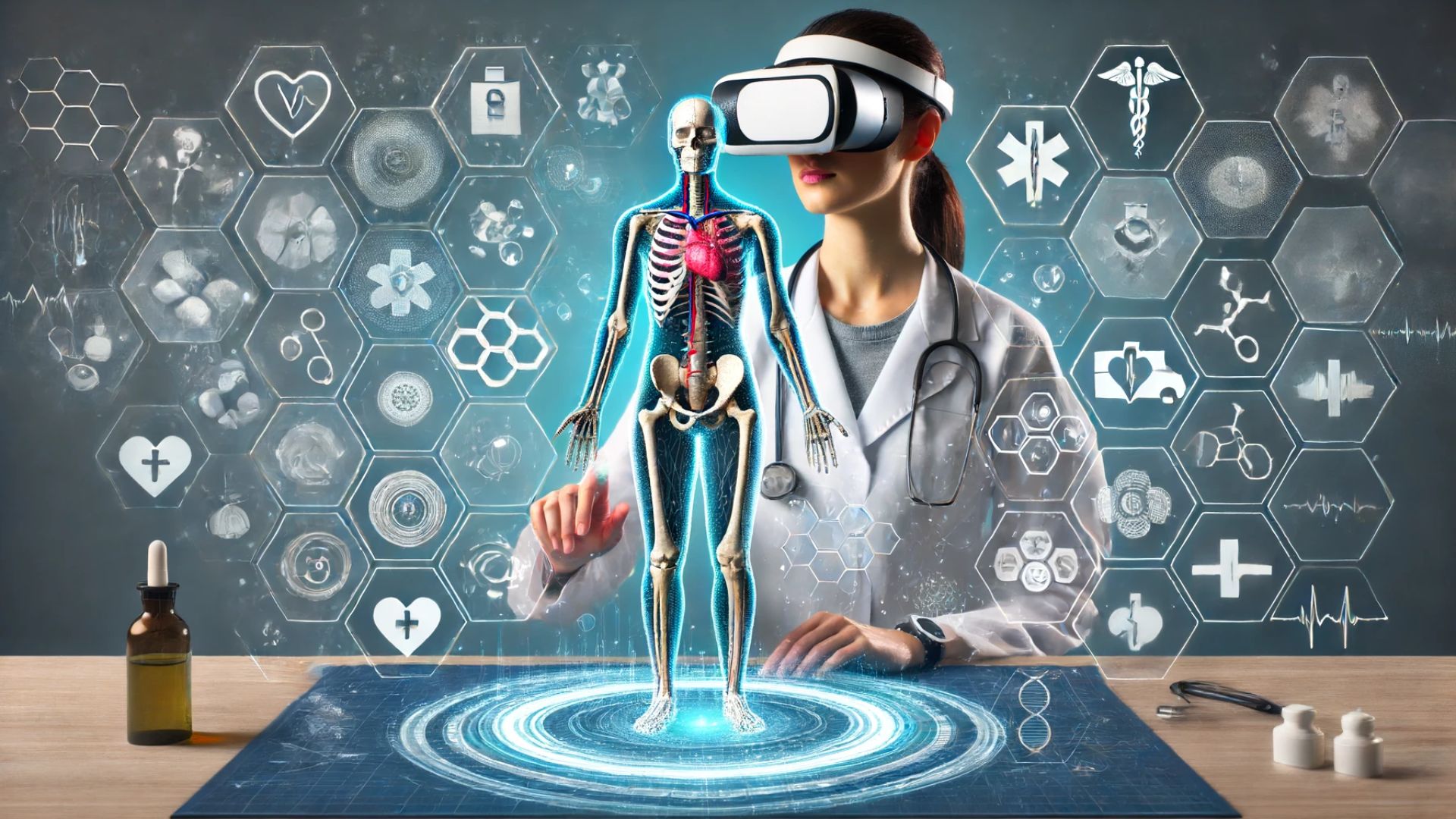
In biology classes, students can delve into the human body, exploring complex systems like the circulatory or nervous system in 3D. They can observe how organs function, watch cells divide, and understand processes such as DNA replication in a visually captivating way. This hands-on approach in a virtual environment helps demystify complex biological processes and makes learning more intuitive and memorable.
Chemistry and physics classes also benefit from VR technology. Students can conduct virtual experiments in a safe environment, manipulating chemicals and observing reactions without the risks associated with real-life labs. Physics students can visualize abstract concepts like electromagnetism or quantum mechanics through interactive simulations, which can significantly enhance their understanding and appreciation of these subjects.
Enhancing Knowledge Retention and Comprehension
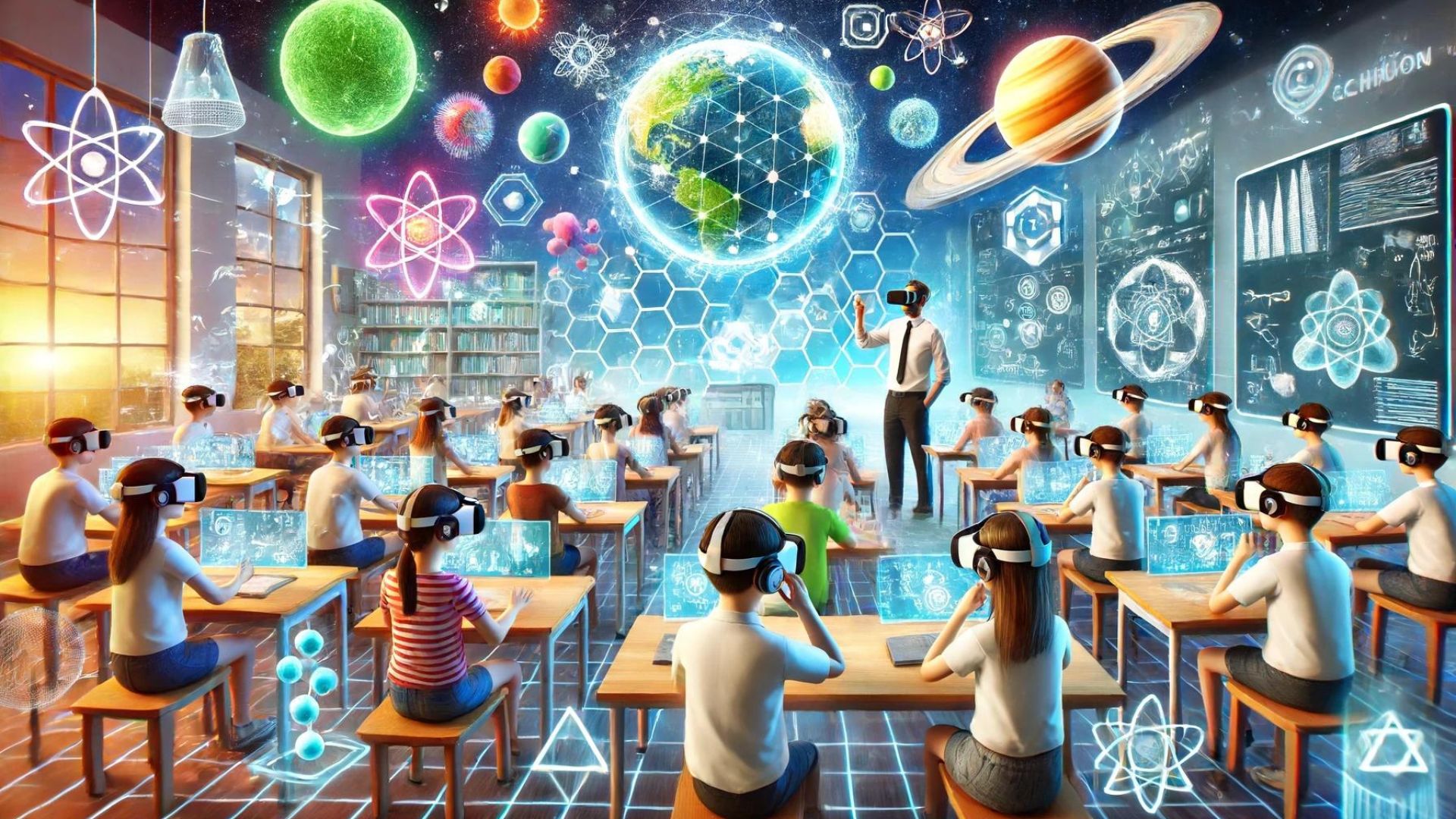
This immersive learning approach helps to reinforce knowledge retention and comprehension. Traditional learning methods often rely heavily on rote memorization, which can be challenging for many students. VR, on the other hand, allows students to visualize and interact with the subject matter, creating strong mental images and associations that aid in memory retention.
Studies have shown that VR can significantly improve students' understanding and recall of complex concepts. For instance, a study published in the Journal of Educational Psychology found that students who used VR to learn about planetary motion retained information more effectively than those who learned through traditional methods. The interactive and engaging nature of VR stimulates multiple senses, making the learning experience more holistic and impactful.
Bridging the Gap in Remote Learning
The COVID-19 pandemic underscored the importance of remote learning solutions. VR has the potential to bridge the gap between traditional classroom settings and online education. Virtual classrooms can recreate the interactive experience of a physical classroom, complete with peer interaction and real-time collaboration with teachers.
Students in remote areas or those unable to attend school due to health issues can benefit greatly from VR-enabled education. It ensures that they do not miss out on the interactive and collaborative aspects of learning, which are crucial for their overall development.
Promoting Inclusive Education
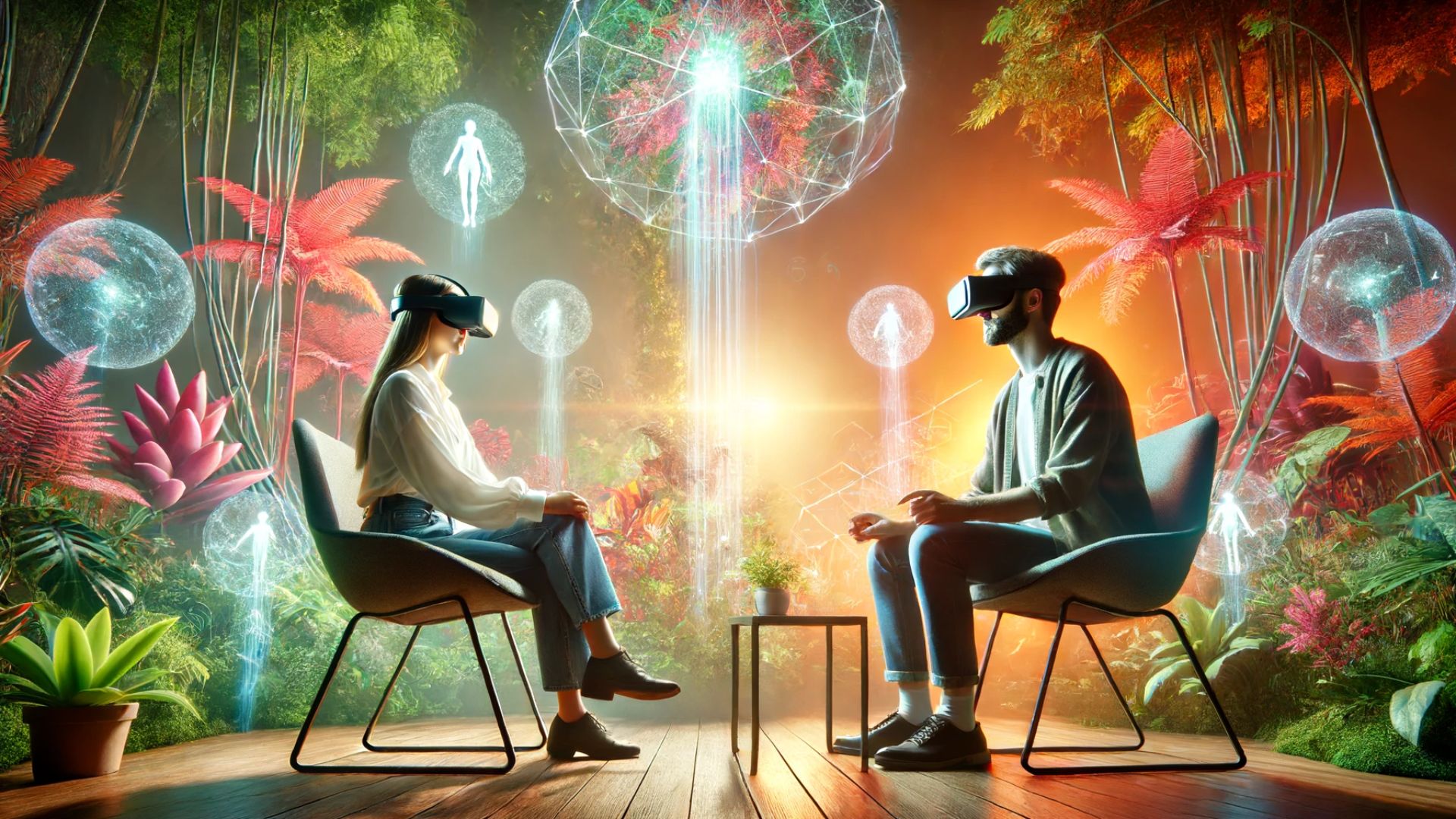
One of the most remarkable aspects of VR in education is its ability to cater to diverse learning needs. VR can be tailored to accommodate students with learning disabilities, providing them with customized learning experiences that suit their pace and style. For instance, VR can simulate real-life social interactions for students with autism, helping them develop social skills in a controlled and supportive environment.
Additionally, VR can break down language barriers by offering multilingual support and real-time translations, mahealtcare and king education more accessible to students from different linguistic backgrounds.
Real-World Applications and Career Preparation
VR not only enhances classroom learning but also prepares students for real-world applications. Medical students, for example, can practice surgeries in a virtual environment, gaining valuable hands-on experience without the risks associated with real-life practice. This practical training helps build confidence and competence, crucial for future healthcare professionals.
Architecture and engineering students can create and explore virtual models of their designs, allowing them to test structural integrity, experiment with materials, and visualize their projects in a real-world context. This practical experience is invaluable in preparing them for careers in their respective fields.
Challenges and Considerations
While the benefits of VR in education are numerous, there are challenges to consider. The cost of VR equipment and the need for high-speed internet can be prohibitive for some schools, particularly in developing regions. Additionally, there is a learning curve associated with using VR technology, necessitating adequate training for both teachers and students.
Privacy and security concerns also need to be addressed, ensuring that the use of VR in education adheres to strict data protection regulations.
The power of immersive learning through VR is transforming education by making it more engaging, interactive, and effective. By allowing students to actively participate in their learning, visualize complex concepts, and gain hands-on experience in a virtual environment, VR is setting a new standard for educational excellence. As technology continues to evolve, the potential for VR in education will only expand, offering students unparalleled opportunities to explore, discover, and learn in ways that were once unimaginable.
Author: Elisha Roodt
Sharing the best of Virtual Reality Durban with local VR experiences, events, and immersive tech insights from Durban and KwaZulu-Natal.