VR in Retail: The Future of Shopping Unveiled
The retail landscape, once defined by bustling marketplaces and brick-and-mortar stores, is undergoing a seismic shift. As we stand on the...
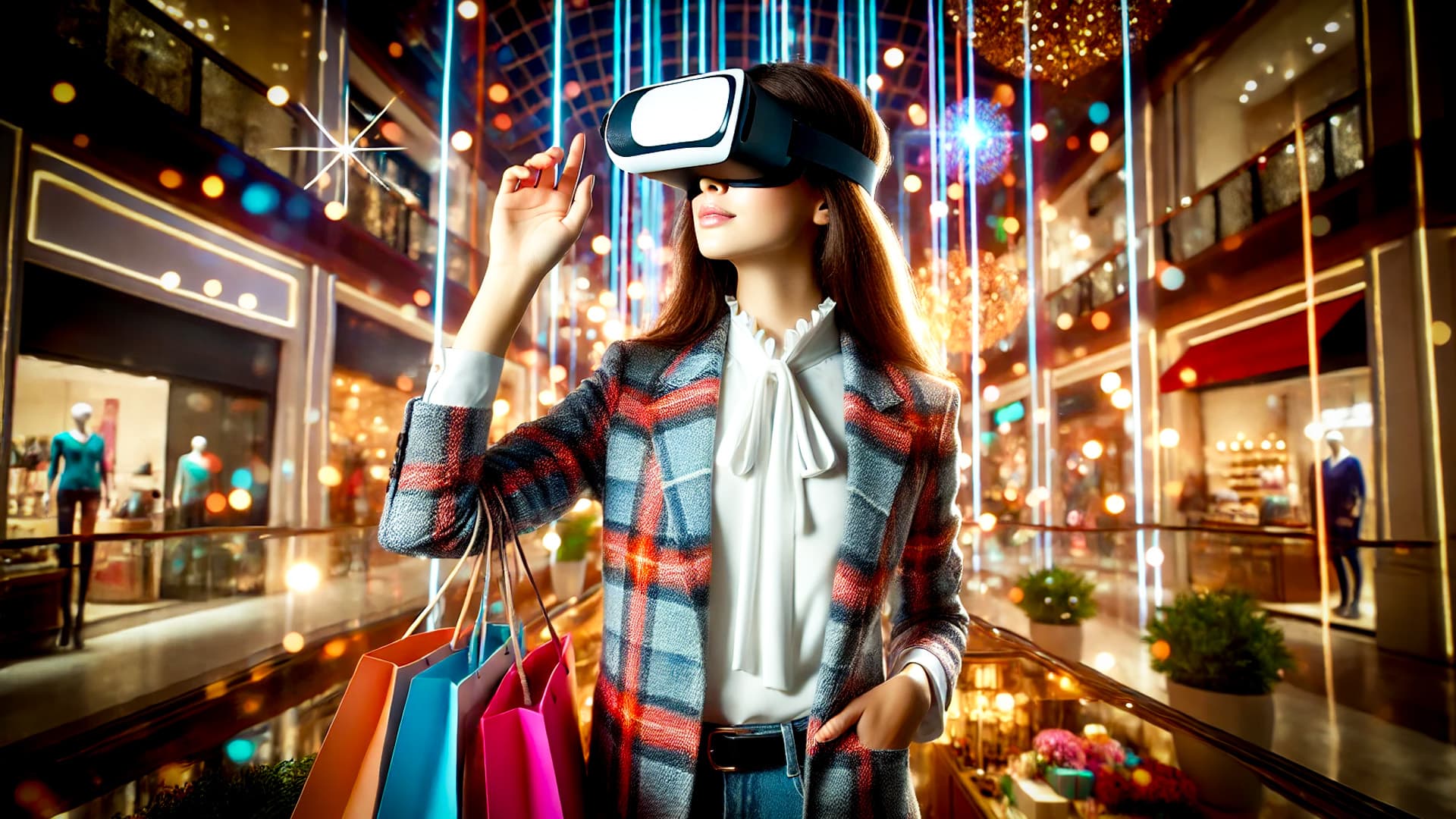
The retail landscape, once defined by bustling marketplaces and brick-and-mortar stores, is undergoing a seismic shift. As we stand on the precipice of a technological revolution, virtual reality (VR) emerges as a powerful tool reshaping the way consumers interact with products and brands. The future of retail is no longer confined to physical spaces; it is expanding into the limitless realms of virtual environments.
This evolution is not just about technology; it’s about reimagining the entire shopping experience. With VR, commerce transcends traditional boundaries, offering a rich, immersive experience that caters to the evolving expectations of modern consumers. In this new world, the sensory engagement of shopping in a physical store can be replicated—or even enhanced—through VR, creating a seamless blend of the real and the virtual.
But this transformation didn't happen overnight. The integration of VR into retail is part of a broader trend where technology consistently pushes the boundaries of traditional shopping. As consumers become more tech-savvy, their expectations rise, demanding more innovative and personalized shopping experiences. VR is the latest, and arguably most significant, leap in this ongoing evolution, promising to revolutionize how we perceive and engage with retail environments.
The Evolution of Retail: From Brick-and-Mortar to Virtual Spaces
Traditional retail models, which have dominated commerce for centuries, are now being challenged by VR-enabled shopping experiences. The once-linear path from production to consumption is being disrupted as retailers explore new ways to engage consumers. Physical stores, with their tangible products and face-to-face interactions, once held the monopoly on the shopping experience. However, the advent of VR is creating a parallel universe where customers can browse, interact, and purchase in a fully digital space.
The historical context of retail evolution is crucial to understanding the current shift. The journey began with local markets where goods were exchanged in person, which then evolved into department stores that centralized shopping under one roof. The next major shift was the rise of e-commerce in the late 20th century, where online shopping became a viable alternative to in-store purchases. Each of these transformations brought about changes in consumer behavior, but none have been as immersive or transformative as VR.
Key milestones in retail technology, such as the advent of e-commerce and mobile shopping, paved the way for this transformation. Yet, VR is pushing these innovations further, enabling retailers to offer immersive shopping experiences that were once the stuff of science fiction. Imagine walking through a virtual store where you can pick up items, examine them from every angle, and even see how they fit into your life—all without leaving your home. This shift towards immersive shopping is not just a trend; it’s a fundamental change in how consumers interact with brands.
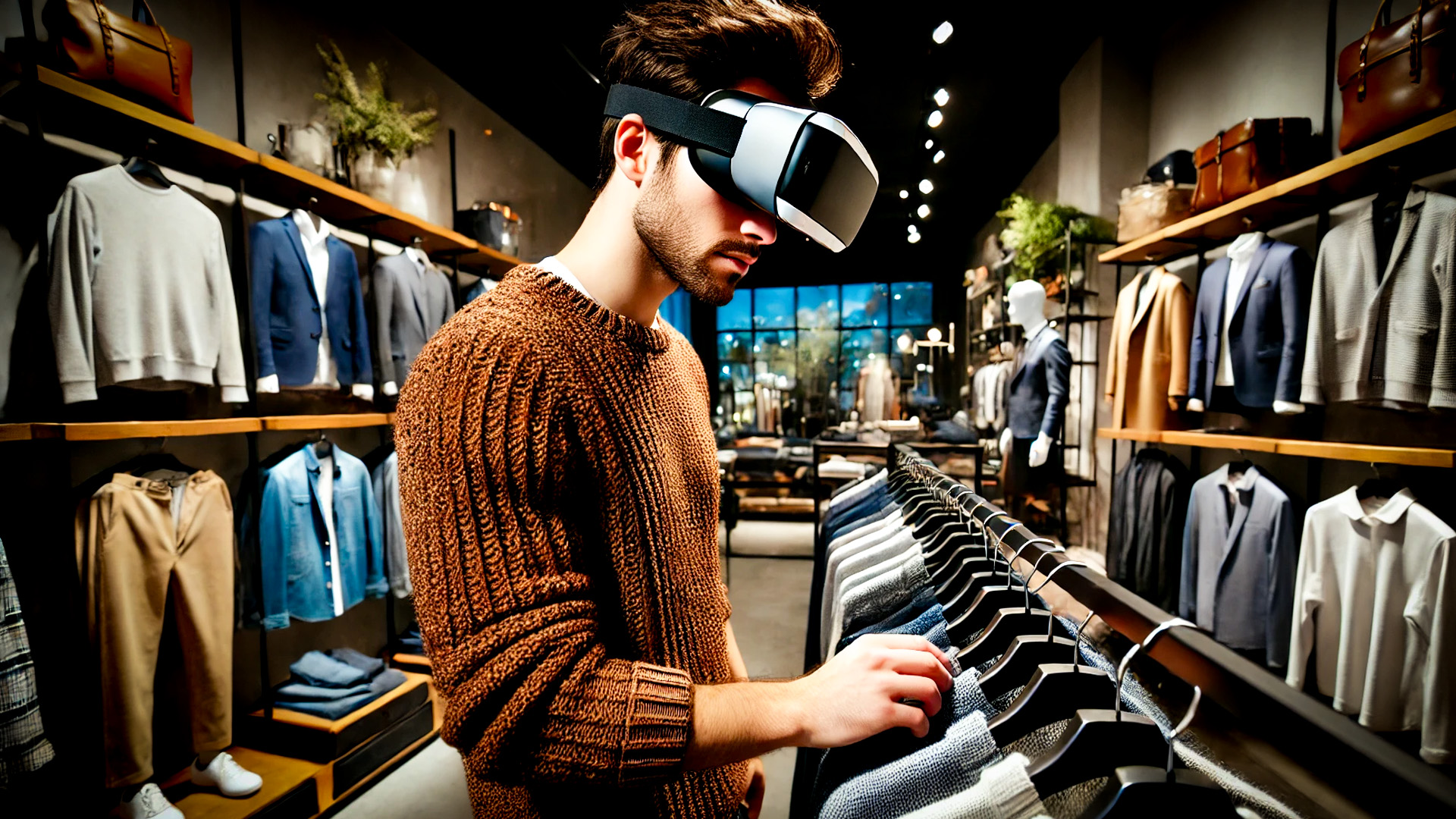
The impact of VR on retail is being felt across various sectors. For instance, in fashion, virtual try-ons have become increasingly popular, allowing customers to see how clothes fit without physically wearing them. Similarly, the automotive industry is using VR to let potential buyers experience a car's interior and features without stepping into a showroom. These examples highlight how VR is not just a novelty but a practical tool that enhances the shopping experience.
How VR is Redefining Customer Engagement
In the era of VR, customer engagement is no longer confined to traditional touchpoints. Personalized shopping journeys, once limited to targeted advertisements or in-store recommendations, are now fully realized in the virtual world. With VR, retailers can create tailored experiences that respond dynamically to each customer’s preferences and behaviors. Whether it’s a virtual fashion show where consumers can try on outfits in real-time or a home decor shop that lets you visualize furniture in your living space, VR enables a level of personalization that is unparalleled.
This personalization extends beyond mere product recommendations. VR allows retailers to create entire environments tailored to individual tastes. For example, a customer interested in outdoor adventure gear might enter a virtual store designed as a mountain landscape, complete with interactive elements like changing weather conditions to showcase the durability of products. This kind of immersive experience deepens the emotional connection between the brand and the consumer, making shopping not just a transaction but an experience.
Immersive interactions within virtual spaces are enhancing brand loyalty. Customers who engage with a brand in a memorable, interactive environment are more likely to develop a strong emotional connection. VR allows brands to tell their stories in more compelling ways, turning passive shoppers into active participants. Additionally, VR serves as a powerful tool for interactive product demos. Complex products that require detailed explanations or those that benefit from a hands-on approach can be showcased in VR, providing consumers with a deeper understanding and appreciation.
One notable example is IKEA’s VR showroom, where customers can design their own spaces, selecting furniture and decor items to see how they fit together. This not only simplifies the shopping process but also empowers customers, giving them control over their choices in a way that traditional shopping cannot match.
The Benefits of VR in Retail for Businesses
The integration of VR in retail offers a multitude of benefits for businesses, starting with cost efficiency. Traditional brick-and-mortar stores come with significant overheads, from rent and utilities to staffing and inventory management. Virtual stores, on the other hand, can significantly reduce these costs while offering a similar—or even enhanced—shopping experience. By shifting some operations to a virtual platform, retailers can allocate resources more effectively, ultimately boosting their bottom line.
For example, Alibaba's "Buy+" VR shopping platform allows users to shop in a virtual environment without the need for physical retail space. This innovation has the potential to reduce overhead costs dramatically while reaching a global audience. Such cost savings can then be reinvested into other areas of the business, such as product development or customer service, creating a positive feedback loop that drives growth.
VR also expands market reach by breaking down geographic barriers. A virtual store is accessible from anywhere in the world, opening up new markets and allowing businesses to reach consumers in regions where physical stores may not be viable. This global reach is further amplified by the data-driven insights that VR provides. By tracking consumer behavior in virtual environments, retailers can gain valuable insights into customer preferences, shopping patterns, and even potential pain points. This data can be used to refine offerings, improve customer satisfaction, and drive sales.
For instance, brands like Tommy Hilfiger have experimented with VR fashion shows that allow customers from all over the world to experience their latest collections firsthand. This not only increases brand visibility but also creates a unique selling proposition that sets them apart from competitors.
Consumer Perspectives: Experiencing Retail in VR
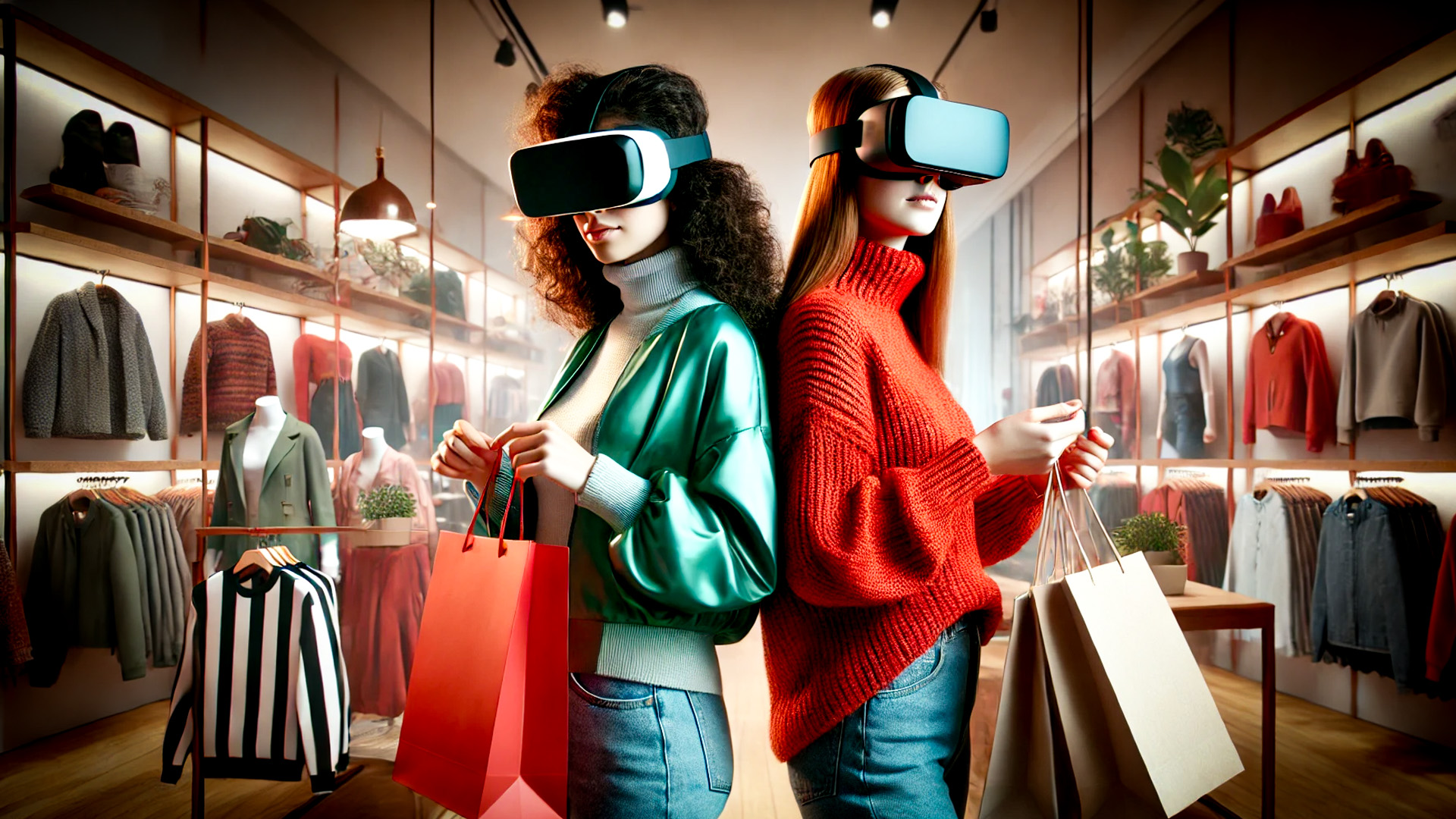
From the consumer’s perspective, VR shopping offers a blend of convenience and novelty that is hard to resist. The ability to shop from the comfort of one’s home while still enjoying the immersive experience of a physical store is a major draw. VR shopping eliminates the need to navigate crowded malls, wait in long lines, or settle for static images on a screen. Instead, it offers a dynamic, interactive environment where consumers can explore products in detail and make informed decisions.
With any new technology, there is a degree of skepticism that must be overcome. Building trust in virtual transactions is essential for widespread adoption. Retailers must ensure that their VR platforms are secure, user-friendly, and transparent. By addressing concerns around data privacy, transaction security, and the authenticity of virtual products, retailers can build confidence and encourage more consumers to embrace VR shopping.
Security is a critical concern in virtual environments. Consumers need assurance that their personal information and payment details are protected. Retailers must invest in robust cybersecurity measures and clearly communicate these safeguards to customers. Additionally, as VR shopping becomes more prevalent, the industry may need to develop new standards and regulations to protect consumers and ensure fair practices.
Real-world reactions to VR retail experiences have been overwhelmingly positive. Testimonials from early adopters highlight the unique advantages of VR shopping, from the thrill of exploring a virtual store to the ease of trying out products in a lifelike setting. As more consumers experience the benefits of VR, the demand for these experiences is expected to grow, driving further innovation in the retail sector.
Consider the example of L’Oréal, which launched a VR experience allowing customers to explore their makeup products in a virtual setting. Users could see how different shades of lipstick or eyeshadow would look on their own faces, creating a personalized shopping experience that was both fun and practical. Such innovations are not just gimmicks; they address real consumer needs and preferences, making shopping more enjoyable and efficient.
Challenges and Considerations for Implementing VR in Retail
While the benefits of VR in retail are clear, there are also challenges that businesses must navigate. One of the most significant hurdles is the need for robust VR infrastructure. Creating a seamless, high-quality VR experience requires advanced hardware, powerful software, and a stable internet connection. Retailers must invest in the right technology to ensure that their virtual stores are accessible, responsive, and engaging.
The cost of developing and maintaining a VR platform can be significant, particularly for smaller retailers. However, as technology advances and becomes more accessible, these costs are likely to decrease. Retailers can also explore partnerships with technology providers or invest in modular VR solutions that can be scaled up as needed.
Accessibility is another critical consideration. To make VR shopping inclusive, retailers must ensure that their platforms are accessible to all consumers, regardless of their physical abilities or technical expertise. This includes designing user-friendly interfaces, providing alternative navigation options, and offering support for various VR devices. Inclusivity should be at the forefront of VR retail strategies to ensure that no customer is left behind.
For example, ensuring that VR platforms are compatible with a range of devices, from high-end headsets to smartphones, can help broaden the audience. Retailers should also consider the needs of consumers with disabilities, offering features like voice navigation or alternative input methods to ensure that everyone can participate in the virtual shopping experience.
Balancing virtual and physical retail presents its own set of challenges. While VR offers exciting new opportunities, it should complement rather than replace traditional retail experiences. Retailers must find the right balance between the two, leveraging the strengths of each to create a cohesive, omnichannel strategy. This might involve integrating VR experiences into physical stores or using VR as a tool to enhance online shopping.
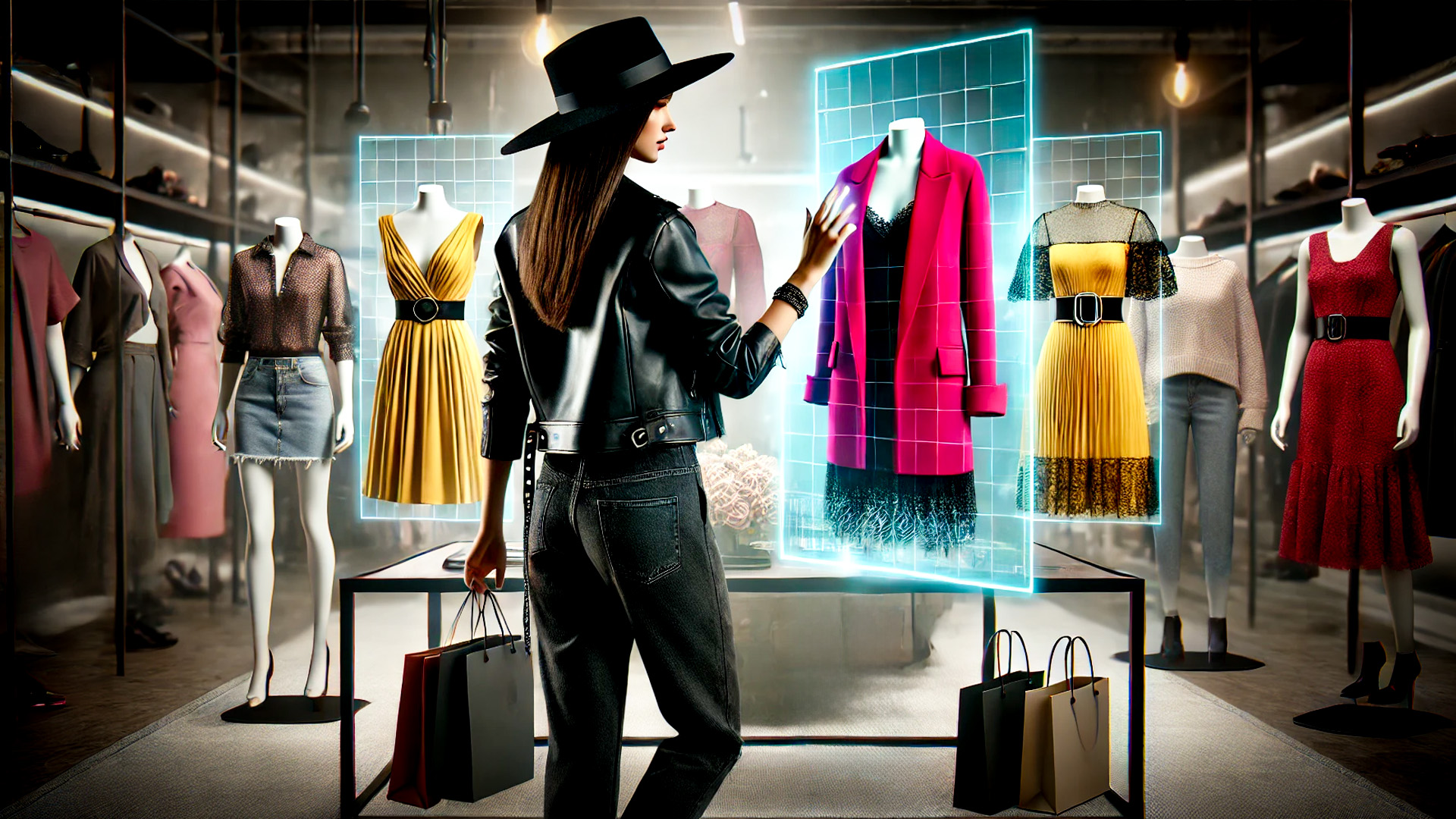
For instance, some retailers are experimenting with "phygital" spaces that blend physical and digital elements, such as virtual fitting rooms in brick-and-mortar stores or augmented reality apps that enhance the in-store experience. By offering a seamless transition between the virtual and physical worlds, retailers can provide a more holistic and satisfying shopping experience.
The Future of Retail: What Lies Ahead?
As we look to the future, the potential of VR in retail is virtually limitless. Emerging technologies such as artificial intelligence (AI) and machine learning are likely to play a significant role in enhancing VR shopping experiences. AI can be used to analyze consumer behavior in real-time, offering personalized recommendations and tailored shopping experiences. Machine learning algorithms can help retailers predict trends, optimize inventory, and improve customer service.
Imagine a future where AI-driven avatars assist customers in virtual stores, guiding them through product options based on their preferences and previous purchases. These avatars could become more sophisticated over time, learning from interactions and providing increasingly personalized experiences. This level of personalization could revolutionize the retail industry, making shopping more intuitive, efficient, and enjoyable.
The integration of VR into omnichannel strategies will also shape the future of retail. Consumers are increasingly expecting a seamless shopping experience that transcends physical and digital boundaries. Retailers who can successfully integrate VR into their existing channels, creating a cohesive and unified customer journey, will have a competitive edge in this new landscape.
The sustainability implications of VR in retail are worth considering. As consumers become more environmentally conscious, the ability to shop virtually, without the need for physical stores or excessive packaging, could become a major selling point. VR could also facilitate more sustainable production practices by allowing retailers to test and refine products in a virtual environment before committing to physical manufacturing.
The future of retail is not just about selling products; it’s about creating experiences. VR has the potential to turn shopping into an adventure, where consumers can explore, discover, and engage with brands in entirely new ways. As technology continues to evolve, so too will the possibilities for VR in retail, promising a future where the line between the virtual and the real is increasingly blurred.
Embracing the VR Revolution in Retail
The impact of VR on the retail sector cannot be overstated. As this technology continues to evolve, it will play an increasingly central role in shaping the future of shopping. Retailers who embrace VR today will be well-positioned to thrive in the years to come, offering innovative, engaging, and personalized experiences that resonate with modern consumers.
The journey is just beginning. As retailers continue to experiment with and refine VR technology, they will unlock new possibilities for customer engagement, brand loyalty, and market expansion. The retail landscape is poised for a transformation, and VR will be at the heart of this revolution, driving change and creating new opportunities for businesses and consumers alike.
Author: Elisha Roodt
Sharing the best of Virtual Reality Durban with local VR experiences, events, and immersive tech insights from Durban and KwaZulu-Natal.