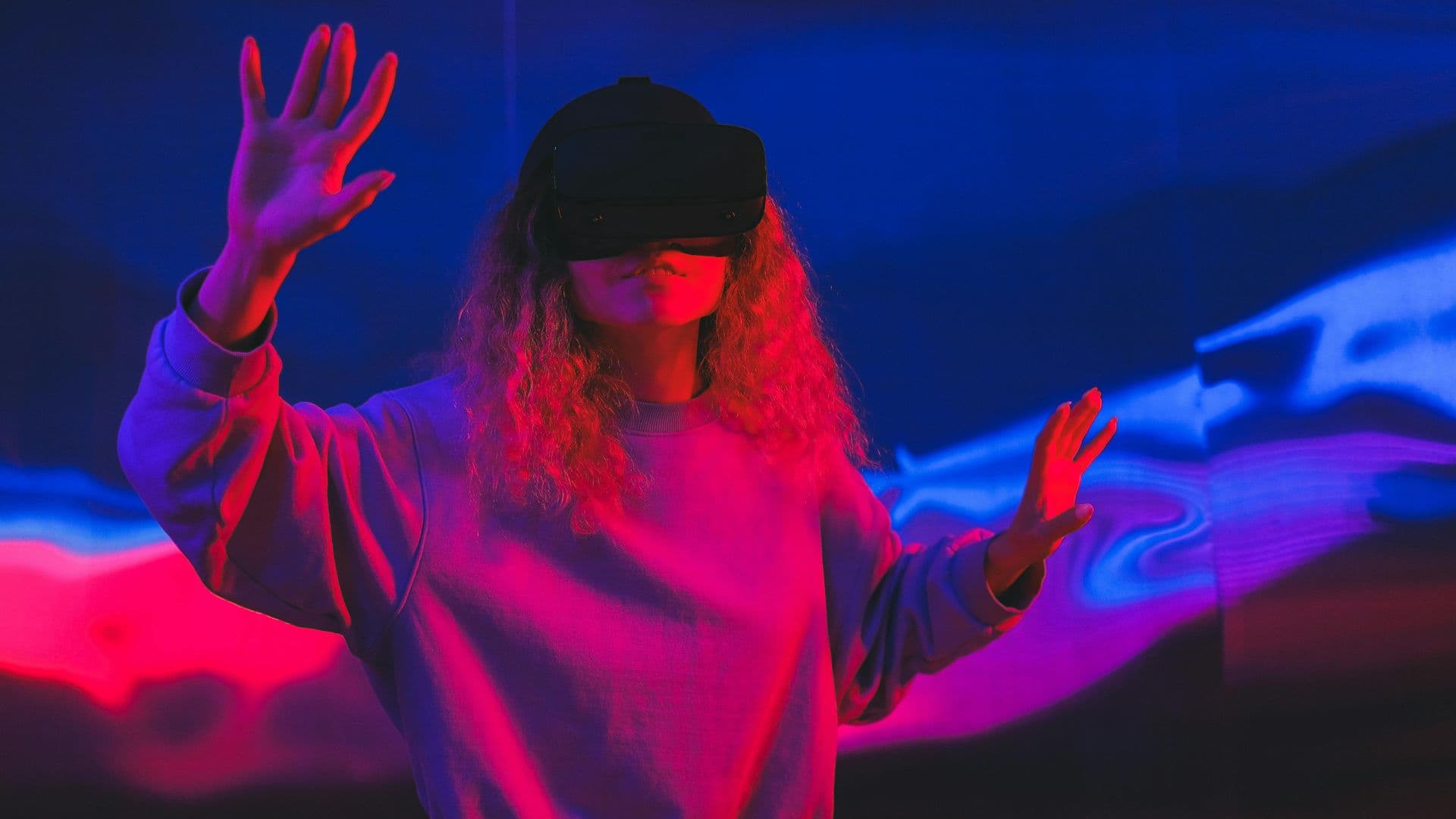
What is Virtual Reality?
Introduction to Virtual Reality. Virtual reality (VR) is a cutting-edge technology that immerses users in a simulated environment, offering an...
Introduction to Virtual Reality.
Virtual reality (VR) is a cutting-edge technology that immerses users in a simulated environment, offering an interactive and sensory-rich experience unlike any other. Utilizing advanced hardware such as head-mounted displays (HMDs), motion tracking sensors, and specialized input devices, VR creates a fully immersive digital world that can replicate real-life settings or craft entirely fantastical realms. This technology extends beyond visual immersion, incorporating audio, haptic feedback, and even olfactory elements to enhance the sense of presence and realism. Initially popularized through gaming and entertainment, VR has since expanded into diverse fields including education, healthcare, architecture, and training, providing innovative solutions for simulation, design, and therapeutic applications. The transformative potential of VR lies in its ability to transcend physical limitations, enabling users to explore, learn, and interact within virtual spaces that are both engaging and impactful.
The History of Virtual Reality.
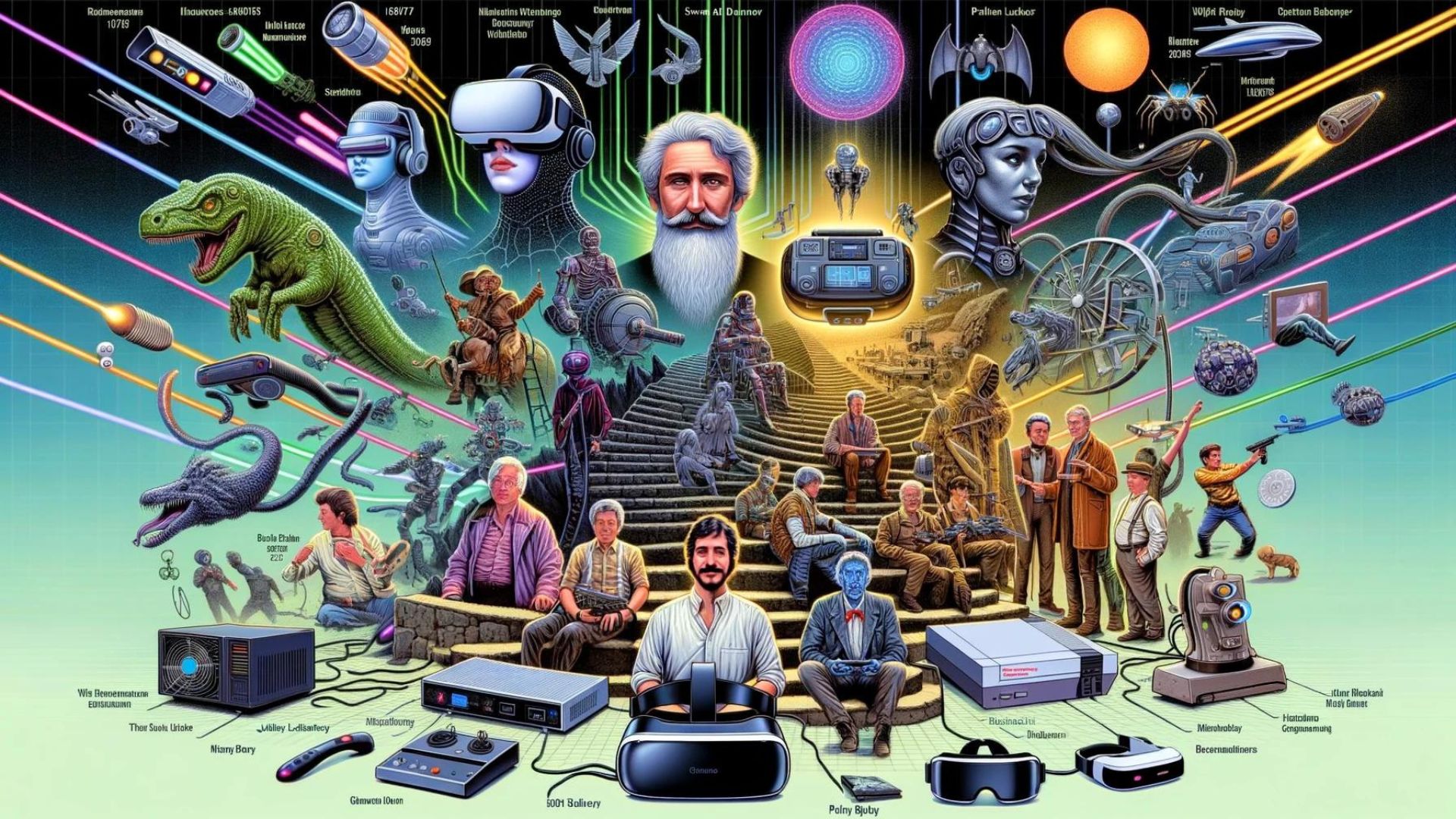
The concept of virtual reality (VR) has deep roots in both imagination and scientific exploration. Early inklings of VR can be traced back to the 1930s and 1940s, where science fiction writers like Stanley G. Weinbaum envisioned fantastical worlds created through technology. However, it wasn't until the 1960s that VR began to materialize as a tangible concept. One notable milestone was the development of the Sensorama by Morton Heilig in 1962, an arcade-style machine that engaged multiple senses to immerse users in simulated environments. Heilig's invention laid the groundwork for the multisensory experiences that define modern VR. Another pivotal moment came in 1968 with Ivan Sutherland's "Sword of Damocles," often regarded as the first true VR head-mounted display (HMD). Although cumbersome and tethered to large computers, the "Sword of Damocles" demonstrated the potential for immersive, interactive experiences within virtual worlds.
Throughout the 1970s and 1980s, VR research gained momentum, driven largely by military and academic interests. Institutions like NASA and the military explored VR for flight simulation and training, recognizing its potential to provide realistic, risk-free environments for practice and skill development. Meanwhile, researchers such as Jaron Lanier and Thomas Furness expanded the possibilities of VR with innovations in HMDs, input devices, and software. Despite these advancements, consumer-grade VR remained out of reach for most people due to technological limitations and high costs.
The 1990s marked the first attempts to commercialize VR with products like the Virtuality arcade machines and Nintendo's Virtual Boy. While these early ventures garnered attention, they ultimately faltered due to issues such as limited graphics capabilities, discomfort during prolonged use, and a lack of compelling content. As a result, interest in VR waned, and the technology entered a period of dormancy.
However, the late 2010s witnessed a resurgence of interest in VR, fueled by significant advancements in hardware, software, and affordability. Companies like Oculus VR (founded by Palmer Luckey and later acquired by Facebook) and HTC Vive introduced consumer-friendly VR headsets that offered high-quality experiences at more accessible price points. These developments spurred a renaissance in VR applications across various industries, from gaming and entertainment to education, healthcare, and beyond.
Today, VR technology continues to evolve at a rapid pace, driven by ongoing innovations in areas such as display technology, haptic feedback, and artificial intelligence. As VR becomes increasingly integrated into everyday life, its potential to reshape how we learn, communicate, and experience the world is more evident than ever. From humble beginnings as a science fiction dream to a transformative force in the digital age, the history of virtual reality is a testament to human ingenuity and the enduring quest to push the boundaries of what's possible.
How Does Virtual Reality Work?
Virtual reality (VR) works by creating an immersive digital environment that users can interact with as if they were physically present within it. The core of this technology lies in the use of head-mounted displays (HMDs) that cover the user’s eyes and ears, effectively blocking out the external world and replacing it with a virtual one. These displays typically consist of high-resolution screens, one for each eye, which present stereoscopic images to create a sense of depth. The images displayed on the screens are rendered in real-time by powerful computers or gaming consoles, which generate the virtual environment.
To track the user’s movements and adjust the visual output accordingly, VR systems employ a combination of sensors such as gyroscopes, accelerometers, and external tracking cameras. These sensors monitor the position and orientation of the user's head and body, ensuring that the virtual world moves naturally and responsively as the user looks around or moves within the space. This head tracking is crucial for maintaining the illusion of immersion and preventing motion sickness.
Additionally, VR systems often include hand-held controllers or gloves equipped with motion sensors and haptic feedback mechanisms. These devices allow users to interact with virtual objects, manipulate the environment, and perform actions with a high degree of precision. Haptic feedback provides tactile sensations, enhancing the realism of interactions by simulating the sense of touch.
Audio also plays a significant role in VR experiences. Spatial audio technology simulates the way sound waves interact with the environment and reach our ears, creating a realistic auditory experience that matches the visual input. This immersive audio helps anchor users in the virtual world and enhances the overall sense of presence.
Advanced VR systems may incorporate additional sensory inputs, such as haptic suits that provide full-body feedback or even olfactory devices that simulate smells. The combination of visual, auditory, and tactile feedback, along with precise motion tracking, creates a convincing and engaging virtual environment. By seamlessly blending these elements, VR technology transports users into new realms, enabling experiences and interactions that are not possible in the physical world.
Advantages and Disadvantages of Virtual Reality.
Virtual reality (VR) offers a multitude of advantages that extend far beyond its immersive capabilities. Beyond entertainment, its educational potential is vast. VR simulations can transport students to historical events, scientific phenomena, or even microscopic realms, providing experiential learning opportunities that surpass traditional textbooks or lectures. This hands-on approach enhances engagement, retention, and understanding, catering to diverse learning styles. Moreover, VR's capacity for empathy-building is profound. By placing users in the shoes of others, VR experiences can foster understanding and compassion for different perspectives and life experiences, making it a powerful tool for empathy training and social change initiatives.
In professional settings, VR's advantages are equally compelling. Training simulations in fields such as healthcare, aviation, or hazardous industries offer invaluable hands-on practice without real-world risks. Surgeons can hone their skills in virtual operating rooms, pilots can navigate complex flight scenarios, and emergency responders can train for crisis situations—all within safe, controlled environments. This not only improves proficiency but also enhances safety and reduces the potential for human error in high-stakes scenarios.
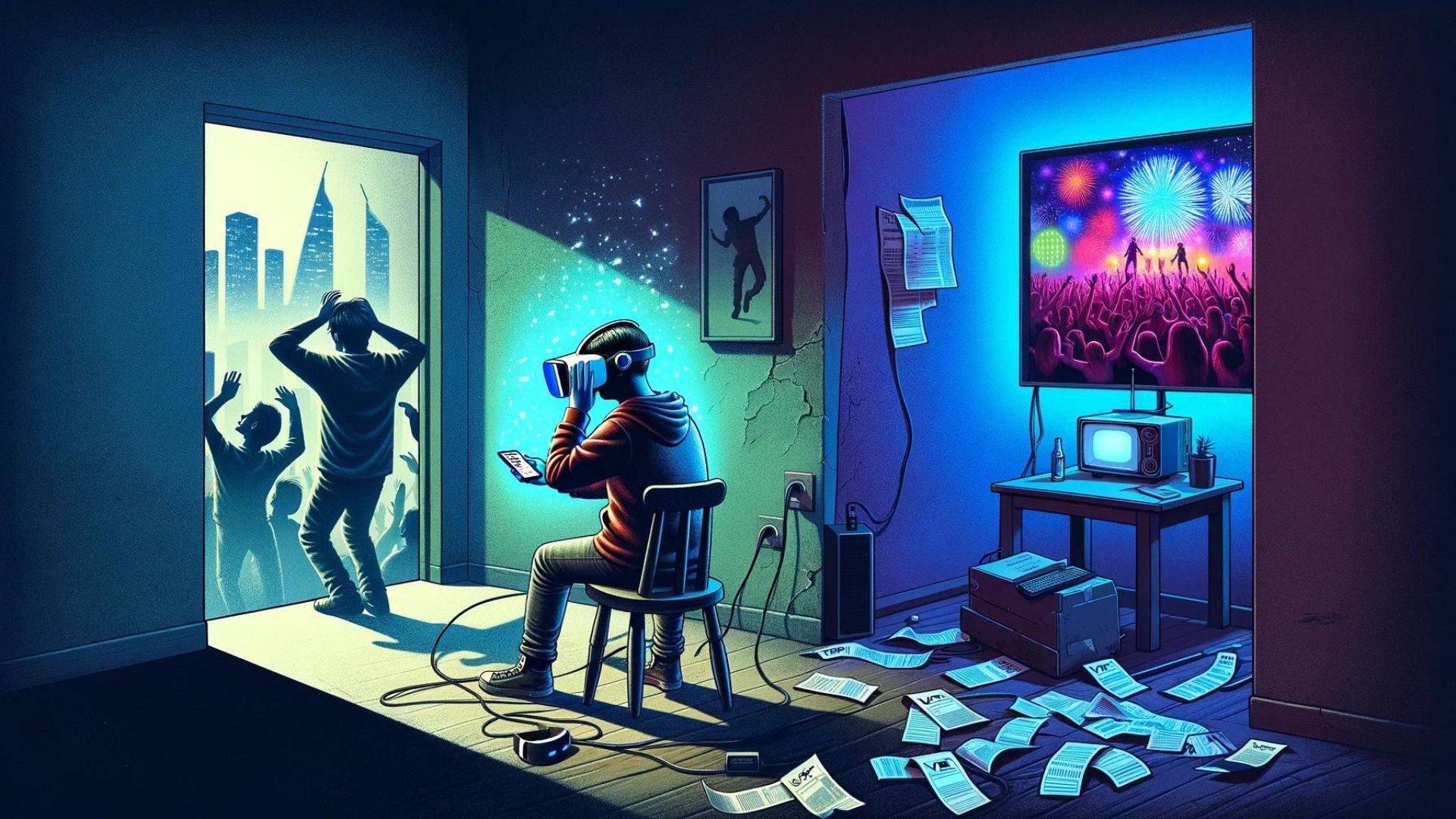
However, alongside these advantages, VR also poses significant challenges and potential drawbacks. Health concerns, such as motion sickness and eye strain, can detract from the immersive experience and limit the duration of VR sessions. Moreover, the psychological impact of prolonged immersion in virtual environments raises questions about its effects on mental health, particularly regarding disconnection from reality and social isolation. This is especially pertinent as VR technologies become more advanced and accessible, potentially blurring the boundaries between virtual and real-life interactions.
Accessibility and affordability remain key barriers to widespread adoption. While VR technology continues to evolve, high costs associated with hardware and software can prohibit access for many individuals and institutions, perpetuating digital inequalities. Additionally, ethical considerations surrounding data privacy, surveillance, and addiction require careful attention to ensure that VR experiences prioritize user safety, autonomy, and well-being.
While virtual reality offers unparalleled opportunities for education, training, empathy-building, and entertainment, its full potential can only be realized through thoughtful consideration of its challenges and ethical implications. By addressing concerns such as health impacts, accessibility, and ethical guidelines, we can harness the transformative power of VR to create inclusive, enriching experiences that benefit individuals and society as a whole.
Applications of Virtual Reality.
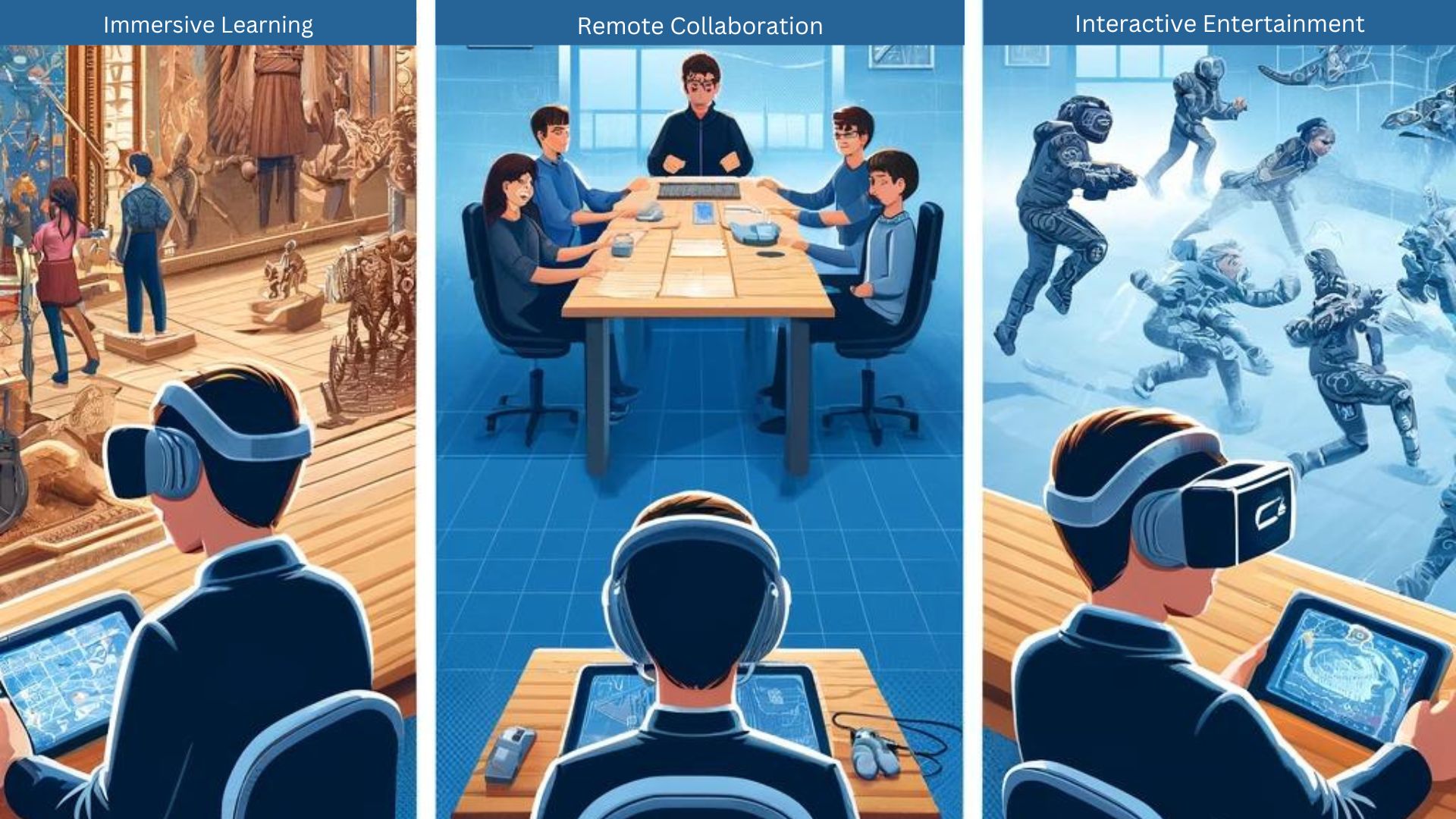
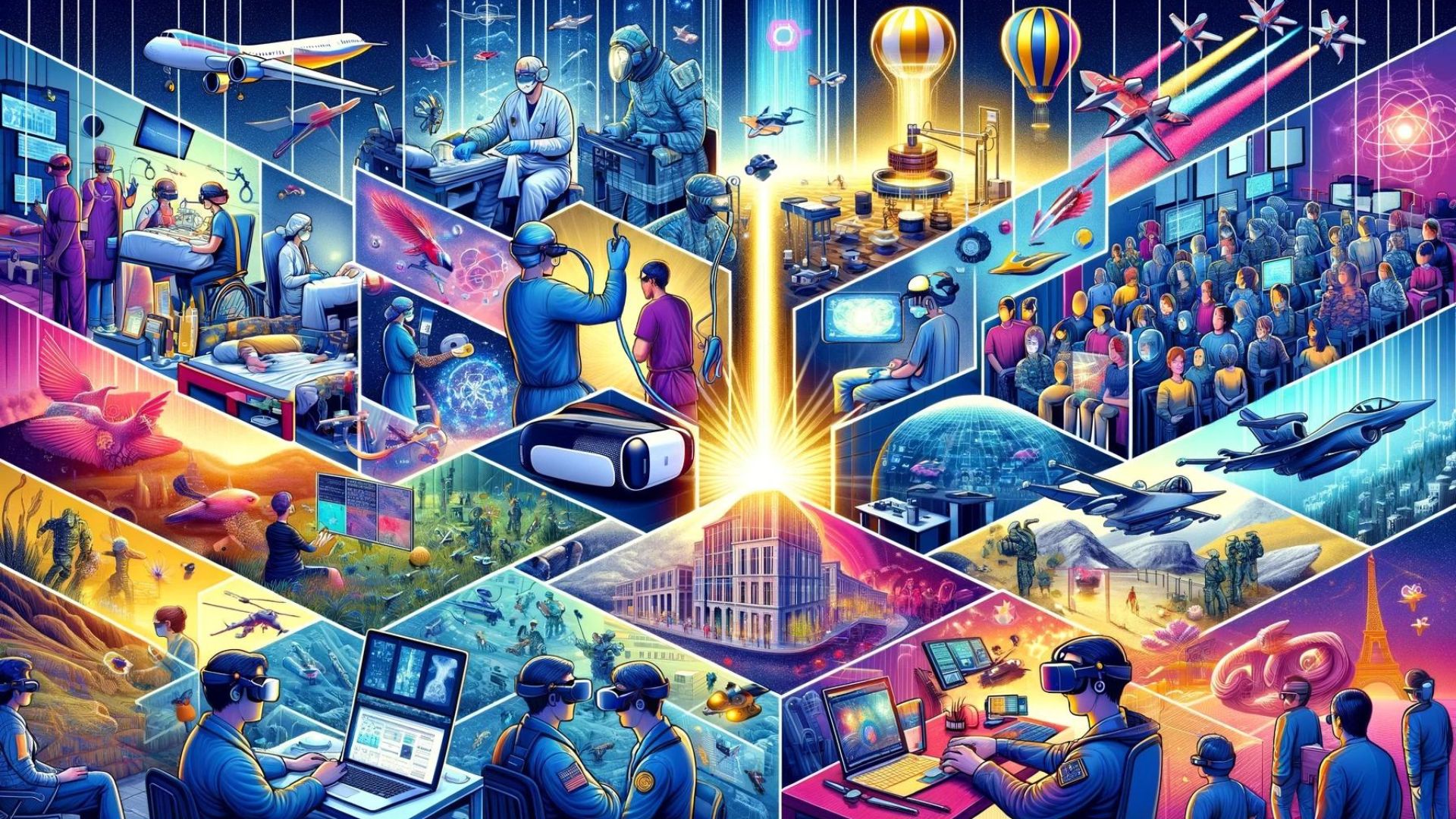
Virtual reality (VR) applications span a diverse array of fields, revolutionizing how we interact with digital and physical environments. In education, VR provides immersive learning experiences, enabling students to explore historical sites, perform virtual dissections in biology classes, and engage in interactive science experiments. This technology makes abstract concepts tangible and accessible, enhancing comprehension and retention. In the medical field, VR is used for surgical training, allowing surgeons to practice complex procedures in a risk-free environment. It also aids in therapy for conditions like PTSD, phobias, and anxiety, offering controlled and safe exposure therapy sessions. Furthermore, VR helps in pain management by diverting patients' attention during painful procedures through immersive distraction techniques.
In the realm of architecture and construction, VR enables architects and engineers to visualize and interact with 3D models of their designs before actual construction begins. This not only aids in detecting potential issues early on but also allows clients to experience the space in a realistic manner, providing valuable feedback. The real estate industry benefits from VR through virtual tours, enabling potential buyers to explore properties remotely, saving time and resources.
The entertainment and gaming industries are among the most prominent adopters of VR. VR games offer highly immersive experiences where players can interact with virtual worlds in unprecedented ways. Beyond gaming, VR is used in virtual concerts, art exhibits, and theme park attractions, creating engaging and interactive entertainment experiences.
In the business sector, VR is utilized for virtual meetings and collaboration, enabling remote teams to work together in a shared virtual space, which enhances communication and teamwork. Retail companies use VR to create virtual shopping experiences, allowing customers to try on clothes or view products in a simulated environment. Additionally, in the field of training and simulation, VR is employed by industries such as aviation, military, and manufacturing to provide realistic training scenarios that improve skills and preparedness without the risks and costs associated with real-world training.
VR applications are transforming numerous fields by providing immersive, interactive, and practical solutions that enhance learning, training, design, entertainment, and remote collaboration. The versatility of VR continues to drive innovation, paving the way for future developments and wider adoption.
The Future of Virtual Reality.
In the realm of entertainment, the future of virtual reality (VR) holds the potential for unparalleled immersion and engagement. As VR hardware continues to evolve, with advancements in display technology and graphics rendering, users will be able to step into virtual worlds that are indistinguishable from reality. From gaming experiences that blur the line between the digital and physical realms to cinematic adventures where viewers are active participants within the narrative, the entertainment landscape is primed for a VR revolution. Furthermore, the integration of artificial intelligence (AI) and machine learning algorithms will enable personalized content creation and dynamic storytelling, tailoring experiences to individual preferences and behaviors in real-time.
Education stands to benefit immensely from the widespread adoption of VR technology. Imagine students embarking on virtual field trips to historical landmarks or distant planets, experiencing firsthand the wonders of science, history, and culture. In medical training, VR simulations offer a risk-free environment for practicing complex procedures, enhancing skills and confidence among aspiring healthcare professionals. Similarly, VR-based therapy holds promise for treating phobias, post-traumatic stress disorder (PTSD), and other mental health conditions by providing immersive environments for exposure therapy and relaxation techniques.
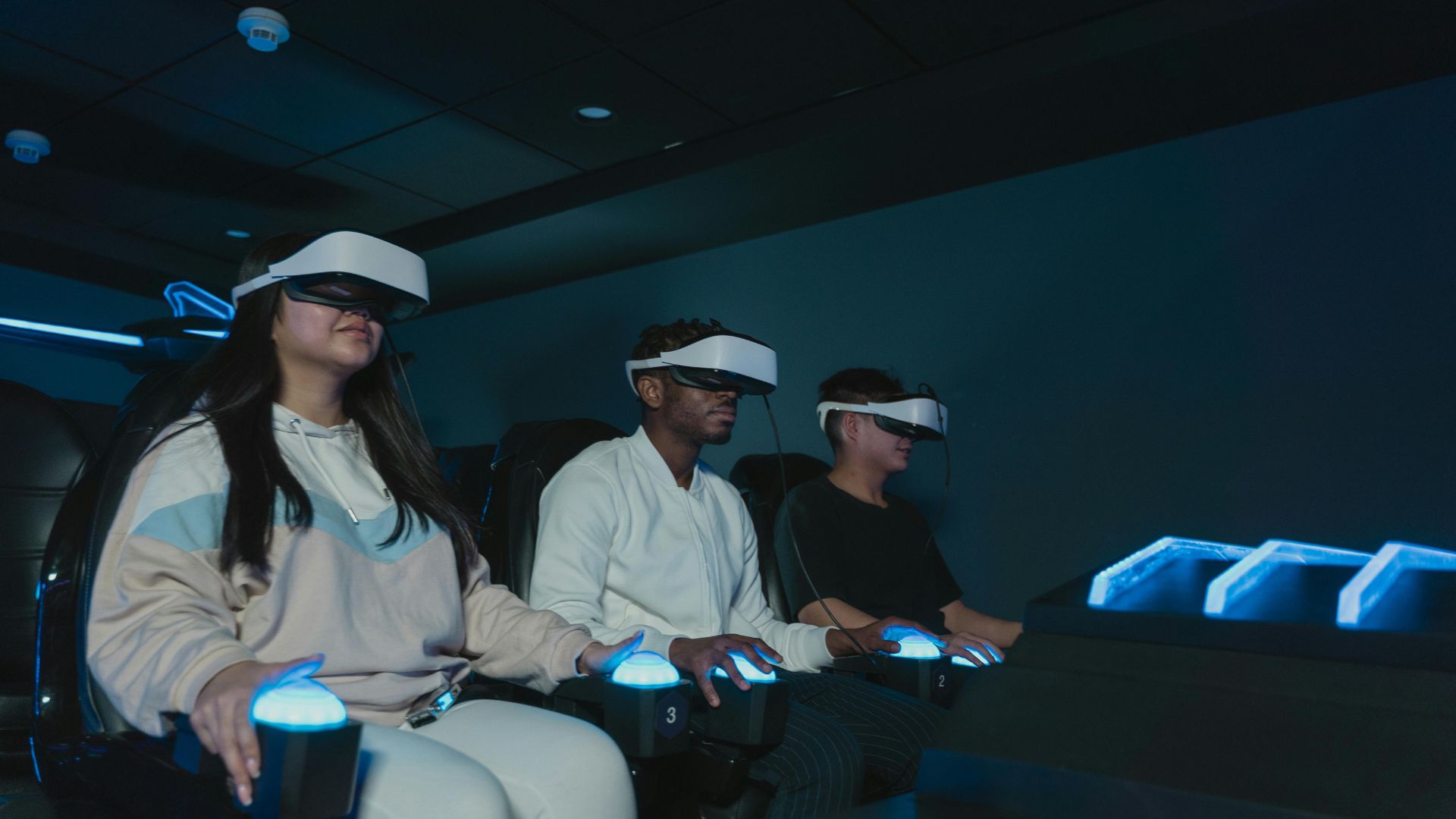
Moreover, the potential for VR extends beyond entertainment and education into industries such as architecture, engineering, and manufacturing. Architects can walk clients through virtual models of buildings before they're constructed, allowing for real-time adjustments and feedback. Engineers can simulate and test prototypes in virtu
al environments, reducing costs and time-to-market for new products. In manufacturing, VR-powered training programs enhance worker safety and efficiency by providing realistic simulations of hazardous scenarios and equipment operation.
Social VR platforms are poised to revolutionize the way we connect and communicate in the digital age. Virtual meetings and conferences will become commonplace, offering a sense of presence and interaction that traditional video calls cannot replicate. Virtual worlds will serve as meeting places for friends, families, and colleagues, enabling shared experiences and collaborations regardless of geographical distances. However, as we embrace the potential of VR, we must also address ethical and societal considerations, including issues of privacy, data security, and digital inequality.
The future of virtual reality is brimming with possibilities, offering transformative experiences across multiple domains. While technological advancements continue to drive innovation in VR hardware and software, it's essential to approach its development and implementation thoughtfully, with a focus on creating inclusive, safe, and ethically responsible experiences for all users. As VR becomes more integrated into our daily lives, it has the potential to redefine how we interact with technology, each other, and the world around us.
In contemplating the multifaceted journey of virtual reality (VR), one can't help but marvel at the intricate tapestry of innovation and imagination that has woven its way through history. From its nascent roots in the imaginative landscapes of science fiction to the tangible advancements of modern technology, VR has undergone a remarkable evolution. The underlying mechanics of VR, rooted in the intricate interplay of input devices, computing power, and output devices, reveal a symphony of technological prowess aimed at creating immersive digital experiences. This fusion of hardware and software is not merely a feat of engineering but a testament to humanity's relentless pursuit of pushing the boundaries of possibility.
As we delve deeper into the applications of VR, we witness its transformative potential across a myriad of domains. In the realm of entertainment, VR transcends mere escapism, offering an unprecedented level of immersion that blurs the lines between the digital and physical worlds. Educational institutions and industries alike have embraced VR as a powerful tool for learning and training, enabling hands-on experiences that were once confined to the realms of imagination. From simulating surgical procedures to exploring distant planets, VR empowers users to transcend spatial and temporal constraints, fostering discovery and understanding in ways previously unimaginable.
Looking towards the horizon, the future of VR shimmers with promise and possibility. Advancements in hardware, marked by sleeker, more ergonomic designs and cutting-edge display technologies, promise to elevate the immersive experience to new heights. Meanwhile, the ever-expanding landscape of software development, fueled by innovations in artificial intelligence and virtual reality social platforms, holds the key to unlocking new realms of collaborative creation and exploration. However, as we navigate this brave new world of virtual reality, we must tread carefully, mindful of the ethical considerations that accompany such transformative technologies. Ensuring that VR remains accessible, inclusive, and ethically responsible requires a concerted effort to address issues of privacy, safety, and digital equity.
The story of virtual reality is one of innovation, exploration, and boundless potential. As we stand on the precipice of a new era in immersive computing, it is our collective responsibility to steward the evolution of VR with wisdom and foresight, harnessing its transformative power to enrich lives, expand horizons, and shape a future where the boundaries of reality are limited only by the bounds of our imagination.
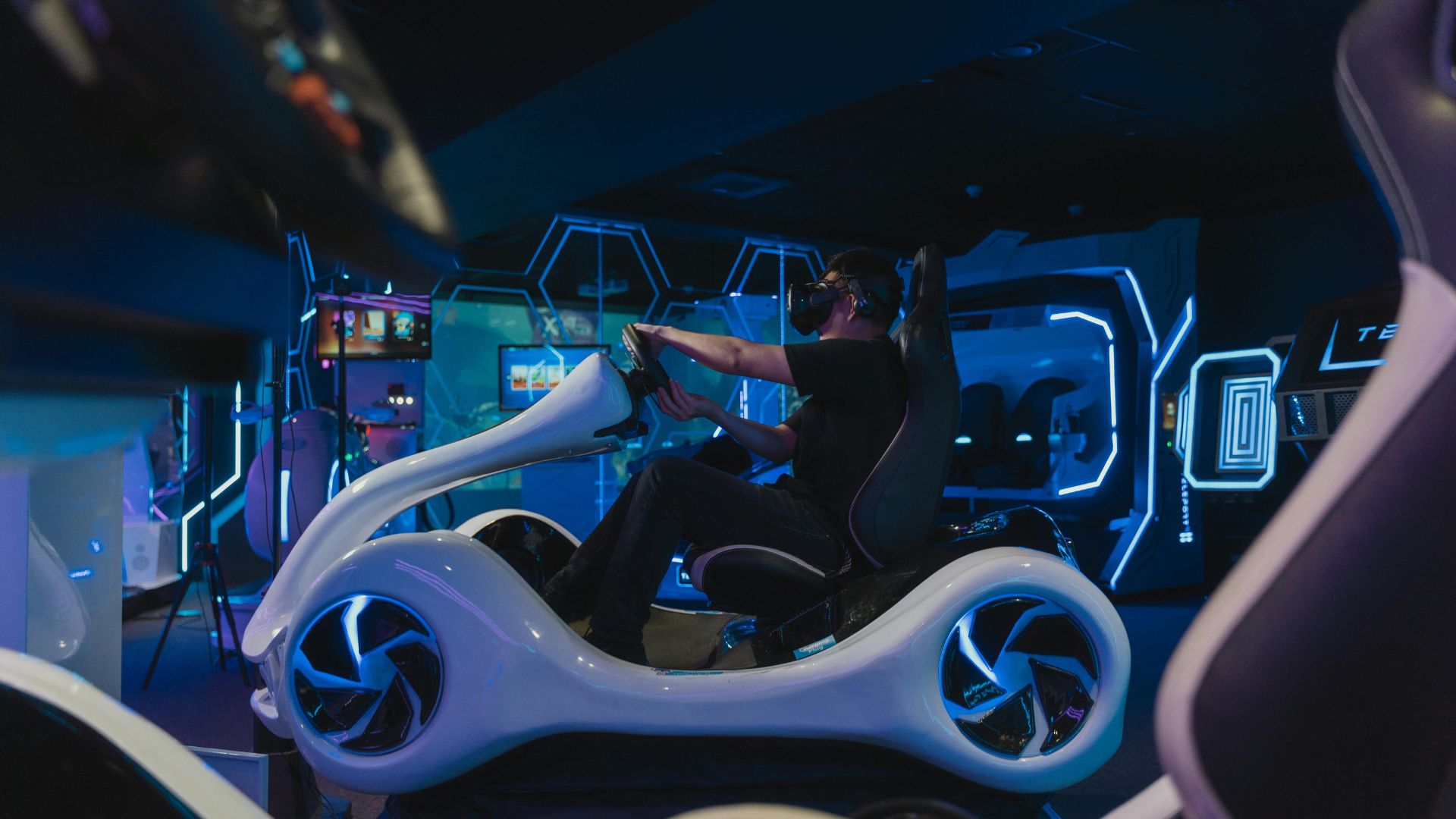
A person wearing a VR headset while experiencing the exhilarating twists and turns of a simulator motorcycle.
Author: Elisha Roodt
Sharing the best of Virtual Reality Durban with local VR experiences, events, and immersive tech insights from Durban and KwaZulu-Natal.