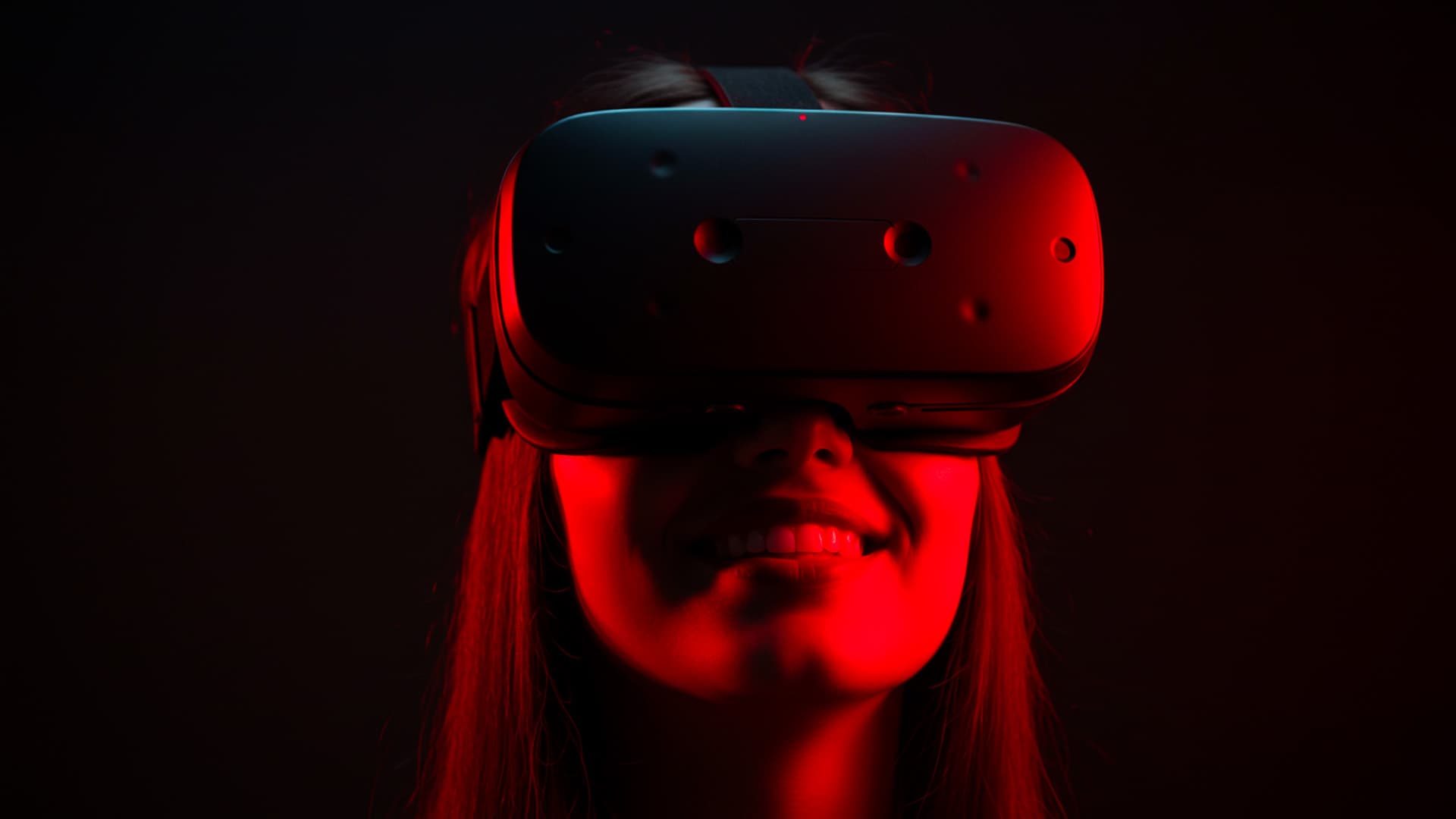
Will We Ever Reach Full-Dive VR?
Full-dive VR, offering complete immersion by directly connecting the brain to virtual environments, remains a distant goal. Current technologies, such as brain-computer interfaces (BCIs), are in early stages, primarily enabling simple interactions like cursor control. Experts predict that achieving full-dive VR could take several decades, if it's possible at all. Significant advancements in neuroscience, computing power, and safety protocols are essential before such immersive experiences become a reality.
A Journey Through Sci-Fi Dreams and Real-World Innovations
The pursuit of full-dive virtual reality has captivated imaginations for decades, igniting debates among technologists, futurists, and storytellers alike. This exploration melds the visionary narratives of science fiction with the relentless progress of modern engineering, examining both the allure of immersive escapism and the tangible challenges of replicating sensory reality. As historical milestones reveal how humanity has continuously bridged dreams with technology, this narrative invites readers to consider whether our future holds a seamless integration of mind and machine. The discussion navigates technological breakthroughs, cultural influences, and ethical dilemmas with an engaging, technical yet conversational tone.
The Sci-Fi Vision: Beyond Virtual Boundaries
Imagining the Infinite: Fictional Full-Dive Realities
Science fiction has long painted vivid portraits of immersive virtual worlds where the human mind can explore uncharted realms without physical constraints. In many iconic narratives, characters escape into digital paradises that blur the line between existence and illusion, challenging our perceptions of reality. These imagined universes serve as both cautionary tales and aspirational blueprints, inspiring technologists to pursue systems that replicate such depth of sensory engagement. The allure of these fictional realms remains potent, sparking debates on the limits of consciousness and the ethical ramifications of total immersion.
Such speculative portrayals have transformed the public discourse around digital identity and existence. Authors and filmmakers craft scenarios where full-dive VR becomes a medium for self-discovery and infinite exploration, enticing audiences with the promise of limitless experiences. The narratives intricately weave together elements of philosophy, psychology, and futuristic technology to create immersive worlds that resonate deeply with our innate desire for escape. These imaginative endeavors continue to influence technological ambitions, encouraging a reevaluation of what it means to experience reality in its fullest form.
Cultural Impact: Shaping Perceptions Through Stories
The cultural resonance of full-dive VR narratives has altered how society perceives technology and its potential to redefine human experience. Iconic films and novels have cast full immersion as a transformative frontier, a domain where creativity intersects with scientific possibility. These stories not only entertain but also provoke critical thinking about identity, freedom, and the nature of consciousness in a digital age. By drawing on shared myths and futuristic visions, storytellers have cultivated a cultural zeitgeist that both celebrates and questions the promise of technological transcendence.
In weaving together folklore and futuristic speculation, these narratives invite audiences to reimagine everyday existence. The blending of digital landscapes with human emotion has fostered a collective curiosity about the boundaries of virtual experiences. As the media continuously revisits themes of escapism and alternate realities, public interest in the ethical and philosophical dimensions of immersive technology intensifies. This interplay between cultural storytelling and technological aspiration underscores the societal implications of achieving true virtual immersion, influencing both consumer expectations and research directions.
Technological Inspirations: Narratives that Paved the Way
Fictional accounts of full-dive VR have frequently served as catalysts for technological innovation, inspiring engineers and scientists to pursue breakthroughs that echo the imaginative scenarios of popular culture. Visionary tales set the stage for ambitious projects, propelling research into neural interfaces and advanced sensory systems. These narratives function as intellectual laboratories, where hypothetical challenges are explored and solved long before they become technical imperatives. The synergy between narrative imagination and scientific pursuit illustrates how storytelling can accelerate the development of immersive technologies.
The interplay between artistic vision and technical progress has created a feedback loop where each inspires the other. As inventive plots introduce unconventional ideas about sensory experiences, researchers are motivated to transform these concepts into experimental prototypes and practical applications. This cross-pollination of disciplines nurtures a rich environment for innovation, blending creative speculation with empirical science. The legacy of science fiction as a muse for modern technology is evident in ongoing efforts to integrate neural feedback with virtual reality, reflecting a profound, shared aspiration to transcend physical boundaries.

Historical Milestones: The Evolution of Immersive Tech
From Analog Dreams to Digital Realities
The journey from early analog experiments to modern digital innovations illustrates a gradual yet relentless evolution in immersive technology. Early pioneers envisioned machines that could simulate alternative realities, sparking dreams of interactive worlds that existed solely in the realm of thought. These analog visions laid the groundwork for digital breakthroughs, as engineers began to explore the mechanics of sensory manipulation and computer-generated environments. Over time, incremental advancements have transformed tentative experiments into sophisticated prototypes that challenge the limitations of human perception.
This evolutionary trajectory underscores the iterative nature of technological progress, where each milestone builds upon previous discoveries. The transition from rudimentary electronic interfaces to complex, immersive systems highlights an enduring commitment to refining the user experience. Historical experiments in virtual simulation have contributed invaluable lessons, guiding modern researchers as they confront new challenges in replicating sensory input. The legacy of these early endeavors remains etched in every breakthrough, symbolizing humanity’s enduring quest to bridge the gap between dreams and tangible experience.
Pioneering Breakthroughs in Virtual Interfaces
Landmark innovations in virtual interfaces have continuously redefined our understanding of immersive technology, marking significant steps toward full-dive experiences. Early breakthroughs in computer graphics and motion tracking revolutionized the gaming and simulation industries, providing glimpses into alternate realities. These pioneering achievements set a precedent for integrating human input with digital environments, proving that complex sensory feedback could be engineered and refined. As these systems matured, they inspired a generation of researchers to explore increasingly ambitious concepts in human-computer interaction.
The evolution of virtual interfaces reflects a blend of art and engineering, where the pursuit of realistic immersion has driven diverse advancements. From rudimentary headsets to sophisticated motion-capture suits, each technological leap has brought users closer to experiencing fully interactive digital realms. The research underpinning these innovations often intersects with cognitive science and biomechanics, underscoring the multidisciplinary nature of immersive technology. As developers continue to push the envelope, the pioneering breakthroughs in virtual interfaces serve as both a historical reference and a beacon for future innovation.
The Transition: Gaming and Simulation to VR
The metamorphosis from early gaming systems and simulation tools to the modern VR landscape represents a transformative shift in how technology engages with human senses. Initial applications in gaming and military simulations provided the first interactive, albeit limited, forays into immersive digital environments. These systems, though primitive by today’s standards, demonstrated the potential of interactive experiences to captivate users. Over time, advancements in computing power and graphical fidelity have evolved these early prototypes into sophisticated virtual reality systems that offer rich, sensory-driven experiences.
This transitional phase highlights the dynamic interplay between entertainment, research, and practical application. As gaming became a mainstream phenomenon, the demand for more immersive experiences spurred rapid technological refinement. Simulation technologies gradually incorporated more realistic sensory inputs, bridging the gap between digital constructs and natural perception. The trajectory of this transition illustrates the evolution from novelty to necessity, reflecting a broader cultural shift towards valuing experiences that blur the line between the virtual and the tangible. The progress made in this era continues to shape modern approaches to immersive technology development.
Real-World Technology: Current Limits and Breakthroughs
Hardware Hurdles: The Quest for Sensory Fidelity
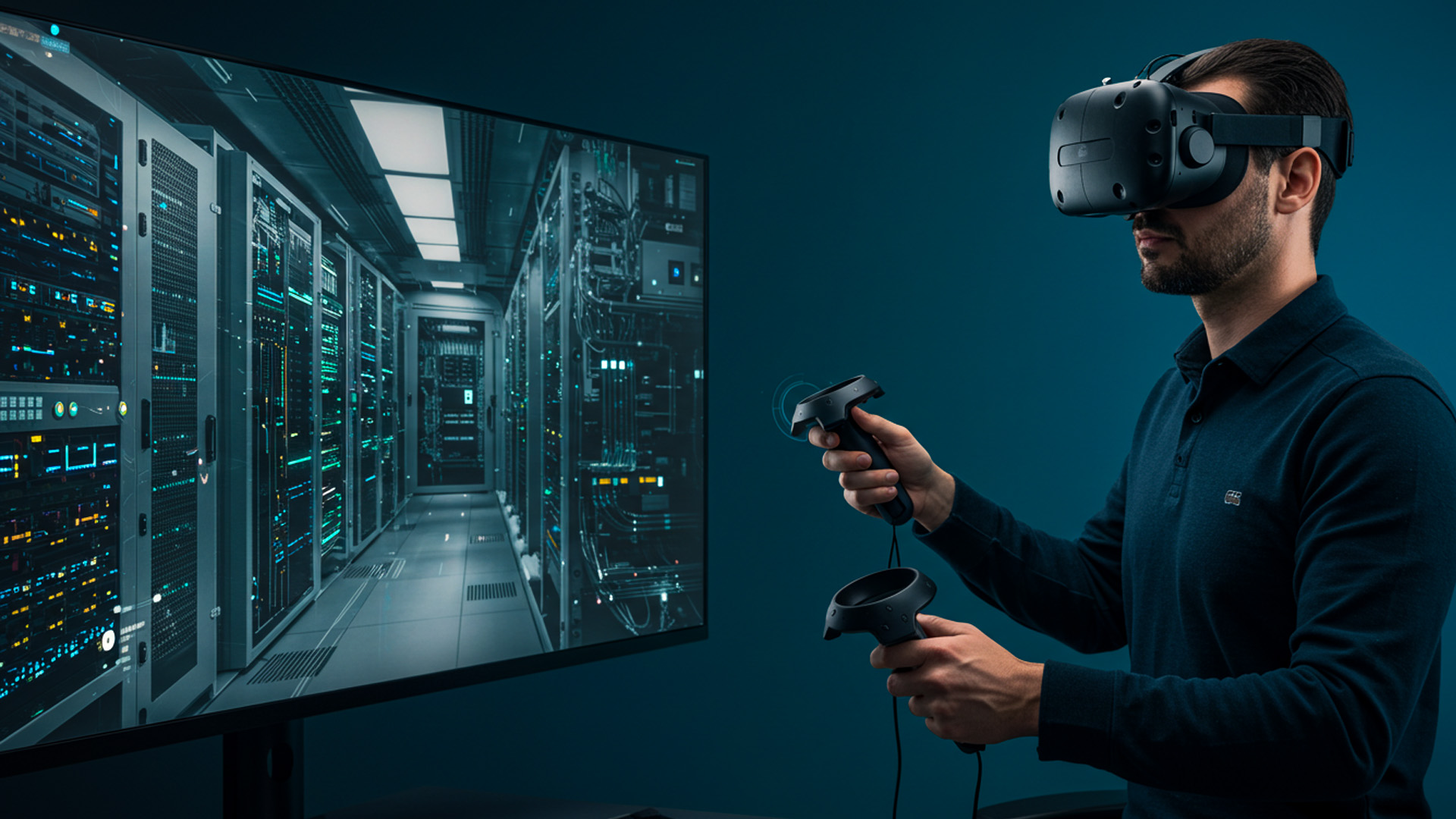
Modern virtual reality systems face significant hardware challenges in replicating the full spectrum of human sensory input. Engineers strive to design devices that can accurately mirror tactile sensations, auditory cues, and visual depth, yet technical limitations persist. Current headsets and haptic devices offer impressive, albeit imperfect, simulations of reality, with latency and resolution issues frequently hampering the experience. The quest for enhanced sensory fidelity has led to incremental innovations, although the complexity of neural interfacing remains a formidable barrier to true full-dive VR.
Efforts to overcome these hardware hurdles involve interdisciplinary research and state-of-the-art manufacturing techniques. Emerging materials and micro-scale actuators promise to bridge gaps in tactile and proprioceptive feedback, but integrating these components into a seamless system presents substantial engineering challenges. As researchers experiment with brain-computer interfaces and advanced sensor arrays, each breakthrough builds on a legacy of trial and error. While the vision of complete sensory immersion continues to drive innovation, current technological constraints remind us that the pathway to full-dive VR is as much about refining existing systems as it is about pioneering entirely new paradigms of interaction.
Software Innovations: Creating Lifelike Environments
Software breakthroughs are central to transforming raw hardware capabilities into immersive experiences that resonate with users on a visceral level. Developers employ complex algorithms, artificial intelligence, and procedural generation to create virtual environments that mirror the intricacies of the natural world. These digital landscapes are not merely static backdrops but dynamic ecosystems that respond fluidly to user input. Innovations in rendering techniques and real-time simulation have dramatically improved the realism and responsiveness of virtual environments, offering a glimpse into the potential of full-dive systems.
The evolution of immersive software has been driven by both creative ambition and technical ingenuity. Detailed physics engines, adaptive AI characters, and realistic environmental interactions contribute to an experience that feels tangibly authentic. The challenge lies in synchronizing these sophisticated software components with hardware systems that are still catching up in terms of sensory fidelity. As developers continue to refine code and optimize performance, the dream of a fully immersive, life-like digital reality becomes increasingly tangible. The strides made in software innovation illuminate the path forward, signaling that a new era of experiential technology may be on the horizon.
Interdisciplinary Convergence: Neuroscience Meets VR
A promising frontier in the journey toward full-dive VR lies at the intersection of neuroscience and digital technology. Researchers are exploring how direct neural interfacing can enhance the fidelity of virtual experiences, potentially bypassing traditional hardware limitations. By leveraging insights from cognitive science and neurobiology, innovators aim to develop systems that communicate directly with the brain’s sensory centers. This interdisciplinary approach not only promises to refine sensory input but also opens avenues for personalized and adaptive virtual experiences that respond to the user’s mental state.
Collaborative efforts between neuroscientists, engineers, and software developers are accelerating progress toward immersive systems that could one day achieve full-dive realism. Cutting-edge studies in brain mapping and neural stimulation are providing critical insights into how the human mind perceives and processes complex stimuli. These research endeavors are paving the way for technologies that might eventually create a seamless interface between thought and digital environment. As the convergence of these disciplines deepens, the potential for breakthroughs that revolutionize virtual immersion grows ever more promising, heralding a future where digital and biological realms intertwine.
Future Horizons: Merging Imagination with Reality
Speculative Scenarios: When Science Meets Fantasy
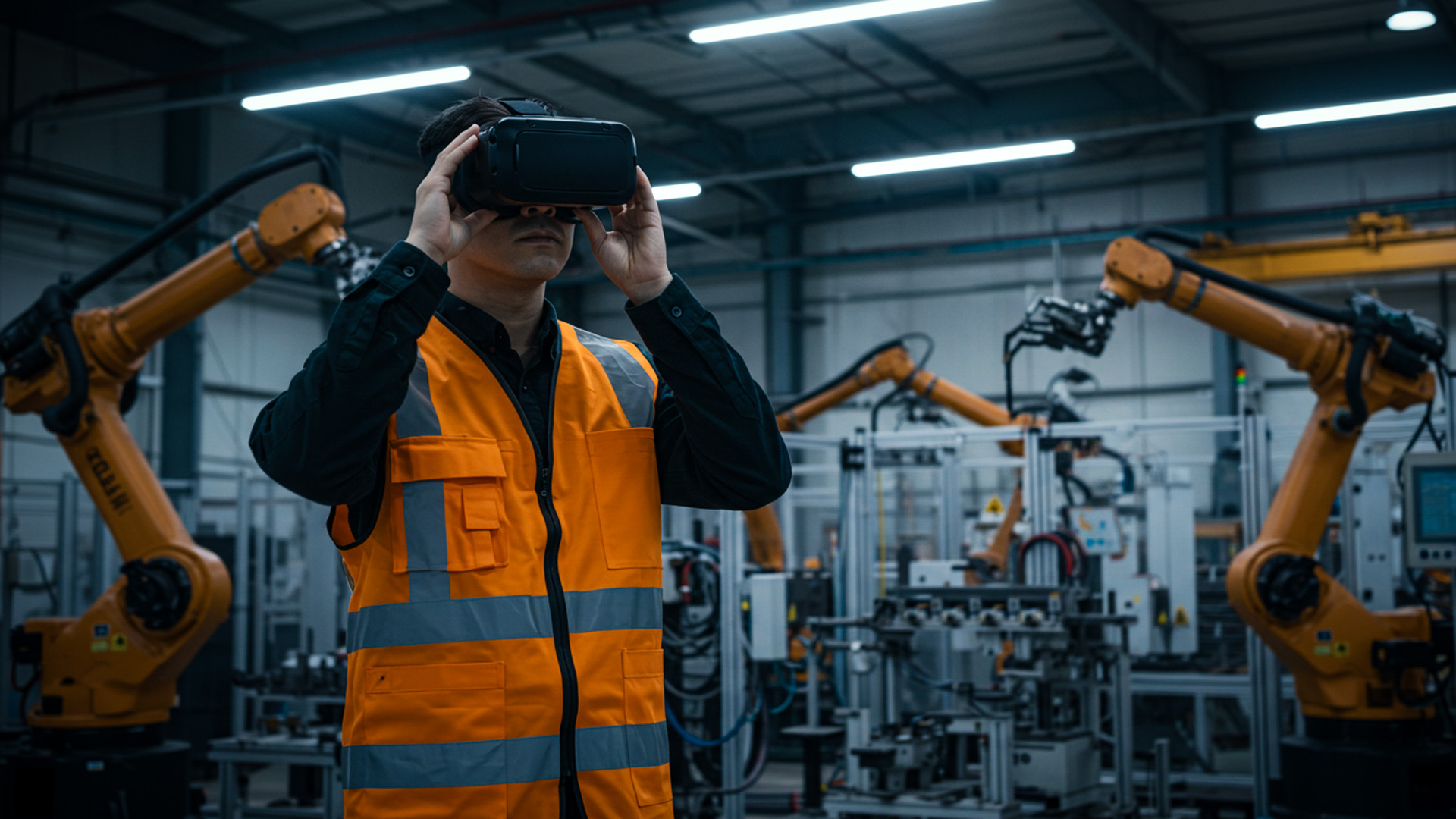
Speculative scenarios offer fertile ground for envisioning a future where full-dive VR transcends current limitations, blending scientific innovation with imaginative foresight. Thought experiments and futuristic narratives serve as conceptual laboratories where the laws of physics and perception are reimagined. In these scenarios, human consciousness can traverse elaborate digital realms, free from the constraints of physical reality. The interplay between rigorous scientific theory and creative speculation fosters an environment ripe for breakthrough ideas, challenging traditional boundaries and prompting radical rethinking of human experience.
These imaginative constructs not only entertain but also inform emerging technologies by presenting alternative paradigms of interaction. Visionaries contemplate worlds where the line between virtual and physical dissolves, prompting engineers to consider new modalities for sensory integration and neural feedback. The speculative realm acts as a crucible for experimental ideas, where seemingly fantastical notions gradually transform into viable technical challenges. As theoretical models inspire practical research, the dialogue between fantasy and science continues to propel the evolution of immersive technologies, laying the conceptual groundwork for tomorrow’s full-dive experiences.
Ethical Considerations: The Balance of Immersion and Reality
The pursuit of full-dive virtual reality inevitably raises profound ethical questions, particularly regarding the balance between immersive escapism and the preservation of tangible human experiences. As virtual realms become more intricate and engaging, society must confront concerns about addiction, identity, and the potential erosion of interpersonal connections. Scholars, ethicists, and technologists debate the long-term implications of allowing digital immersion to supplant genuine human interaction. Balancing innovation with responsible use requires a thoughtful approach, as the allure of complete immersion may mask unforeseen consequences on mental health and social structures.
In examining these ethical dimensions, stakeholders are urged to consider the broader impacts of technology on society. Robust frameworks for digital well-being and regulatory oversight are essential to mitigate risks while still fostering technological advancement. Ethical deliberations must extend beyond technical performance to address how immersive systems affect individual autonomy and collective culture. By integrating ethical considerations into the developmental roadmap, innovators can strive to create systems that enrich human experience without compromising the foundational elements of reality. The dialogue between technological possibility and moral responsibility remains central to this evolving field.
The Road Ahead: Bridging Gaps in Full-Dive Technology
Charting the future of full-dive VR involves navigating both uncharted technological territories and the complex terrain of human consciousness. Engineers and researchers continue to refine neural interfaces and sensor technologies, aiming to bridge the existing gaps between digital simulation and genuine sensory perception. The journey ahead is marked by incremental advances and disruptive breakthroughs alike, as each new innovation redefines what is possible in virtual immersion. Strategic investments in research and interdisciplinary collaboration are critical to overcoming current limitations and setting the stage for revolutionary progress.
Looking forward, the convergence of emerging technologies promises to transform speculative dreams into tangible realities. As developers harness the combined potential of artificial intelligence, neuroscience, and advanced computing, the prospect of seamless, full-dive experiences becomes increasingly attainable. While challenges remain in perfecting sensory integration and achieving scalable solutions, the roadmap is illuminated by a steady stream of innovation and visionary research. The commitment to merging imagination with rigorous science paves the way for a future where digital and physical boundaries are redefined, forging a new era of immersive experience.
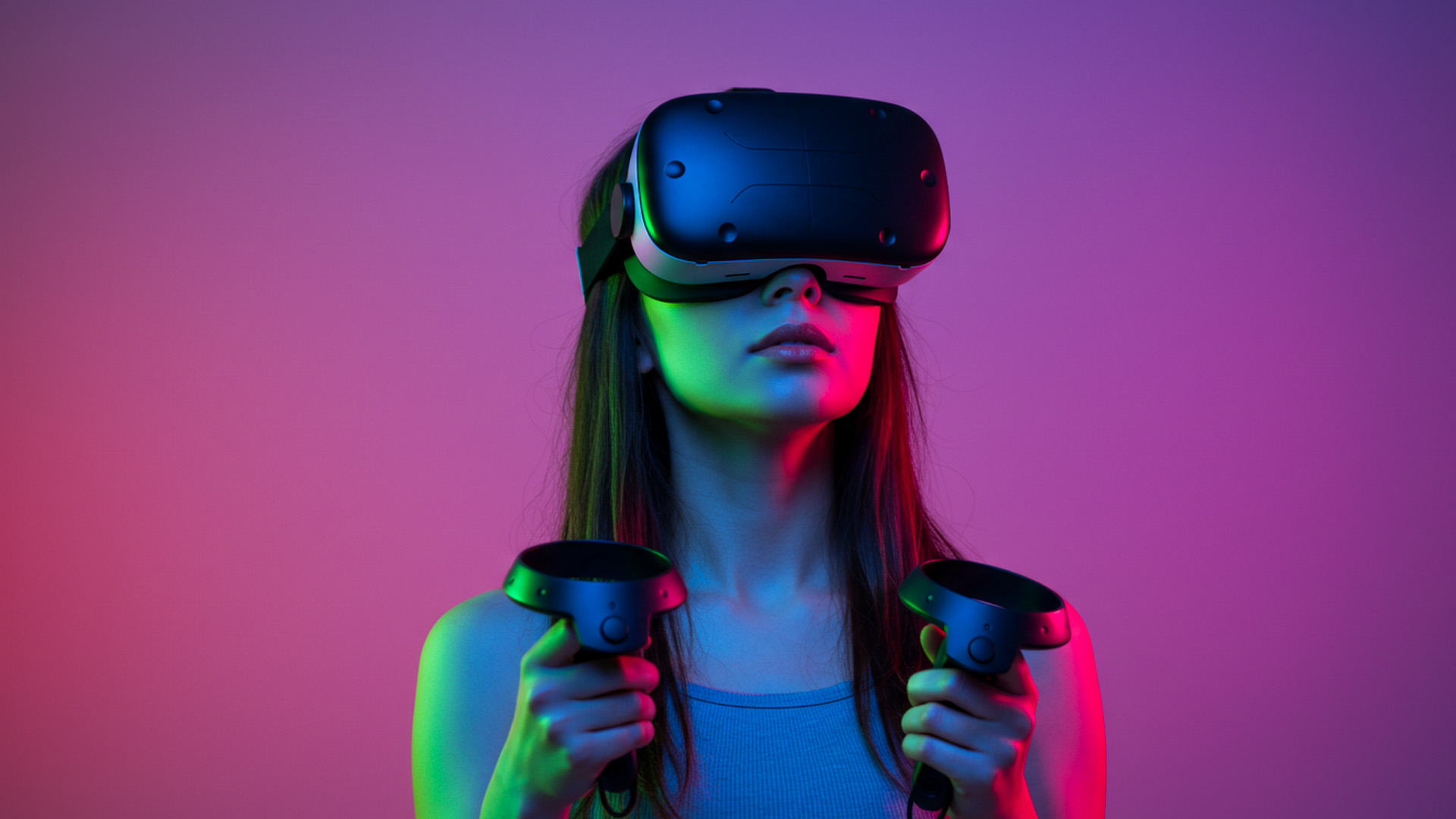
Merging Imagination With Reality
Author: Elisha Roodt
Sharing the best of Virtual Reality Durban with local VR experiences, events, and immersive tech insights from Durban and KwaZulu-Natal.