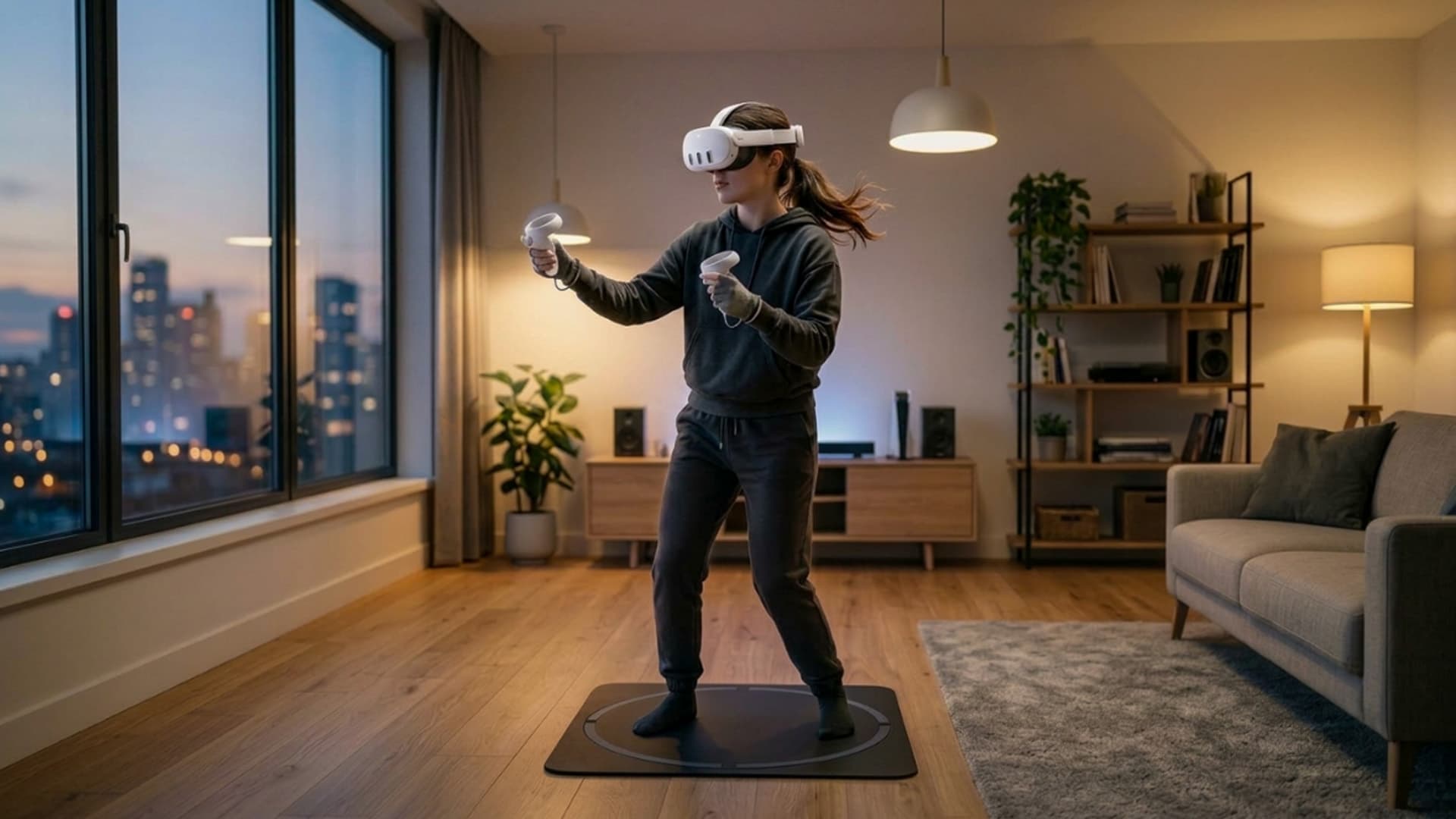
How Virtual Reality Is Reshaping Modern Digital Experiences
Discover how virtual reality is transforming entertainment, education, business, training, healthcare, and immersive digital interaction across modern industries.
How Virtual Reality Is Reshaping Modern Digital Experiences
Virtual reality has evolved from a futuristic concept into one of the most powerful digital technologies available today. Businesses, educators, healthcare providers, architects, entertainment companies, and technology innovators are rapidly adopting VR to create immersive experiences that traditional media simply cannot deliver.
Unlike conventional digital content viewed on flat screens, virtual reality places users inside fully interactive digital environments. This creates a strong sense of presence, allowing users to feel as though they are physically part of the experience rather than simply observing it.
As VR technology continues improving, industries around the world are discovering new ways to use immersive experiences for communication, education, marketing, simulation, training, and entertainment.
Understanding Virtual Reality Technology
Virtual reality is a computer-generated simulation that allows users to experience interactive digital environments through specialized hardware such as VR headsets, motion controllers, tracking systems, and spatial audio devices.
When users wear a VR headset, the display surrounds their field of vision, creating the illusion of being inside another environment. Advanced tracking technology monitors head and body movement in real time, making interactions feel natural and responsive.
Modern VR systems are capable of producing highly realistic visuals, accurate spatial sound, and smooth motion tracking that together create deeply immersive experiences.
How VR Creates Immersion
Immersion is one of the most important aspects of virtual reality. Unlike watching a video or viewing images on a screen, VR removes outside distractions and places users directly inside the digital environment.
This immersion is achieved through several technologies working together:
- Wide field-of-view displays
- Real-time motion tracking
- Spatial audio positioning
- Interactive environments
- High refresh rate visuals
- Hand and gesture tracking
These technologies help create experiences that feel realistic and emotionally engaging.
The Growth of Consumer VR
Consumer VR adoption has increased significantly over the past few years. More affordable headsets, improved graphics, wireless capabilities, and growing content libraries have made VR accessible to wider audiences.
Modern VR devices are now used not only for gaming but also for social interaction, education, productivity, fitness, virtual events, and business collaboration.
Virtual Reality in Entertainment and Gaming
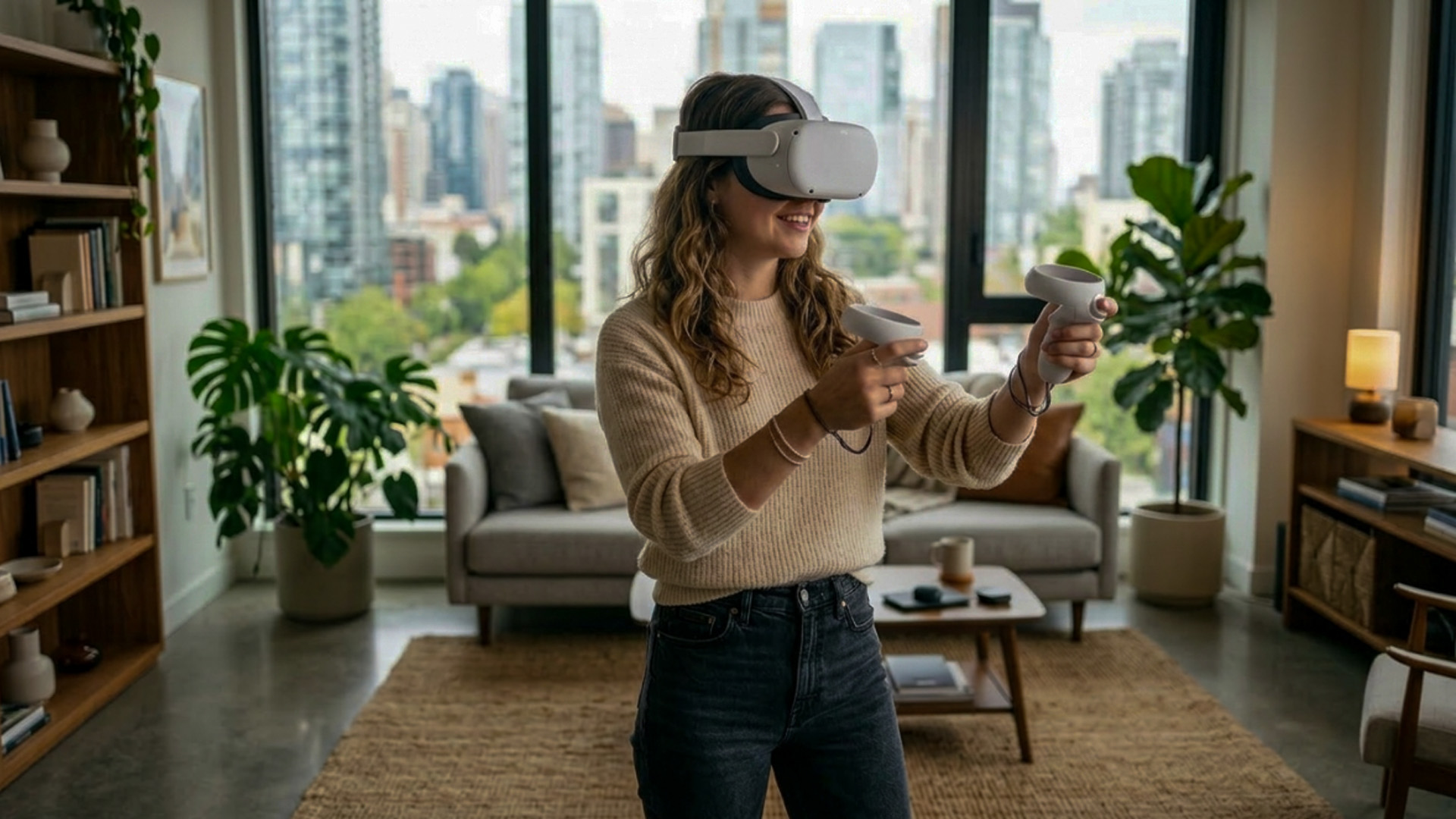
Entertainment remains one of the largest industries driving virtual reality innovation. VR gaming has transformed how players interact with digital worlds by creating immersive first-person experiences that feel physically engaging.
Instead of controlling a character from outside the environment, users become part of the experience itself.
Immersive Gaming Experiences
Virtual reality gaming allows players to physically move, interact with objects, and engage naturally with digital environments.
This level of immersion creates stronger emotional engagement and more memorable gameplay experiences.
Developers are now building VR games that include:
- Full-body interaction
- Realistic physics systems
- Multiplayer virtual worlds
- Spatial audio environments
- Motion-controlled gameplay
- Interactive storytelling
These experiences continue pushing the boundaries of digital entertainment.
Virtual Concerts and Events
VR is also changing how audiences experience live entertainment. Virtual concerts, sporting events, and interactive performances allow users to participate remotely while still feeling connected to the event environment.
Users can explore virtual venues, interact socially with others, and experience performances from unique perspectives.
Cinematic VR Storytelling
Filmmakers and content creators are using VR to produce immersive storytelling experiences where viewers are placed inside the narrative.
This approach creates a much deeper emotional connection compared to traditional video formats.
Virtual Reality in Education and Training
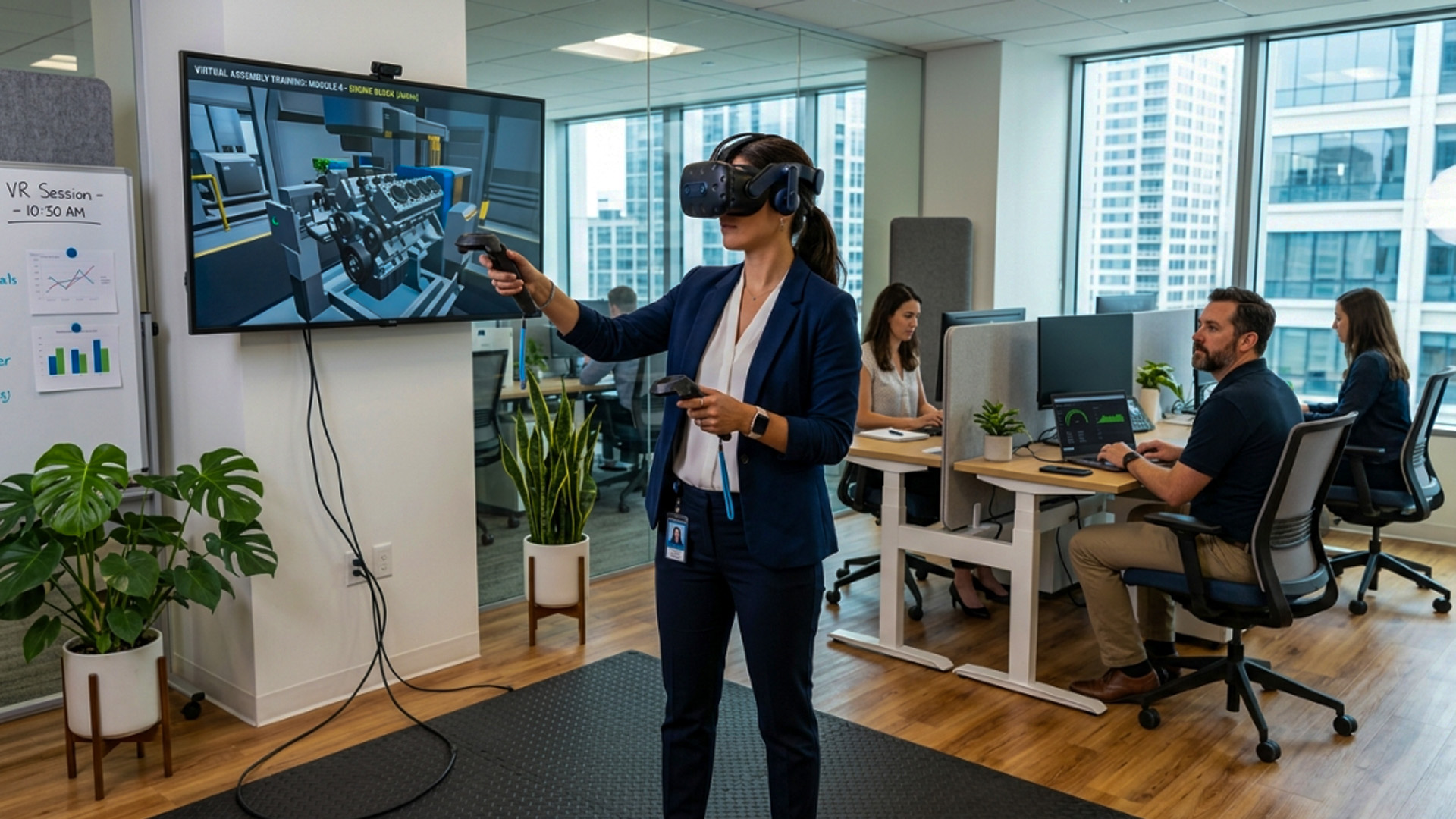
Educational institutions and businesses are increasingly using virtual reality to improve learning outcomes and training efficiency.
Traditional learning methods often rely heavily on reading and observation, but VR introduces experiential learning that allows users to learn through interaction and simulation.
Interactive Learning Environments
VR classrooms and simulations help students understand complex subjects more effectively by visualizing concepts in three-dimensional environments.
Students can:
- Explore historical locations
- Interact with scientific simulations
- Practice technical skills
- Learn anatomy in 3D
- Conduct virtual experiments
- Participate in immersive lessons
These experiences help improve engagement and information retention.
Safer Workplace Training
Many industries use VR for employee training because simulations allow workers to practice real-world scenarios safely.
This is particularly valuable in industries such as:
- Construction
- Healthcare
- Aviation
- Manufacturing
- Mining
- Emergency response
Employees can train in dangerous or high-risk environments without physical danger.
Reduced Training Costs
Virtual simulations reduce the need for physical equipment, travel expenses, and repeated setup costs.
Businesses can train employees more efficiently while maintaining consistent training standards across different locations.
Virtual Reality in Healthcare
Healthcare is another industry experiencing significant transformation through virtual reality technology.
Medical professionals are using VR for treatment, rehabilitation, education, and patient care.
Medical Training Simulations
Doctors and surgeons can use VR simulations to practice medical procedures in controlled digital environments before working with real patients.
These simulations help improve precision, confidence, and skill development.
Pain Management and Therapy
VR is also being used for therapeutic applications, including:
- Anxiety reduction
- Pain distraction therapy
- PTSD treatment
- Rehabilitation exercises
- Exposure therapy
- Stress management
Immersive environments help patients focus attention away from discomfort while supporting mental and physical recovery.
Rehabilitation Programs
Physical rehabilitation programs increasingly incorporate VR exercises that encourage movement through interactive experiences.
Patients often find VR rehabilitation more engaging and motivating compared to traditional therapy methods.
Virtual Reality in Architecture and Real Estate
Architects, property developers, and real estate agencies are using VR to improve design visualization and property marketing.
Instead of relying only on floor plans or static renders, VR allows clients to experience spaces before construction is completed.
Architectural Visualization
Architects can create fully immersive building walkthroughs that help clients understand scale, layout, lighting, and materials more realistically.
This improves communication and reduces misunderstandings during the design process.
Virtual Property Tours
Real estate agencies use VR property tours to showcase homes, apartments, hotels, and commercial spaces remotely.
Potential buyers can explore properties from anywhere in the world without needing to travel physically.
This helps businesses attract international clients and improve marketing efficiency.
Interior Design Planning
Interior designers also use VR to preview furniture placement, color schemes, and room layouts before implementation.
Clients can make informed decisions by experiencing the final design virtually.
Virtual Reality for Business and Marketing
Businesses are increasingly investing in virtual reality to create engaging customer experiences and innovative marketing campaigns.
Immersive technology helps brands stand out in competitive digital markets.
Interactive Product Demonstrations
VR allows businesses to showcase products interactively.
Customers can:
- Explore products in 3D
- Test virtual configurations
- Experience product simulations
- View products at scale
- Interact with virtual environments
This creates more informed purchasing decisions and stronger customer engagement.
Virtual Showrooms
Retail companies and automotive brands use virtual showrooms to display products digitally.
Customers can browse vehicles, furniture, technology products, and retail items from immersive virtual environments.
Enhanced Brand Engagement
Immersive experiences create stronger emotional connections between brands and audiences.
Users are more likely to remember interactive experiences compared to traditional advertising formats.
The Technology Behind Modern VR Systems
Modern virtual reality experiences rely on advanced hardware and software working together seamlessly.
Continuous innovation is making VR more realistic, responsive, and accessible.
VR Headsets
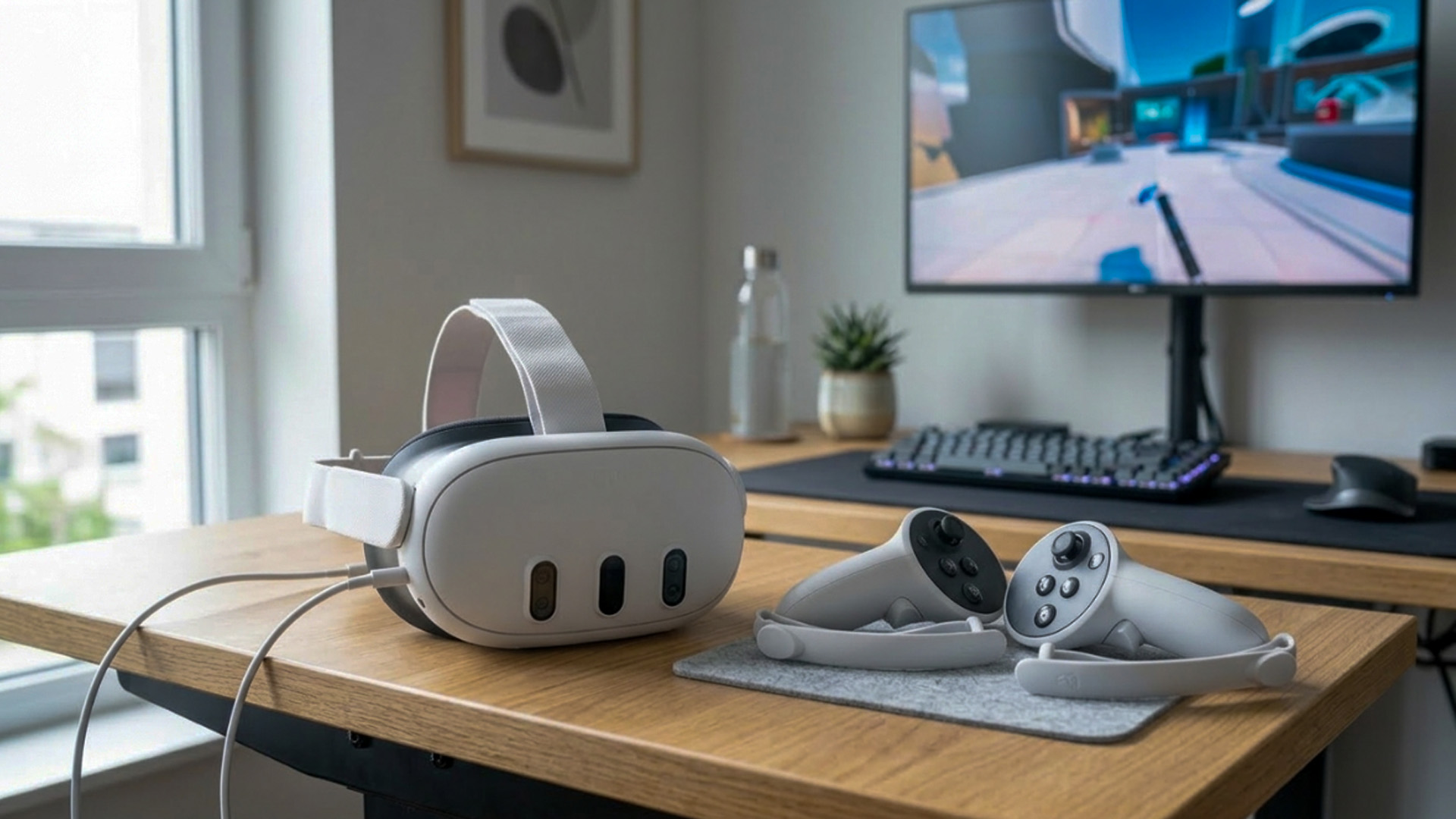
VR headsets contain high-resolution displays positioned close to the user's eyes to create immersive visuals.
Modern headsets now feature:
- Higher resolutions
- Faster refresh rates
- Wider viewing angles
- Improved comfort
- Better motion tracking
- Wireless connectivity
These improvements significantly enhance immersion and usability.
Motion Tracking Systems
Tracking systems monitor head movement, controller position, and sometimes full-body motion.
Accurate tracking is essential for maintaining realism and preventing motion discomfort.
Spatial Audio Technology
Spatial audio creates realistic directional sound that changes based on user movement and positioning.
This adds another layer of immersion by making digital environments feel more believable.
Wireless and Standalone VR
One of the biggest advancements in recent years has been the rise of standalone wireless VR systems.
Earlier VR setups often required expensive gaming computers and external sensors. Modern standalone headsets now provide powerful VR experiences without complicated setups.
Improved Accessibility
Wireless VR systems are easier to use and more accessible to general consumers.
Users can enjoy immersive experiences with minimal technical knowledge or setup requirements.
Greater Freedom of Movement
Removing cables allows users to move naturally without physical restrictions.
This improves comfort, immersion, and safety during extended VR sessions.
Social Virtual Reality Experiences
Social VR platforms are creating new ways for people to communicate and interact digitally.
Users can meet inside virtual environments using customizable avatars and participate in shared experiences.
Virtual Collaboration
Businesses are exploring VR collaboration tools for remote meetings, presentations, and teamwork.
Virtual offices and meeting spaces can create stronger engagement compared to traditional video conferencing.
Digital Communities
Social VR platforms allow users to attend events, play games, collaborate creatively, and socialize inside immersive environments.
These digital communities continue growing as VR adoption increases globally.
The Future of Virtual Reality
Virtual reality technology continues evolving rapidly as hardware becomes more powerful and software experiences become increasingly sophisticated.
Future developments are expected to include:
- More realistic graphics
- Advanced haptic feedback
- Improved eye tracking
- AI-powered interactions
- Mixed reality integration
- Enhanced social experiences
As these technologies mature, VR will continue transforming how people interact with digital content across nearly every industry.
Businesses that adopt immersive technologies early are positioning themselves to lead the next generation of digital experiences.
Author: Elisha Roodt
Sharing the best of Virtual Reality Durban with local VR experiences, events, and immersive tech insights from Durban and KwaZulu-Natal.